
Anúncios
Disasters leave indelible marks on communities, landscapes, and collective memory. Preserving these memories is not merely an act of remembrance—it’s a crucial strategy for building resilience against future catastrophes.
🌍 Why Disaster Memory Matters More Than Ever
In an era of increasing climate volatility and unprecedented natural disasters, the stories of past catastrophes hold invaluable lessons. Communities that actively preserve and share their disaster experiences demonstrate significantly higher preparedness levels and faster recovery times. Research shows that collective memory serves as an informal early warning system, passing down survival strategies through generations.
Anúncios
Disaster memory encompasses oral histories, physical memorials, archival documentation, and digital repositories. Each format plays a distinct role in maintaining cultural continuity while providing practical frameworks for emergency response. When Japan experienced the devastating 2011 tsunami, communities with preserved memories of historical tsunamis had established evacuation routes and cultural practices that saved countless lives.
The challenge lies in ensuring these memories remain accessible and relevant across generations. As survivors age and urban development transforms landscapes, tangible connections to past disasters risk fading into obscurity. This erosion of collective memory leaves communities vulnerable, repeating mistakes that previous generations learned to avoid through painful experience.
Anúncios
📚 Traditional Methods of Preserving Disaster Memories
Throughout history, societies have developed diverse approaches to memorialize catastrophic events. Stone monuments stand as permanent reminders in locations struck by earthquakes, floods, and tsunamis. These physical markers serve dual purposes: honoring victims while warning future inhabitants of potential dangers.
Oral traditions represent perhaps the oldest form of disaster memory preservation. Indigenous communities worldwide have maintained detailed accounts of environmental catastrophes through storytelling, songs, and ceremonial practices. These narratives often contain sophisticated environmental knowledge, including flood patterns, earthquake indicators, and seasonal hazards.
Written archives and historical documents provide detailed accounts of past disasters, including impact assessments, response strategies, and recovery processes. Municipal records, newspaper accounts, and personal diaries create comprehensive pictures of how communities navigated crises. Libraries and museums curate these materials, making them accessible for research and education.
Cultural Practices That Embed Disaster Awareness
Annual commemorations and memorial services keep disaster memories alive in community consciousness. These rituals provide opportunities for intergenerational knowledge transfer, ensuring younger members understand historical risks. In Italy, communities affected by medieval earthquakes still conduct annual processions that reinforce structural safety principles and evacuation procedures.
Educational curricula incorporating local disaster history create informed citizenry. Schools near volcanic regions teach students about eruption patterns using historical case studies. Coastal communities integrate tsunami awareness into standard education, using past events as teaching tools for emergency preparedness.
💻 Digital Revolution in Disaster Memory Conservation
Technology has transformed how we document, preserve, and share disaster memories. Digital archives now store millions of photographs, videos, and testimonials that would have deteriorated in physical formats. Online platforms enable global access to localized disaster experiences, facilitating cross-cultural learning and comparative analysis.
Social media during disasters creates real-time documentation that becomes historical record. The 2010 Haiti earthquake demonstrated how citizen journalism through digital platforms could capture granular details institutional records might miss. These crowdsourced memories provide unprecedented insights into human experiences during catastrophes.
Virtual reality and augmented reality technologies offer immersive experiences of historical disasters. Users can virtually walk through reconstructed disaster zones, experiencing the environment and conditions survivors faced. These technologies create emotional connections that traditional media cannot replicate, making abstract historical events tangibly real.
Building Digital Disaster Memory Banks
Governments and organizations increasingly invest in comprehensive digital repositories. The United States Geological Survey maintains extensive earthquake archives, while UNESCO’s Memory of the World program preserves disaster-related documentary heritage. These centralized resources support research, policy development, and public education initiatives.
Community-driven platforms empower local populations to document their experiences. Residents upload photos, videos, and written accounts, creating grassroots archives that complement official records. This democratization of memory preservation ensures diverse perspectives and experiences receive recognition and protection.
🏗️ Translating Memory Into Resilience Infrastructure
Preserved disaster memories directly inform contemporary planning and infrastructure development. Coastal communities use historical flood data to establish building codes and zoning regulations. Cities prone to wildfires incorporate lessons from past conflagrations into urban design and emergency response protocols.
The Netherlands exemplifies how historical disaster memory shapes national infrastructure. Centuries of flood experiences culminated in sophisticated water management systems. The 1953 North Sea flood, which killed over 2,000 people, prompted the Delta Works project—a monument to both memory and engineering that protects millions today.
Seismic building codes worldwide reflect accumulated knowledge from devastating earthquakes. Japan’s stringent construction standards evolved through analysis of historical earthquake damage patterns. Each major seismic event contributed to refined understanding of structural vulnerabilities and improved mitigation strategies.
Early Warning Systems Rooted in Historical Knowledge
Modern early warning systems integrate historical disaster patterns with real-time monitoring. Meteorological services analyze centuries of weather data to predict storm behaviors. Volcanic observatories reference historical eruption sequences when assessing current activity levels.
Indigenous knowledge systems increasingly complement technological monitoring. Traditional environmental indicators—animal behavior changes, atmospheric conditions, plant patterns—represent generations of observation. Combining these time-tested methods with modern sensors creates more comprehensive warning frameworks.
🎓 Educational Initiatives That Leverage Disaster Memory
Schools in disaster-prone regions incorporate memory-based education into emergency preparedness training. Students study local disaster histories, visit memorial sites, and interview survivors. This experiential learning creates deeper understanding than abstract safety instructions alone could achieve.
Museums dedicated to specific disasters serve as educational hubs. The Kobe Earthquake Memorial Museum in Japan provides detailed documentation of the 1995 disaster while offering practical preparedness training. Visitors leave with both historical understanding and actionable safety knowledge.
University research programs analyze disaster memories to identify patterns and improve response strategies. Scholars examine how communities preserved memories, which methods proved most effective, and how memories influenced subsequent preparedness levels. This academic work informs best practices for memory preservation initiatives.
Intergenerational Knowledge Transfer Programs
Structured programs connecting disaster survivors with younger generations ensure knowledge continuity. Elderly community members share firsthand accounts, providing context and emotional weight that written records cannot convey. These personal connections motivate younger participants to maintain preparedness practices.
Mentorship programs pair experienced emergency responders with trainees, transferring tacit knowledge gained through real disaster experiences. This apprenticeship model preserves operational wisdom that formal training might overlook, creating more capable future responders.
🗺️ Mapping Historical Disasters for Future Planning
Geographic Information Systems (GIS) technology enables sophisticated mapping of historical disaster impacts. Overlaying centuries of flood, earthquake, and storm data reveals patterns invisible in individual event records. Urban planners use these composite maps to identify high-risk zones and prioritize mitigation investments.
Historical disaster maps inform land use decisions, preventing development in repeatedly affected areas. Coastal regions reference tsunami inundation maps from past centuries when establishing construction setbacks. These spatial memories provide concrete guidance for contemporary development challenges.
Interactive digital maps allow public exploration of disaster histories. Residents can visualize how their neighborhoods were affected by historical events, fostering personal connections to community resilience efforts. This transparency builds support for sometimes costly preparedness measures.
🤝 Community-Based Memory Preservation Initiatives
Grassroots organizations often lead the most meaningful memory preservation efforts. Local historical societies collect testimonials, photographs, and artifacts that institutional archives might overlook. These community-driven projects ensure diverse voices and experiences receive documentation and recognition.
Survivor networks maintain collective memories through regular gatherings and shared activities. Hurricane Katrina survivors, for instance, created numerous community groups that preserve experiences while advocating for improved disaster policies. These networks transform individual trauma into collective strength and political influence.
Artistic expressions—murals, sculptures, performances—memorialize disasters in accessible, emotionally resonant formats. Public art installations serve as constant reminders of past events while beautifying recovered communities. These creative approaches reach audiences who might not engage with traditional archival materials.
Youth Engagement in Memory Projects
Involving young people in documentation projects ensures long-term sustainability. Student-led oral history initiatives capture elder testimonials while teaching research and interviewing skills. These projects create personal investments in community resilience that participants carry throughout their lives.
Youth-produced documentaries, podcasts, and social media content make disaster memories accessible in formats appealing to younger audiences. Digital natives excel at creating engaging multimedia presentations that traditional institutions struggle to produce, expanding the reach of memory preservation efforts.
⚖️ Ethical Considerations in Disaster Memory Work
Preserving disaster memories requires sensitivity to trauma and loss. Not all survivors wish to revisit painful experiences, and memory projects must respect individual autonomy. Ethical frameworks ensure documentation efforts support rather than exploit affected communities.
Representation matters profoundly in disaster memory preservation. Marginalized communities often face exclusion from official narratives despite bearing disproportionate impacts. Inclusive memory projects actively seek diverse perspectives, creating more complete and accurate historical records.
Commercialization concerns arise when disaster memories become tourist attractions or entertainment content. Balancing educational value with respectful commemoration requires thoughtful curation. Memorial sites must honor victims and survivors while providing meaningful learning experiences for visitors.
🌐 International Cooperation in Memory Preservation
Disasters transcend national boundaries, making international collaboration essential for comprehensive memory preservation. Global databases compile disaster experiences worldwide, facilitating comparative analysis and cross-cultural learning. Countries facing similar hazards share strategies developed through historical experience.
International organizations like the United Nations Office for Disaster Risk Reduction promote memory preservation as key resilience strategy. Their frameworks encourage member states to integrate historical knowledge into national disaster risk reduction policies, creating standardized approaches while respecting local contexts.
Cross-border disaster experiences, such as tsunamis affecting multiple nations, require coordinated memory preservation. Regional cooperation ensures all affected communities contribute to collective understanding, preventing fragmented narratives that might obscure important lessons.
🔮 Future Directions in Disaster Memory Science
Emerging technologies promise revolutionary approaches to memory preservation. Artificial intelligence can analyze vast archives, identifying patterns humans might miss. Machine learning algorithms detect correlations between historical conditions and disaster outcomes, improving predictive capabilities.
Blockchain technology offers tamper-proof archival systems, ensuring disaster records remain authentic and accessible indefinitely. Decentralized storage prevents loss through single-point failures, protecting memories against future disasters that might destroy centralized facilities.
Neuroscience research exploring how traumatic memories form and persist could inform more effective preservation strategies. Understanding memory consolidation processes might reveal optimal timing and methods for documentation efforts, maximizing retention while minimizing retraumatization.
🌟 Building Tomorrow’s Resilience Through Yesterday’s Lessons
The fundamental relationship between memory and resilience becomes increasingly clear as disaster frequency and intensity escalate. Communities that actively preserve and engage with disaster histories demonstrate measurably better preparedness, response efficiency, and recovery outcomes. These successes validate memory preservation as practical investment rather than merely symbolic gesture.
Integrating disaster memory into everyday life normalizes preparedness without inducing paralyzing fear. When communities regularly engage with historical experiences through education, commemoration, and planning, emergency readiness becomes cultural norm rather than exceptional effort. This sustained awareness translates to automatic protective behaviors during actual emergencies.
The most resilient communities view disaster memory as living resource requiring continuous cultivation. Static monuments and forgotten archives provide limited value compared to actively maintained, regularly consulted memory systems. Dynamic engagement ensures each generation reinterprets historical lessons through contemporary contexts, maintaining relevance across changing circumstances.
Collaborative approaches that combine traditional knowledge with modern technology create robust memory systems. Neither ancient wisdom nor cutting-edge innovation alone suffices—their synthesis produces comprehensive frameworks that honor the past while serving the future. This balanced approach respects cultural heritage while embracing beneficial advancements.
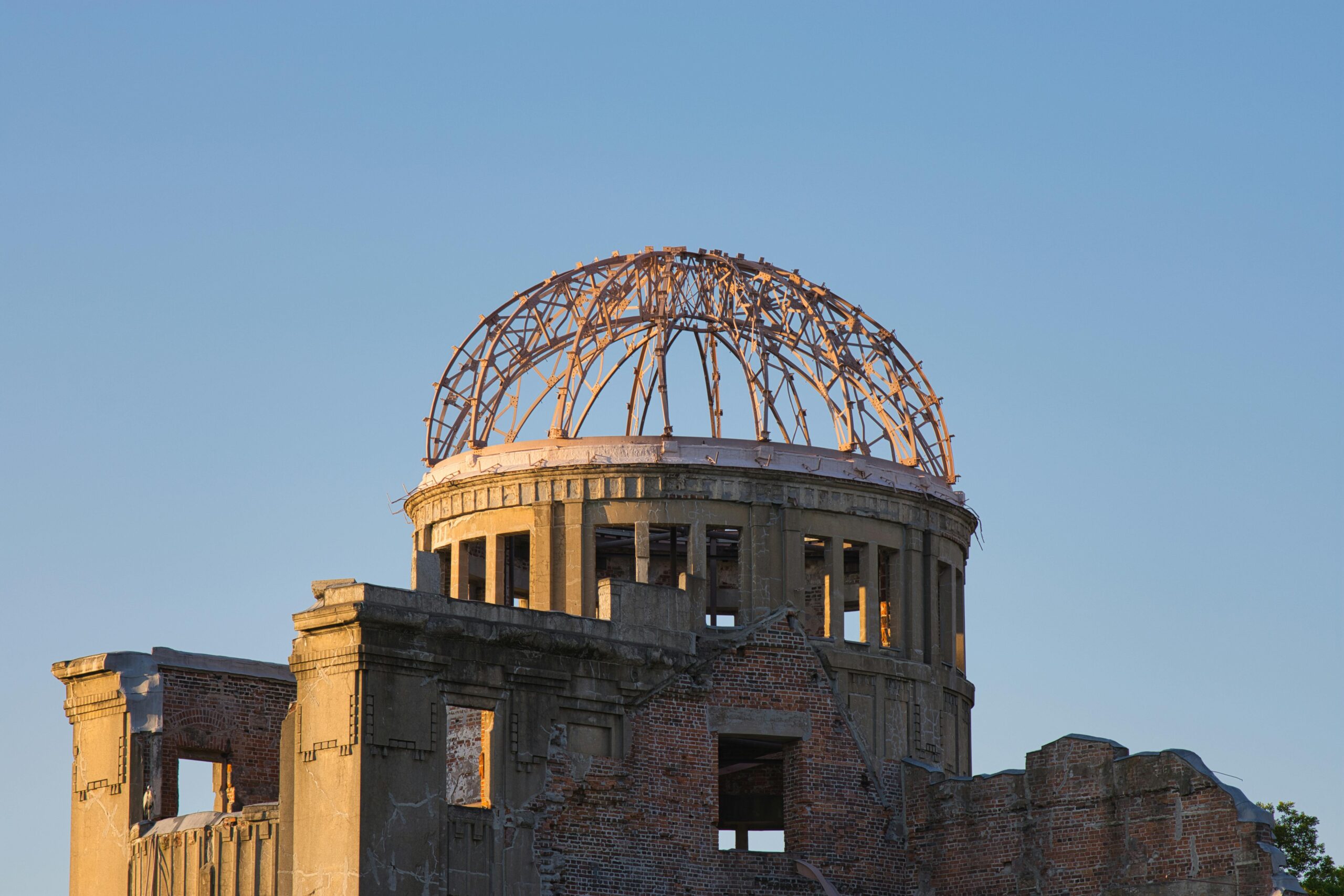
Ultimately, preserving disaster memories represents profound act of hope and responsibility. By documenting past suffering and survival, we acknowledge both human vulnerability and remarkable capacity for resilience. These preserved memories become gifts to future generations—cautionary tales, practical guides, and inspirational examples demonstrating that communities can endure, rebuild, and thrive even after devastating catastrophes.
As climate change and urbanization increase disaster risks globally, the imperative to preserve and learn from disaster memories intensifies. Every preserved testimony, documented recovery process, and commemorated loss contributes to collective knowledge that might save lives and communities decades or centuries hence. In this sense, memory preservation is not passive retrospection but active investment in survival and flourishing.
