
Anúncios
Long-term preventive knowledge empowers you to build a resilient lifestyle that protects your health, sharpens your mind, and prepares you for future challenges with confidence.
🌱 Why Preventive Knowledge Is Your Greatest Asset
In a world where reactive solutions dominate our approach to health and wellness, preventive knowledge stands as a beacon of wisdom. This isn’t about quick fixes or temporary solutions—it’s about understanding the fundamental principles that keep your body, mind, and life trajectory moving in the right direction for decades to come.
Anúncios
Preventive knowledge encompasses everything from understanding how nutrition affects your cellular health to recognizing early warning signs of mental burnout. It’s the difference between addressing a problem when it becomes critical versus never allowing it to develop in the first place. This proactive approach doesn’t just save you from future suffering—it compounds positively over time, creating a foundation of wellness that grows stronger with each passing year.
The most successful people throughout history have understood this principle intuitively. They invested in their health when they felt fine, educated themselves before crises emerged, and built systems that prevented problems rather than just solving them. This same principle applies whether you’re twenty-five or sixty-five—it’s never too early or too late to start building your preventive knowledge base.
Anúncios
🧠 Building Your Cognitive Defense System
Your brain is perhaps the most valuable asset you possess, yet most people take better care of their smartphones than their cognitive health. Long-term brain health requires understanding neuroplasticity, the formation of healthy habits, and the environmental factors that either enhance or diminish mental capacity over time.
Research consistently shows that cognitive decline isn’t inevitable—it’s largely preventable. Learning new skills, maintaining social connections, managing stress effectively, and challenging your brain with novel experiences all contribute to cognitive reserve. This reserve acts as a buffer against age-related decline and even degenerative conditions.
One of the most powerful preventive strategies involves continuous learning. When you engage in deliberate learning—whether it’s a new language, musical instrument, or complex skill—you’re essentially performing preventive maintenance on your neural pathways. This doesn’t mean you need to become an expert in everything; rather, the process of learning itself provides the protective benefits.
Mental Fitness Through Daily Practices
Establishing daily cognitive practices creates a compound effect over years and decades. These practices don’t need to be time-consuming or complicated. Even fifteen minutes of focused mental exercise can provide significant long-term benefits when practiced consistently.
Consider incorporating activities like reading challenging material, solving puzzles, engaging in strategic games, or learning facts about subjects outside your expertise. The key is consistency and genuine cognitive engagement—passive consumption of entertainment doesn’t provide the same protective benefits as active mental challenge.
Memory techniques and mindfulness practices also contribute significantly to long-term cognitive health. These skills improve not just recall but also attention, emotional regulation, and decision-making capacity—all of which tend to improve your quality of life across multiple domains.
💪 The Foundation of Physical Longevity
Physical health knowledge extends far beyond knowing you should eat vegetables and exercise. True preventive knowledge means understanding the mechanisms behind aging, inflammation, metabolic health, and how your daily choices either accelerate or slow these processes.
Movement is medicine, but not all movement provides equal preventive benefits. Understanding the difference between cardiovascular health, muscular strength, flexibility, and balance allows you to create a comprehensive approach that addresses all aspects of physical fitness. Each component plays a unique role in preventing different age-related conditions.
Strength training, for example, isn’t just about appearance—it’s one of the most powerful preventive interventions against osteoporosis, sarcopenia, metabolic syndrome, and functional decline. Similarly, flexibility and balance work prevent falls and maintain independence in later years, while cardiovascular fitness protects your heart, brain, and entire circulatory system.
Nutrition as Preventive Medicine
What you eat today influences your health decades from now. Understanding nutrition at a deeper level—beyond calories and macronutrients—empowers you to make choices that reduce inflammation, support cellular repair, and optimize metabolic function.
Anti-inflammatory eating patterns, adequate protein intake, micronutrient density, and fiber consumption all play critical roles in disease prevention. The Mediterranean diet, for instance, has demonstrated remarkable protective effects against cardiovascular disease, cognitive decline, and numerous chronic conditions—not because of any single “superfood” but because of the overall pattern of nutrient-dense, minimally processed foods.
Equally important is understanding what to avoid or minimize. Ultra-processed foods, excessive sugar, trans fats, and chronic alcohol consumption all accelerate aging processes and increase disease risk. This knowledge allows you to make informed choices rather than following fad diets that promise quick results but ignore long-term consequences.
🛡️ Building Emotional and Psychological Resilience
Mental health knowledge is perhaps the most overlooked aspect of preventive care, yet it may be the most impactful. Understanding stress physiology, emotional regulation, trauma responses, and relationship dynamics provides you with tools to prevent mental health crises before they develop.
Stress isn’t inherently harmful—chronic, unmanaged stress is the problem. Learning to recognize your stress signals, implement recovery practices, and maintain healthy boundaries protects your nervous system from the cumulative damage of prolonged activation. This knowledge translates into better sleep, improved immune function, and reduced risk of both physical and mental health conditions.
Emotional intelligence and self-awareness also serve as powerful preventive tools. When you understand your emotional patterns, triggers, and needs, you can create environments and relationships that support rather than undermine your wellbeing. This prevents the accumulation of unresolved emotional issues that often manifest as anxiety, depression, or relationship dysfunction later in life.
The Power of Social Connection
Loneliness and social isolation are now recognized as significant risk factors for premature mortality—comparable to smoking or obesity. Building and maintaining meaningful social connections isn’t just pleasant; it’s essential preventive medicine for both mental and physical health.
Quality relationships provide emotional support, accountability, purpose, and cognitive stimulation. They buffer against stress, reduce inflammation, and even improve immune function. Investing time and energy into cultivating genuine connections pays dividends throughout your entire life span.
This doesn’t mean you need an enormous social circle. Research suggests that a few deep, authentic relationships provide more protective benefits than numerous superficial connections. The key is reciprocity, trust, and regular meaningful interaction.
📚 Creating Your Personal Knowledge System
Information without organization becomes overwhelming rather than empowering. Creating a personal system for acquiring, organizing, and applying preventive knowledge ensures that what you learn actually translates into behavioral change and long-term benefits.
Start by identifying your specific risk factors and areas of concern. Family health history, current lifestyle patterns, and environmental factors all provide clues about where to focus your preventive efforts. Someone with a family history of cardiovascular disease might prioritize heart health knowledge, while someone experiencing chronic stress might focus on nervous system regulation.
Develop reliable information sources. Not all health information is created equal, and the internet is filled with both valuable insights and dangerous misinformation. Learning to evaluate sources, understand research limitations, and distinguish between evidence-based recommendations and marketing claims is an essential skill in itself.
Tracking and Adapting Your Approach
What gets measured gets managed. Tracking relevant health metrics—whether it’s sleep quality, energy levels, strength gains, or emotional patterns—provides feedback on whether your preventive strategies are working. This data-driven approach allows you to refine your methods over time rather than blindly following generic advice.
Health tracking apps can make this process easier and more consistent. Applications that monitor activity, sleep, nutrition, or mental health patterns help you identify trends and make informed adjustments. The key is choosing metrics that actually matter to your specific goals rather than becoming obsessed with numbers for their own sake.

Remember that preventive knowledge should evolve as you do. What works in your twenties may need adjustment in your forties or sixties. Regular reassessment ensures your approach remains relevant and effective as your body, circumstances, and scientific understanding change over time.
🔬 Understanding Your Biological Individuality
Generic health advice provides a starting point, but true preventive power comes from understanding your unique biological makeup. Factors like genetics, microbiome composition, stress response patterns, and metabolic characteristics all influence which interventions will be most effective for you specifically.
While comprehensive genetic testing isn’t necessary for everyone, understanding basic principles of personalization makes your preventive efforts more efficient. Some people thrive on high-intensity exercise while others need gentler approaches. Some require more protein, others more carbohydrates. Learning to listen to your body’s signals and adjust accordingly is a critical skill.
This individualized approach extends to sleep needs, social requirements, stress tolerance, and recovery capacity. The person who needs nine hours of sleep isn’t lazy—they’re honoring their biological needs. The introvert who requires alone time isn’t antisocial—they’re maintaining their mental health. Understanding and respecting these individual differences prevents you from forcing yourself into patterns that ultimately undermine your wellbeing.
⏰ The Compound Effect of Small Consistent Actions
Perhaps the most important principle of preventive knowledge is understanding compound effects. Small actions repeated consistently over time produce exponentially greater results than sporadic intense efforts. This applies to every aspect of health and resilience.
A daily fifteen-minute walk may seem insignificant compared to an occasional marathon, but over years and decades, that consistent gentle movement provides superior health benefits with lower injury risk. Similarly, reading ten pages daily creates more learning and cognitive benefit than occasional weekend book binges. The key is sustainability and consistency.
This principle also applies to avoiding harmful behaviors. One cigarette won’t cause cancer, but twenty years of daily smoking almost certainly will. One sleepless night won’t destroy your health, but chronic sleep deprivation creates cumulative damage. Understanding these compound effects helps you appreciate why your daily choices matter more than you might think.
Building Systems Over Relying on Willpower
Willpower is finite and unreliable. Systems and habits, however, run on autopilot and don’t require constant decision-making. Investing time in building healthy systems—meal preparation routines, exercise schedules, sleep hygiene practices—creates preventive benefits that compound over time without depleting your mental energy.
Environmental design plays a crucial role here. Making healthy choices the default option rather than requiring constant effort dramatically increases adherence. Keep exercise equipment visible, stock your kitchen with nutritious foods, schedule social activities in advance, and create evening routines that promote quality sleep. These environmental modifications reduce friction for positive behaviors while increasing it for negative ones.
🌍 Expanding Beyond Individual Health
True resilience extends beyond personal health to include financial literacy, relationship skills, environmental awareness, and adaptability. A comprehensive preventive knowledge approach recognizes that these domains interconnect and influence each other.
Financial stress undermines physical and mental health. Poor relationship skills create chronic emotional distress. Environmental toxins accumulate and damage biological systems. Understanding these connections allows you to address root causes rather than just symptoms, creating a more holistic and effective preventive strategy.
Learning basic financial principles prevents the stress and health consequences of economic instability. Developing communication and conflict resolution skills prevents relationship deterioration. Understanding environmental health helps you minimize exposure to pollutants and toxins. Each of these knowledge domains contributes to your overall resilience and longevity.
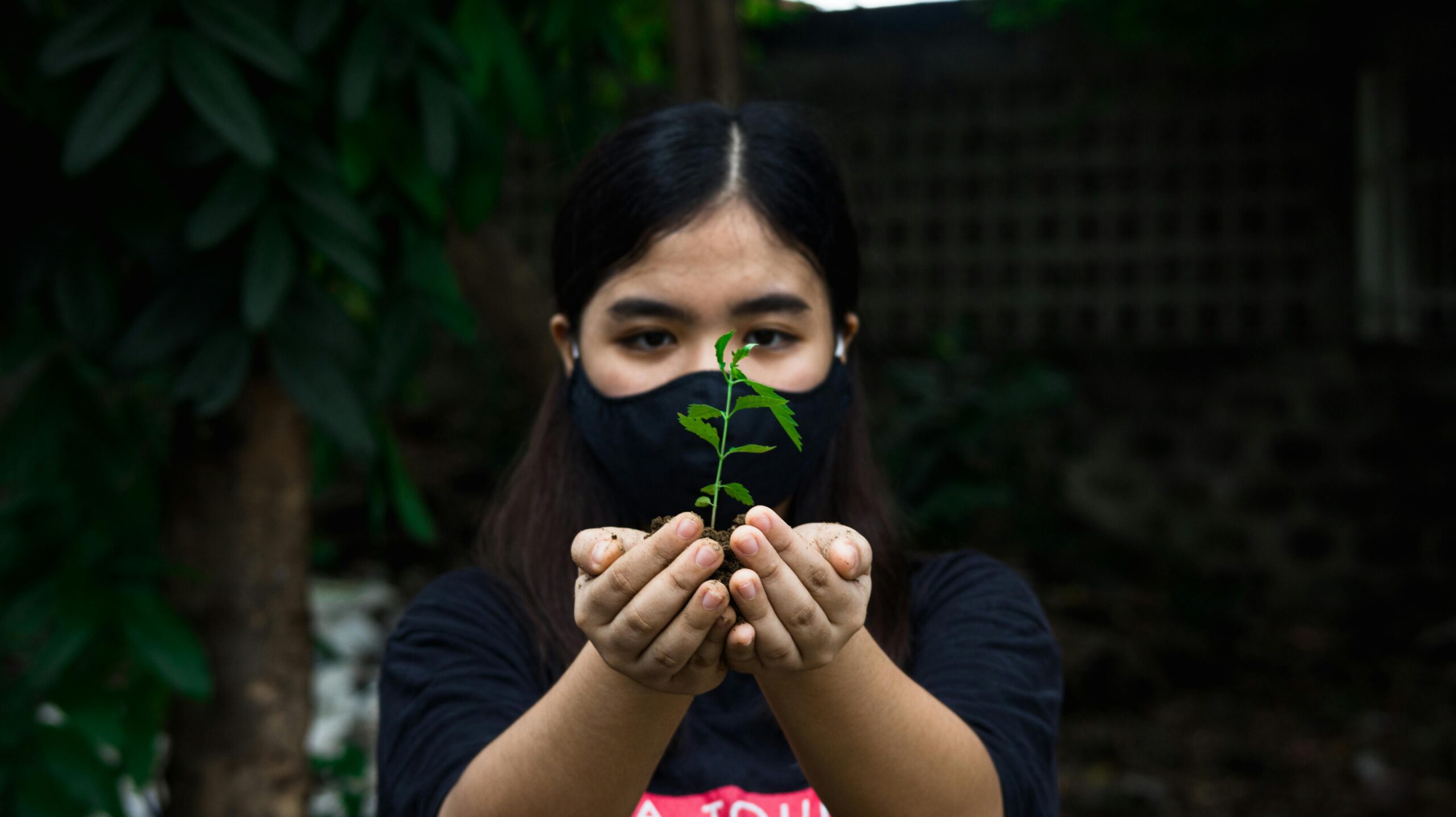
🎯 Taking Action on Your Preventive Journey
Knowledge without action remains theoretical. The final step in mastering preventive knowledge is implementation—translating what you learn into concrete behavioral changes that produce real results in your life.
Start small and specific. Rather than trying to overhaul your entire life simultaneously, choose one area where preventive knowledge can make an immediate impact. Maybe it’s establishing a consistent sleep schedule, adding strength training twice weekly, or implementing a daily stress management practice. Master that foundation before expanding to additional areas.
Track your progress and celebrate small wins. Preventive efforts often lack immediate dramatic results—the benefit is what doesn’t happen years from now. Creating short-term markers of progress helps maintain motivation during this long-term investment. Improved energy, better mood, increased strength, or enhanced focus all signal that your efforts are working even before major health markers change.
Connect with others on similar journeys. Whether through online communities, local groups, or accountability partners, social support makes preventive behaviors more sustainable and enjoyable. Sharing knowledge, experiences, and encouragement creates a positive feedback loop that reinforces your commitment to long-term health and resilience.
Remember that perfection isn’t the goal—consistent progress is. You’ll have setbacks, challenges, and periods where maintaining preventive behaviors feels difficult. That’s normal and expected. What matters is your overall trajectory over months and years, not your performance on any single day. Self-compassion and flexibility make your preventive approach sustainable for the long haul.
The journey of mastering preventive knowledge is itself a form of preventive medicine. The curiosity, learning, and self-awareness you develop along the way contribute to cognitive health, emotional resilience, and overall life satisfaction. You’re not just preventing disease—you’re actively building a richer, more capable, more resilient version of yourself that will serve you well for decades to come. Your future self will thank you for the investment you make today in knowledge, habits, and systems that compound into extraordinary long-term benefits.
