
Anúncios
Cultural memory shapes how communities respond to hardship, embedding past experiences of scarcity into collective consciousness and influencing resilience across generations.
Throughout human history, periods of extreme scarcity—famines, wars, economic collapse, environmental disasters—have left indelible marks on the societies that endured them. These traumatic episodes don’t simply fade with time; they become woven into the cultural fabric, transmitted through stories, traditions, behaviors, and even biological markers. The echoes of scarcity reverberate through generations, fundamentally altering how communities understand themselves, approach challenges, and ensure their survival in an uncertain world.
Anúncios
Understanding this phenomenon requires exploring the intricate relationship between collective memory and adaptive behavior. When societies face existential threats, they develop coping mechanisms that extend far beyond the immediate crisis. These responses become institutionalized in cultural practices, religious observances, dietary habits, economic philosophies, and social structures that persist long after the original threat has disappeared.
🧬 The Biological Imprint of Hardship
Recent research in epigenetics has revealed that experiences of scarcity can literally alter gene expression, with these changes potentially passing to subsequent generations. Studies of descendants of Holocaust survivors and survivors of the Dutch Hunger Winter of 1944-1945 have demonstrated measurable biological differences in stress response, metabolism, and mental health patterns compared to control populations.
Anúncios
This biological dimension of cultural memory suggests that the impact of scarcity operates on multiple levels simultaneously. When a grandmother who survived famine insists on storing extra food or becomes anxious about waste, she may be responding not just to remembered experiences but to biological signals embedded in her physiology.
The metabolic thrift hypothesis proposes that bodies adapt to periods of scarcity by becoming more efficient at storing energy, a useful adaptation during famine but potentially problematic in environments of abundance. This creates a fascinating paradox where yesterday’s survival mechanism becomes today’s health challenge, particularly in communities that have rapidly transitioned from scarcity to relative prosperity.
📚 Stories That Sustain: Narrative Transmission of Survival Knowledge
Every culture possesses origin stories that encode crucial survival information. These narratives often feature periods of deprivation, exodus, or struggle that define the community’s identity. The Jewish Passover commemoration, the Irish remembrance of the Great Famine, or the Native American accounts of forced relocations all serve similar functions—they preserve not just historical facts but survival wisdom.
These stories create what psychologists call “narrative templates” that help individuals make sense of current challenges by connecting them to ancestral experiences. When contemporary difficulties arise, people unconsciously reach for these templates, finding meaning and guidance in the struggles of previous generations.
The power of these narratives lies in their emotional resonance and practical instruction. They teach children what dangers to watch for, which behaviors ensure survival, and how to maintain hope during difficult times. A story about ancestors enduring winter hardship isn’t merely entertainment—it’s a survival manual encoded in memorable form.
The Double-Edged Nature of Survival Stories
While cultural narratives about scarcity can foster resilience, they can also perpetuate anxiety and maladaptive behaviors when circumstances change. Communities may continue preparing for threats that no longer exist, directing resources toward problems that have been solved while missing emerging challenges.
This phenomenon explains why some immigrant communities maintain extremely conservative financial practices generations after achieving economic security, or why certain groups exhibit heightened vigilance about food security despite living in abundance. The cultural memory of scarcity creates a psychological baseline that’s difficult to reset.
🏛️ Institutional Memory: How Organizations Remember Hardship
Cultural memory doesn’t exist only in individual minds or family traditions—it becomes embedded in institutions, laws, and social structures. Many contemporary economic policies, welfare systems, and agricultural practices originated as responses to historical scarcity events.
The United States’ Social Security system emerged from the Great Depression, forever changing expectations about government responsibility for citizen welfare. Strategic grain reserves maintained by numerous governments reflect memories of past famines. These institutional responses represent collective commitments to preventing the recurrence of historical traumas.
Organizations develop their own forms of cultural memory through established procedures, risk management frameworks, and decision-making protocols. A company that survived a near-bankruptcy might institutionalize conservative financial practices that shape its culture for decades, even after achieving market dominance.
💪 Resilience Forged in Adversity: The Strength Paradox
One of the most intriguing aspects of cultural memory is its role in building collective resilience. Communities that have endured significant hardship often develop remarkable adaptive capacities, social cohesion, and psychological resilience that serve them well during subsequent challenges.
Research on post-traumatic growth at the collective level suggests that societies can emerge from adversity with enhanced capabilities. The experience of overcoming scarcity can foster creativity, cooperation, and problem-solving skills that become cultural assets. Jewish, Armenian, and Chinese diaspora communities, for example, have demonstrated exceptional entrepreneurial success, partly attributed to resilience developed through historical persecution and displacement.
This creates what might be called the “strength paradox”—the most capable communities are often those that have suffered most severely. Their cultural memory includes not just trauma but also the knowledge that they survived, creating a foundation of confidence for facing future challenges.
When Resilience Becomes Rigidity
The flip side of resilience is the potential for cultural memory to create inflexibility. Strategies that worked during past scarcity may be counterproductive in changed circumstances. Communities might resist beneficial innovations because they conflict with survival wisdom inherited from previous generations.
Agricultural communities that developed complex rituals and taboos around food production during periods of environmental stress may maintain these practices even when modern agricultural science offers more efficient alternatives. The cultural memory of what happened when traditional practices were abandoned can be powerful enough to override empirical evidence supporting change.
🎭 Identity Forged in Fire: How Scarcity Shapes Collective Self-Understanding
Perhaps nowhere is the impact of cultural memory more profound than in its role shaping collective identity. Groups often define themselves fundamentally through their experiences of adversity and survival. “We are the people who endured X” becomes a core element of self-understanding that influences everything from political attitudes to aesthetic preferences.
The Irish identity has been deeply shaped by the Great Famine and subsequent emigration, influencing Irish literature, politics, and even contemporary attitudes toward immigration and international development. Similarly, the African American experience of slavery and its aftermath forms a central element of cultural identity that influences contemporary social movements and cultural expression.
This identity formation through adversity creates strong in-group bonds and cultural cohesion, but it can also establish rigid boundaries between groups and perpetuate historical grievances. When identity is built on past suffering, there can be psychological resistance to reconciliation or acknowledgment of changed circumstances, as these might threaten the coherence of collective self-understanding.
🌍 Geographic and Environmental Echoes
Cultural memory of scarcity is often tied to specific environmental conditions and geographic contexts. Societies that developed in harsh environments—deserts, arctic regions, mountainous terrain—carry cultural memories of the constant negotiation with nature’s limitations.
These environmental memories influence contemporary behavior in subtle ways. Desert cultures often maintain elaborate water conservation practices and hospitality traditions that originated from survival necessities. Coastal communities that have experienced devastating storms maintain building traditions and settlement patterns designed to minimize vulnerability, even when modern technology offers alternative approaches.
Climate change is now creating new scarcity experiences that will become future cultural memories. Communities experiencing unprecedented droughts, floods, or temperature extremes are developing new adaptation strategies that will likely be transmitted to future generations as cultural wisdom.
🔄 Intergenerational Transmission: How Memory Travels Through Time
The mechanisms through which cultural memory passes between generations are complex and multifaceted. Direct storytelling represents just one pathway. Subtle behavioral modeling, emotional responses to specific situations, and unconscious assumptions about how the world works all serve as transmission vectors.
Children absorb their community’s scarcity memories through hundreds of small interactions—the anxiety in a parent’s voice when food is wasted, the pride associated with self-sufficiency, the suspicion of external authorities who might threaten community resources. These lessons are often more powerful than explicit instruction because they’re integrated into the emotional and behavioral fabric of daily life.
Disruptions in intergenerational transmission—through migration, rapid cultural change, or deliberate efforts to break with the past—can create identity confusion and psychological challenges. Younger generations may struggle to understand behaviors and attitudes of elders that reflect scarcity experiences they haven’t shared.
The Role of Ritual and Tradition
Religious and cultural rituals serve as particularly powerful vehicles for transmitting scarcity memories. Fasting traditions, harvest festivals, and commemorative observances create embodied experiences that connect participants with ancestral hardships in visceral ways.
When Jewish families conduct Passover seders, they’re not simply remembering historical events—they’re physically experiencing aspects of their ancestors’ journey from slavery to freedom, tasting bitter herbs symbolizing suffering, eating unleavened bread representing hasty departure. These multi-sensory experiences create memory connections that transcend intellectual understanding.
🌟 Adaptive Wisdom in Modern Contexts
As we face contemporary global challenges—climate change, economic inequality, resource depletion, pandemic threats—the cultural memory of how previous generations handled scarcity offers both warnings and wisdom. Understanding how communities have adapted to and recovered from existential threats provides valuable insights for current crisis management.
The COVID-19 pandemic triggered cultural memories of previous disease outbreaks in many communities, influencing compliance with public health measures. Societies that maintained strong cultural memories of past pandemics often responded more effectively to contemporary challenges, demonstrating the practical value of collective memory.
However, we must also recognize when past strategies don’t fit present circumstances. The scale and nature of contemporary challenges often exceed anything in historical memory. Climate change represents a threat qualitatively different from localized environmental challenges our ancestors faced. Applying old solutions to fundamentally new problems can be counterproductive.
🔮 Reimagining Scarcity Memory for Future Flourishing
The challenge facing contemporary societies is how to honor the wisdom embedded in cultural memories of scarcity while avoiding the limitations of outdated survival strategies. This requires conscious reflection on which inherited responses remain valuable and which need updating for changed circumstances.
Communities can benefit from explicitly examining their scarcity narratives, asking which elements foster healthy resilience and which perpetuate unnecessary anxiety or maladaptive behavior. This doesn’t mean abandoning cultural memory but rather engaging with it critically and creatively.
Some communities are developing new rituals and practices that acknowledge historical hardships while emphasizing post-traumatic growth and future possibilities. These approaches honor ancestors’ struggles while releasing descendant generations from the obligation to perpetually relive ancestral traumas.
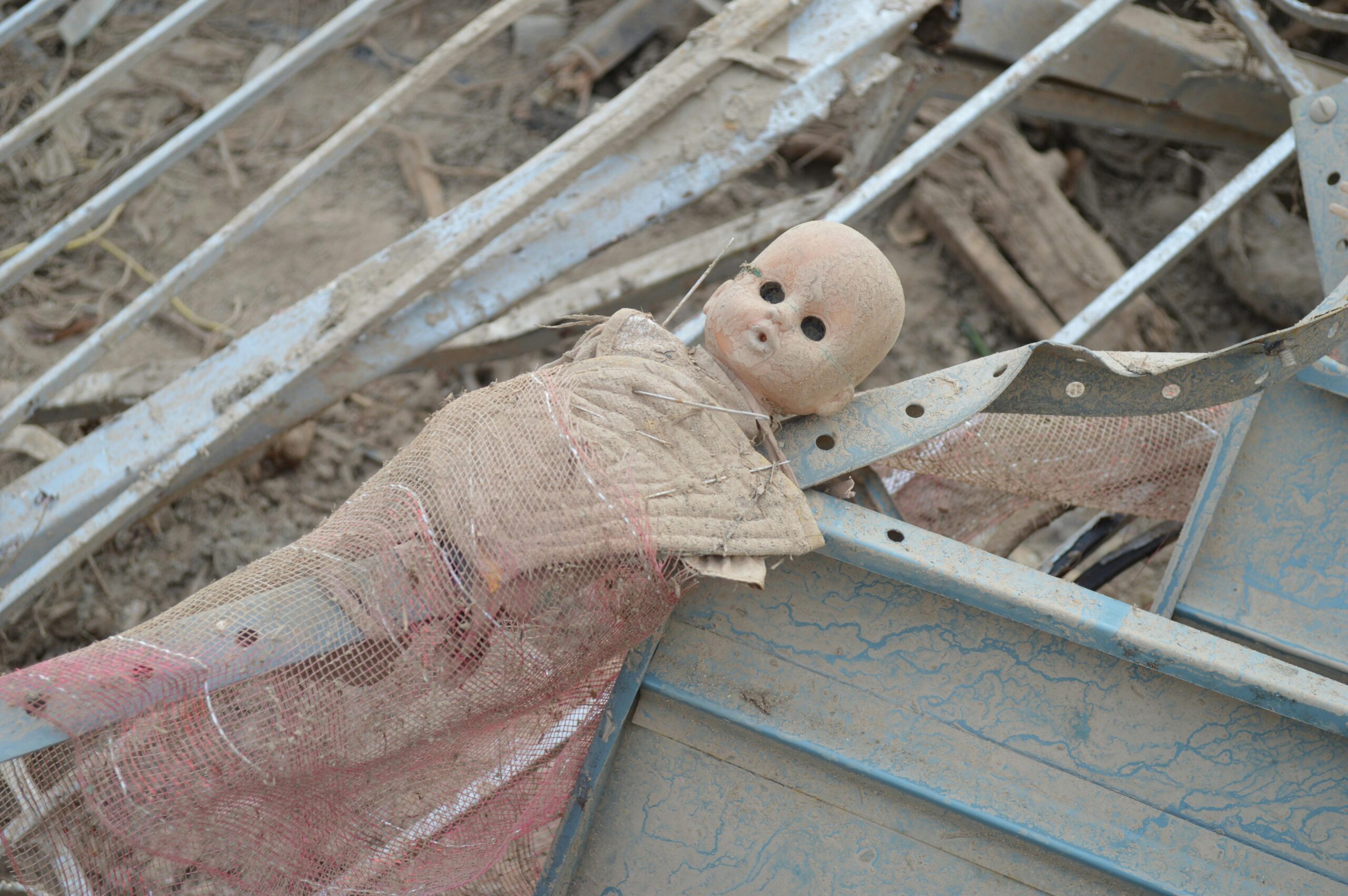
🤝 Building Bridges Through Shared Memory
Interestingly, cultural memories of scarcity can serve as connection points between different communities. The universality of human struggle with resource limitations creates common ground across cultural boundaries. When people from different backgrounds share stories of how their ancestors survived hardship, they often discover surprising commonalities in values, strategies, and emotional responses.
This recognition of shared experience can foster empathy and cooperation. Understanding that another community’s seemingly strange behaviors reflect adaptive responses to historical scarcity can transform judgment into respect. International development work becomes more effective when it recognizes and builds upon existing cultural wisdom about managing scarcity rather than imposing external solutions.
The echoes of scarcity that reverberate through cultural memory represent one of humanity’s most powerful adaptive mechanisms. These collective memories shape resilience, forge identity, and ensure survival by encoding hard-won wisdom into cultural DNA. They remind us that we are not isolated individuals facing challenges alone but rather part of long chains of survivors who have faced and overcome adversity.
Yet we must engage with these memories consciously and critically, recognizing both their value and their limitations. As we confront unprecedented global challenges, we need the resilience and survival wisdom that cultural memory provides, but we also need the flexibility to adapt inherited strategies to new circumstances. The goal is not to escape our cultural memories of scarcity but to harness them wisely—honoring the struggles of those who came before while building toward a more secure and flourishing future for those who will come after. In this way, the echoes of scarcity become not burdens to carry but foundations upon which to build, transforming past adversity into present strength and future hope. 🌱
