Anúncios
Managing blood sugar levels is essential for people with diabetes and those at risk. Modern glucose tracking apps make monitoring easier, faster, and more accurate than ever before.
Understanding your glucose levels doesn’t have to be complicated or stressful. With the right tools and knowledge, you can take control of your health journey. Technology has transformed how we approach diabetes management, putting powerful monitoring capabilities right in your pocket.
Anúncios
Whether you’re newly diagnosed, managing long-term diabetes, or simply want to track your blood sugar for preventive health reasons, glucose monitoring apps offer convenience, accuracy, and insights that were once only available through frequent doctor visits. Let’s explore how these innovative tools work and why they’ve become indispensable for millions worldwide. 📱
Why Blood Sugar Monitoring Matters for Your Health

Blood glucose levels directly impact your energy, mood, cognitive function, and long-term health. When these levels swing too high or too low, your body sends warning signals that shouldn’t be ignored. Consistently elevated glucose can lead to serious complications including heart disease, kidney damage, vision problems, and nerve damage.
Anúncios
Regular monitoring helps you understand how food, exercise, stress, and medication affect your blood sugar. This knowledge empowers you to make informed decisions throughout the day. Instead of guessing, you’ll know exactly what’s happening inside your body.
For people with Type 1 diabetes, monitoring is absolutely critical since the body produces no insulin. Type 2 diabetes patients benefit equally, as tracking helps prevent progression and manage the condition effectively. Even those without diabetes can gain valuable insights into their metabolic health and prevent future problems.
The Traditional vs. Modern Approach to Glucose Tracking
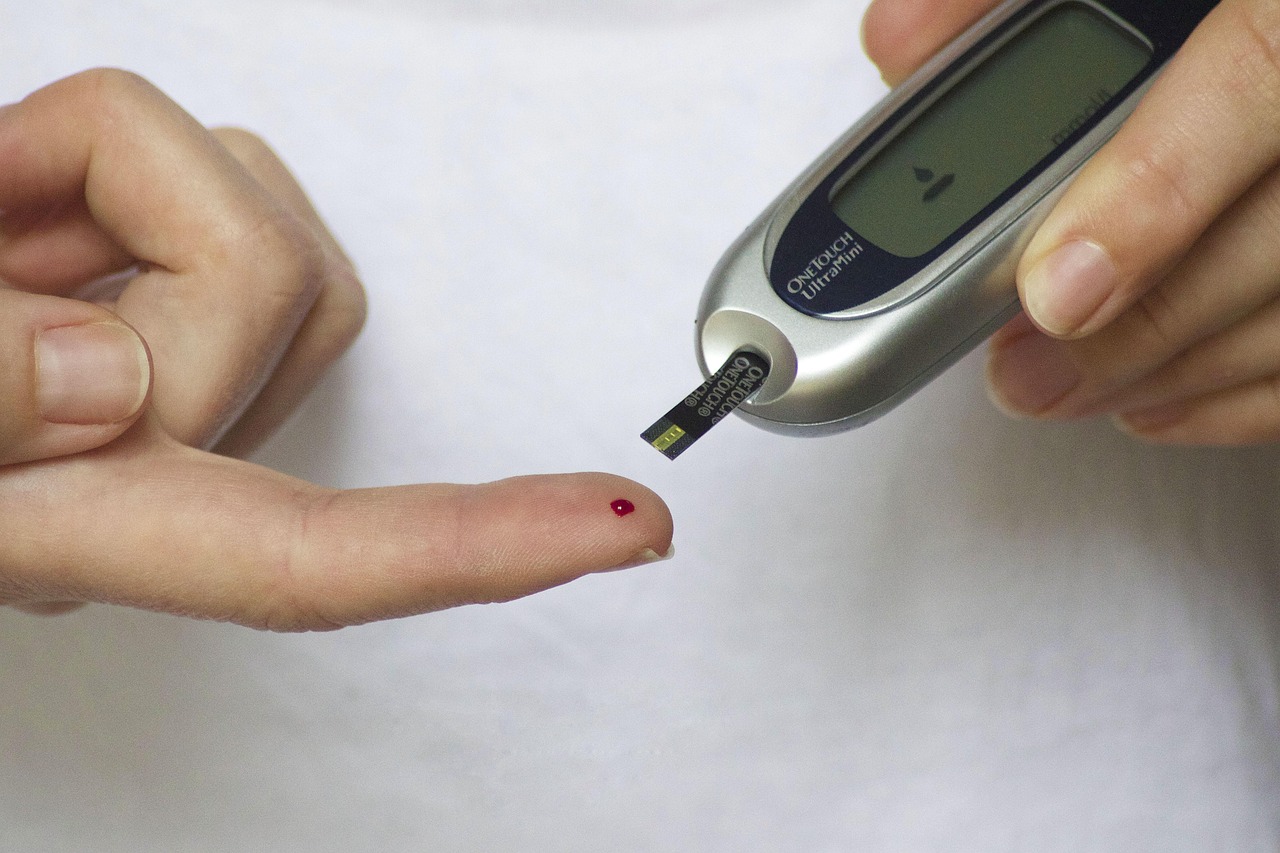
Traditional blood sugar monitoring involved pricking your finger multiple times daily, using test strips, and manually recording results in paper logs. This process was painful, inconvenient, and often led to incomplete data collection. Many people simply stopped tracking because it felt overwhelming.
Modern glucose apps have revolutionized this experience. They connect with digital glucometers or continuous glucose monitors (CGMs), automatically logging your readings. The data syncs instantly to your smartphone, creating comprehensive records without any manual effort. Some advanced apps even work with non-invasive monitoring technology, though traditional finger pricks remain the gold standard for accuracy.
How Glucose Monitoring Apps Actually Work 🔍
Most glucose tracking apps function through a combination of manual input and device integration. When you take a blood sugar reading using a glucometer, the app records the value along with the date and time. More sophisticated apps connect via Bluetooth to compatible devices, eliminating the need for manual entry entirely.
The app stores this information in a secure database, organizing it into easy-to-read charts, graphs, and reports. You can add context to each reading by noting what you ate, your activity level, medication taken, or how you’re feeling. This contextual information becomes incredibly valuable over time.
Advanced algorithms analyze your patterns, identifying trends that might not be obvious from individual readings. The app might notice that your glucose spikes every Tuesday afternoon or drops dangerously low after your morning workout. These insights help you and your healthcare provider make better treatment decisions.
Key Features to Look for in a Glucose App
Not all blood sugar apps are created equal. The best ones share certain essential features that make diabetes management more effective and less burdensome:
- Easy data entry: Quick logging with minimal taps and clear interface design
- Visual reports: Graphs and charts that reveal patterns at a glance
- Medication tracking: Reminders for insulin doses and oral medications
- Food logging: Carbohydrate counting and meal tracking capabilities
- Sharing options: Ability to send reports to your doctor or family members
- Customizable reminders: Alerts for testing times and medication schedules
- Integration: Compatibility with popular glucometers and fitness trackers
- Educational resources: Tips, articles, and guidance on diabetes management
Understanding Your Blood Sugar Numbers 📊
Knowing what the numbers mean is just as important as tracking them. Blood glucose is measured in milligrams per deciliter (mg/dL) in the United States or millimoles per liter (mmol/L) in many other countries. Your app should allow you to choose your preferred unit of measurement.
For people without diabetes, normal fasting blood sugar ranges from 70 to 99 mg/dL. Two hours after eating, it should be below 140 mg/dL. If you have diabetes, your target ranges will be individualized based on your treatment plan, but common goals include fasting levels between 80-130 mg/dL and post-meal readings under 180 mg/dL.
Hypoglycemia occurs when blood sugar drops below 70 mg/dL, causing symptoms like shakiness, sweating, confusion, and rapid heartbeat. Hyperglycemia happens when levels rise too high, leading to increased thirst, frequent urination, fatigue, and blurred vision. Your glucose app can alert you when readings fall outside your target range, helping you respond quickly.
The Importance of HbA1c and Average Glucose
While daily glucose readings show you what’s happening right now, HbA1c provides a bigger picture. This blood test measures your average glucose levels over the past two to three months. Many apps calculate an estimated HbA1c based on your daily readings, giving you insight into your overall control between doctor visits.
For most people with diabetes, an HbA1c below 7% is recommended, though individual targets vary. Some apps display your average glucose alongside your HbA1c estimate, helping you understand how daily fluctuations translate into long-term outcomes. This information motivates better daily choices and helps you see the real impact of lifestyle changes.
Practical Tips for Accurate Blood Sugar Testing ✅
Getting accurate readings requires proper technique and timing. Always wash your hands thoroughly before testing—residual food or sugar on your fingers can dramatically skew results. Use the side of your fingertip rather than the pad, as this area has fewer nerve endings and hurts less while still providing adequate blood flow.
Rotate your testing sites to prevent calluses and soreness. Don’t squeeze your finger too hard to get blood, as this can dilute the sample with tissue fluid and affect accuracy. Let your arm hang down for a few seconds before testing to increase blood flow naturally.
Test at consistent times for the most useful data. Common testing times include:
- First thing in the morning (fasting glucose)
- Before meals
- Two hours after eating
- Before bedtime
- Before and after exercise
- When you feel symptoms of high or low blood sugar
Your healthcare provider will recommend a testing schedule based on your individual needs. Recording these times in your app helps establish patterns and determines if your current treatment plan is working effectively.
How Diet and Exercise Affect Your Glucose Levels 🥗
Food directly impacts blood sugar, with carbohydrates having the most significant effect. Simple carbs like white bread, sugary drinks, and candy cause rapid spikes, while complex carbohydrates, fiber, protein, and healthy fats create more gradual increases. Your glucose app can help you discover which foods work best for your body.
Try logging your meals along with your glucose readings. After a few weeks, you’ll notice clear patterns. Maybe that morning bagel always sends your sugar soaring, while oatmeal with nuts keeps you stable. These personal insights are more valuable than generic dietary advice because they’re based on your unique metabolic response.
Exercise typically lowers blood sugar by increasing insulin sensitivity and glucose uptake by muscles. However, intense exercise can temporarily raise glucose due to stress hormones. Understanding how different types of physical activity affect your levels helps you plan workouts safely and avoid dangerous lows.
Stress, Sleep, and Hidden Factors
Many people are surprised to learn that stress significantly impacts glucose levels. When stressed, your body releases cortisol and adrenaline, which trigger glucose release for “fight or flight” energy. Chronic stress can make diabetes management much more difficult, even when diet and medication are optimized.
Poor sleep quality and insufficient sleep duration both raise blood sugar and reduce insulin sensitivity. If your app shows consistently high morning readings despite good dietary choices, sleep issues might be the culprit. Tracking sleep patterns alongside glucose data can reveal these hidden connections.
Illness, hormonal changes, certain medications, and even changes in routine can affect glucose levels. By noting these factors in your app, you build a comprehensive picture that helps explain unexpected readings and guides treatment adjustments.
Sharing Data with Your Healthcare Team 👨⚕️
One of the most powerful features of glucose tracking apps is the ability to share detailed reports with your doctor, endocrinologist, or diabetes educator. Instead of trying to remember what happened over the past three months or flipping through paper logs, you can generate a comprehensive report with just a few taps.
These reports typically include average glucose levels, time spent in target range, patterns of highs and lows, and notes about contributing factors. Your healthcare provider can review this data before your appointment, making visits more productive and focused on solutions rather than data collection.
Some apps allow designated family members or caregivers to receive alerts when your glucose goes dangerously high or low. This feature provides peace of mind for parents of children with diabetes, caregivers of elderly patients, or anyone who lives alone and worries about severe episodes.
Privacy and Data Security Considerations 🔒
Since glucose apps store sensitive health information, security should be a top priority. Reputable apps encrypt your data both during transmission and storage. They comply with health privacy regulations like HIPAA in the United States and GDPR in Europe, ensuring your information remains confidential.
Before downloading any health app, review its privacy policy. Understand what data is collected, how it’s used, and whether it’s shared with third parties. Legitimate apps will never sell your health data without explicit consent. Enable password protection or biometric locks on your app to prevent unauthorized access if your phone is lost or stolen.
The Future of Glucose Monitoring Technology 🚀
Continuous glucose monitors (CGMs) represent the cutting edge of diabetes technology. These small sensors attach to your skin and measure glucose levels in interstitial fluid continuously, 24 hours a day. Data transmits wirelessly to your smartphone app, providing real-time readings without any finger pricks.
CGMs reveal glucose trends and direction, showing whether levels are rising, falling, or stable. This predictive information helps prevent dangerous situations before they occur. Many CGM apps include alerts for impending highs or lows, giving you time to take corrective action.
Emerging technologies promise even more convenience. Researchers are developing non-invasive monitors that measure glucose through the skin using light or other methods, eliminating needles entirely. Smart contact lenses that detect glucose in tears and implantable sensors that last for months are in various stages of development.
Artificial intelligence is being integrated into glucose apps to provide personalized recommendations. These smart systems learn your unique patterns and suggest specific actions—like eating a snack before your typical afternoon low or adjusting your insulin dose based on your upcoming meal and activity plans.
Common Mistakes to Avoid When Using Glucose Apps ⚠️
While glucose apps are incredibly helpful, using them incorrectly can lead to poor decisions. One common mistake is obsessing over every single reading. Blood sugar naturally fluctuates throughout the day—one high or low reading doesn’t define your overall control. Focus on trends and patterns rather than individual numbers.
Another error is adjusting medication based on app suggestions without consulting your healthcare provider. Apps can offer insights and reminders, but medication changes should always be discussed with a medical professional who knows your complete health picture.
Don’t ignore consistently abnormal readings or assume the app will solve everything automatically. Technology is a tool, not a replacement for medical care. If your glucose levels are persistently outside target range despite following your treatment plan, contact your doctor rather than waiting for your next scheduled appointment.
Maintaining Consistency in Your Tracking Habits
The most sophisticated app won’t help if you don’t use it consistently. Build glucose testing into your daily routine by linking it with existing habits—test when you brush your teeth in the morning, before you start cooking dinner, or right after you take your evening medications.
Set reminders in your app initially until testing becomes automatic. Even if you forget occasionally, don’t give up entirely. Any data is better than no data, and even intermittent tracking provides valuable information for you and your healthcare team.
Making the Most of Your Glucose Monitoring Journey 💪
Managing blood sugar is a marathon, not a sprint. There will be frustrating days when your levels don’t cooperate despite your best efforts. Use your app’s data to identify problems and solutions rather than as a source of guilt or stress. Every reading is just information—not a judgment of your worth or effort.
Celebrate your successes, no matter how small. Did you spend more time in range this week than last? Did you catch a low before it became dangerous? These victories matter. Many apps include features to track achievements and progress, providing motivation during challenging times.
Connect with others managing diabetes through app communities or social features. Sharing experiences, tips, and encouragement with people who truly understand your journey reduces isolation and provides practical insights you won’t find anywhere else.
Remember that glucose monitoring is just one part of diabetes management. Combined with healthy eating, regular physical activity, appropriate medication, stress management, and quality sleep, it becomes a powerful tool for living well with diabetes. Your app organizes the data, but you’re the one making it all work through your daily choices and commitment to health.
Technology has made diabetes management more accessible and effective than ever before. By choosing the right glucose monitoring app and using it consistently, you gain control over your health, reduce complications, and improve your quality of life. Download a reliable app today and take the first step toward better blood sugar management—your future self will thank you. 🌟
