
Anúncios
Struggling to fall asleep at night? The right music can transform your bedtime routine and help you drift into peaceful, restorative sleep naturally.


Music has been used for centuries as a natural remedy for insomnia and restlessness. From ancient lullabies to modern ambient soundscapes, the connection between soothing melodies and quality sleep is undeniable.
Anúncios
In this comprehensive guide, we’ll explore the science behind sleep music, discover the best genres and tracks for bedtime, and learn how to create the perfect audio environment for deep, uninterrupted rest. 🌙
Why Music Works as a Sleep Aid 🎵

The relationship between music and sleep isn’t just anecdotal—it’s backed by solid scientific research. When we listen to calming music before bed, our bodies undergo measurable physiological changes that prepare us for sleep.
Anúncios
Studies show that slow-tempo music can decrease heart rate, lower blood pressure, and reduce cortisol levels—the stress hormone that often keeps us awake at night. Music with a tempo of 60-80 beats per minute naturally synchronizes with our resting heart rate, creating a biological rhythm conducive to sleep.
Additionally, listening to music activates the parasympathetic nervous system, which controls our “rest and digest” functions. This activation helps counteract the fight-or-flight response that anxiety and stress trigger, making it easier to transition from wakefulness to sleep.
Music also masks disruptive environmental sounds like traffic, neighbors, or household noises. This auditory masking effect creates a consistent sound environment that prevents sudden noise disruptions from interrupting your sleep cycle.
Classical Compositions That Induce Deep Sleep 🎻
Classical music remains one of the most effective genres for promoting restful sleep. The structured yet flowing nature of classical compositions provides predictability without monotony, which is ideal for relaxation.
Debussy’s “Clair de Lune” is perhaps the quintessential sleep piece. Its gentle piano melodies evoke moonlight and tranquility, creating an atmosphere of calm that naturally leads to drowsiness. The piece’s unhurried pace and soft dynamics make it perfect for bedtime listening.
Bach’s “Air on the G String” offers another excellent option. The smooth, sustained string melodies create a sense of floating, helping listeners detach from the day’s worries. Its baroque structure provides just enough complexity to engage the mind without stimulating it.
Erik Satie’s “Gymnopédies” are specifically designed to be contemplative and peaceful. These minimalist piano pieces move at a glacial pace, with long, sustained notes that encourage deep breathing and relaxation.
For orchestral options, Samuel Barber’s “Adagio for Strings” creates an emotionally resonant experience that many find deeply soothing. Its slow build and release mirror the natural rhythm of falling asleep.
The Mozart Effect and Sleep Quality
While the “Mozart Effect” originally referred to cognitive enhancement, Mozart’s music has proven benefits for sleep as well. His Sonata for Two Pianos in D Major and Piano Concerto No. 21 both feature the ideal tempo and harmonic structure for promoting relaxation.
The predictable yet beautiful patterns in Mozart’s compositions engage the brain just enough to prevent racing thoughts while remaining calm enough to facilitate sleep onset.
Ambient and Electronic Soundscapes for Modern Sleep 🌊
Contemporary ambient music has emerged as a powerful tool for sleep enhancement. Artists like Brian Eno pioneered “music for sleeping” with albums specifically designed to create atmospheric sound environments.
Brian Eno’s “Music for Airports” and “Thursday Afternoon” are foundational works in ambient sleep music. These pieces feature slowly evolving textures with no distinct melody, creating sonic wallpaper that soothes without demanding attention.
Marconi Union’s “Weightless” was scientifically engineered in collaboration with sound therapists to reduce anxiety and promote sleep. Studies found it reduced anxiety by up to 65% in listeners, making it one of the most effective sleep tracks ever created.
Max Richter’s “Sleep” is an eight-hour composition specifically created as an overnight listening experience. This ambitious work combines classical instrumentation with electronic elements, designed to accompany listeners through entire sleep cycles.
Carbon Based Lifeforms and Solar Fields create spacious electronic soundscapes that feel expansive and calming. Their music often incorporates nature sounds with synthesized tones, creating immersive environments perfect for sleep.
Binaural Beats and Delta Wave Music
Binaural beats represent a unique category of sleep music that uses specific frequency differences between ears to influence brainwave patterns. When you hear slightly different frequencies in each ear through headphones, your brain perceives a third “phantom” frequency.
Delta wave binaural beats (0.5-4 Hz) correspond to the brainwave frequency during deep sleep. Listening to these can help guide your brain into sleep-conducive states more quickly than traditional music.
Nature Sounds and Their Restorative Power 🌲
Nature sounds have been part of human sleep environments for millennia. Our brains have evolved to find natural sounds non-threatening and calming, making them excellent sleep aids.
Rain sounds are consistently rated as the most effective nature sound for sleep. The random yet continuous pattern of rainfall creates perfect white noise that masks other sounds while providing rhythmic comfort. Whether it’s gentle drizzle or steady downpour, rain sounds trigger relaxation responses.
Ocean waves offer a similar benefit with their predictable ebb and flow. The rhythmic crashing mimics breathing patterns and heartbeats, naturally synchronizing with our biological rhythms. Many people find the consistent tempo of waves particularly hypnotic.
Forest sounds—including rustling leaves, distant bird calls, and gentle wind through trees—create a complex soundscape that feels alive without being disruptive. These sounds tap into our ancestral connection to nature, triggering feelings of safety and peace.
Thunderstorms combine rain with distant rumbling, creating a cozy atmosphere that many find comforting. The low-frequency thunder can actually be soothing when it’s distant enough, adding depth to the rain’s higher frequencies.
World Music and Cultural Sleep Traditions 🌍
Different cultures have developed unique musical traditions around sleep and relaxation. Exploring these can add variety to your sleep playlist while connecting you to global wellness practices.
Indian classical music, particularly ragas designed for evening listening like Raga Yaman or Raga Darbari, follow specific melodic rules intended to create peaceful states. The sitar’s resonant tones and the tanpura’s drone create meditative atmospheres ideal for sleep preparation.
Japanese traditional music, including shakuhachi flute and koto performances, emphasizes space and silence as much as sound. This “ma” (negative space) in the music allows the mind to rest between notes, facilitating mental quietude.
Native American flute music combines simple melodies with natural reverb, creating haunting yet comforting soundscapes. The breathy quality of the wooden flutes adds an organic warmth that many find deeply relaxing.
Celtic harp music features gentle, rolling arpeggios that flow like water. The instrument’s pure tones lack the harmonic complexity that might stimulate the brain, making it perfect for drifting off to sleep.
Creating Your Perfect Sleep Playlist 📱
Building an effective sleep playlist requires more than just selecting calm songs. The order, duration, and variety all play crucial roles in how well the music helps you sleep.
Start with slightly more engaging music to ease the transition from wakefulness. The first 15-20 minutes can include pieces with gentle melodies and soft dynamics that capture attention without energizing. This helps quiet racing thoughts as you settle into bed.
Gradually transition to simpler, more ambient sounds. As your playlist progresses, reduce melodic complexity and let atmospheric textures dominate. This mirrors the brain’s natural progression from active thinking to dreamlike states.
Aim for a total playlist duration of 45-60 minutes. This gives you enough time to fall asleep without the music playing all night, which can disrupt later sleep cycles. However, some people prefer all-night soundscapes—experiment to find what works for you.
Avoid songs with sudden dynamic changes, lyrics in your native language, or tempos above 80 BPM. Lyrics engage the language centers of your brain, keeping you more alert, while sudden volume changes can startle you out of relaxation.
Volume and Sound Quality Considerations
The volume level matters as much as the music selection. Play sleep music at barely audible levels—just loud enough to mask other sounds but quiet enough to fade into the background. Around 30-40 decibels is ideal, roughly equivalent to a whisper.
Use high-quality audio files when possible. Compressed audio can introduce artifacts and harshness that subtle sleep music reveals. Lossless formats or high-bitrate streaming ensures smooth, natural sound reproduction.
Meditation Music and Guided Sleep Tracks 🧘
Meditation music specifically designed for sleep combines musical elements with intentional pacing and structure. These tracks often incorporate Tibetan singing bowls, crystal bowls, or gongs—instruments that produce overtone-rich sounds particularly effective for inducing trance-like states.
Singing bowl meditation tracks work through sustained, complex harmonics that give the brain something to focus on without requiring active thinking. The vibrations from these instruments can be physically felt, adding a somatic component to the relaxation.
Guided sleep meditations combine soft-spoken narration with ambient music. A calm voice leads you through progressive muscle relaxation, visualization, or breathing exercises while gentle music plays underneath. These are particularly effective for anxious minds that need more structured guidance.
Yoga nidra recordings, known as “yogic sleep,” guide listeners through a systematic relaxation process. When paired with appropriate music, these create powerful sleep induction experiences that often result in falling asleep before the session ends.
Piano Music for Peaceful Slumber 🎹
Solo piano music offers an intimate, personal quality that many find especially comforting for sleep. The instrument’s ability to convey emotion through simple melodies makes it ideal for bedtime listening.
Ludovico Einaudi’s minimalist piano compositions like “Nuvole Bianche” and “Night” feature repetitive patterns that are predictable yet beautiful. The slight variations keep the music from becoming monotonous while maintaining a consistent, calming atmosphere.
Yiruma’s “River Flows in You” and “Kiss the Rain” have become modern classics for relaxation. Their melodic accessibility and emotional resonance create a comforting presence without demanding attention.
George Winston’s “December” album captures the quiet stillness of winter evenings. His folk-influenced piano style feels both nostalgic and peaceful, perfect for creating a cozy sleep environment.
For more contemporary options, Ólafur Arnalds combines piano with subtle electronic elements, creating hybrid soundscapes that feel both organic and modern. His work bridges classical and ambient genres beautifully.
Avoiding Common Sleep Music Mistakes 🚫
Even with good intentions, some music choices can actually hinder sleep. Understanding what to avoid is as important as knowing what to include.
Never use music with personal emotional significance when trying to sleep. That song from your wedding or a piece associated with a difficult memory will activate emotional centers in your brain, keeping you awake rather than relaxing you.
Avoid “best of” or “greatest hits” compilations. The varied styles, volumes, and energy levels between different tracks create an inconsistent listening experience that disrupts the relaxation process. Stick to single albums or carefully curated playlists with consistent mood and tempo.
Be cautious with streaming service algorithms. Auto-play features might follow your sleep music with something completely inappropriate. Always create dedicated playlists or use apps specifically designed for sleep to prevent jarring wake-ups.
Don’t use the same music for sleep that you use for other activities. Your brain creates associations between music and activities. If you listen to your sleep playlist while working or exercising, it loses its effectiveness as a sleep cue.
Apps and Tools for Better Sleep Music Experience 📲
Specialized sleep apps offer features that standard music players lack. These tools help optimize your sleep music experience through timers, fade-outs, and curated content.
Sleep-specific apps include features like gradual volume reduction that mimics natural falling asleep. The music slowly fades over 30-60 minutes, disappearing as you drift off rather than stopping abruptly, which could wake you.
Many apps offer mixing capabilities, allowing you to combine music with nature sounds or white noise. This customization lets you create the perfect personal soundscape that addresses your specific sleep challenges.
Smart speakers with sleep routines can automatically dim lights, lower temperature, and play your chosen music on schedule. This consistency helps establish strong sleep associations and rituals.
Some advanced apps use sleep tracking to learn your patterns and adjust music accordingly. They might play more active tracks if you’re taking longer to fall asleep, then transition to ambient sounds as you approach sleep onset.
How Music Combines with Sleep Hygiene Practices 😴
Sleep music works best as part of a comprehensive sleep hygiene routine. Combining auditory elements with other best practices creates synergistic effects that dramatically improve sleep quality.
Start your music 30-45 minutes before intended sleep time. This extended wind-down period signals your body that sleep is approaching, triggering the release of melatonin and other sleep hormones.
Pair music with dimmed lights or blue-light-blocking glasses. Visual and auditory cues together create a powerful sleep onset signal. The combination affects multiple sensory pathways simultaneously, amplifying the relaxation response.
Combine music with breathwork or progressive muscle relaxation. Let the music’s tempo guide your breathing—inhaling for four counts, exhaling for six. This synchronization between breath, body, and sound creates deep relaxation.
Maintain consistent sleep and wake times even on weekends. When your music plays at the same time each night, your brain anticipates sleep, strengthening the association and making the music more effective over time.
Transforming Your Bedroom Into a Sleep Sanctuary 🛏️
The physical environment amplifies or diminishes music’s effectiveness. Creating the right space makes your sleep music exponentially more powerful.
Invest in quality speakers or sleep headphones. Tiny phone speakers can’t reproduce the low frequencies that promote deep relaxation. Dedicated speakers or comfortable sleep-specific headphones dramatically improve the experience without breaking the budget.
Consider speaker placement carefully. Position them to create even sound distribution rather than directional audio. This prevents sound localization that might keep your brain alert and tracking the source.
Control room temperature—slightly cool environments (65-68°F) enhance sleep music’s effectiveness. When you’re physically comfortable, you’re more receptive to auditory sleep cues.
Block external light sources completely. Even small amounts of light can interfere with melatonin production, counteracting music’s relaxing effects. Blackout curtains or sleep masks ensure darkness complements your soundscape.
Long-Term Benefits of Sleep Music Routines ✨
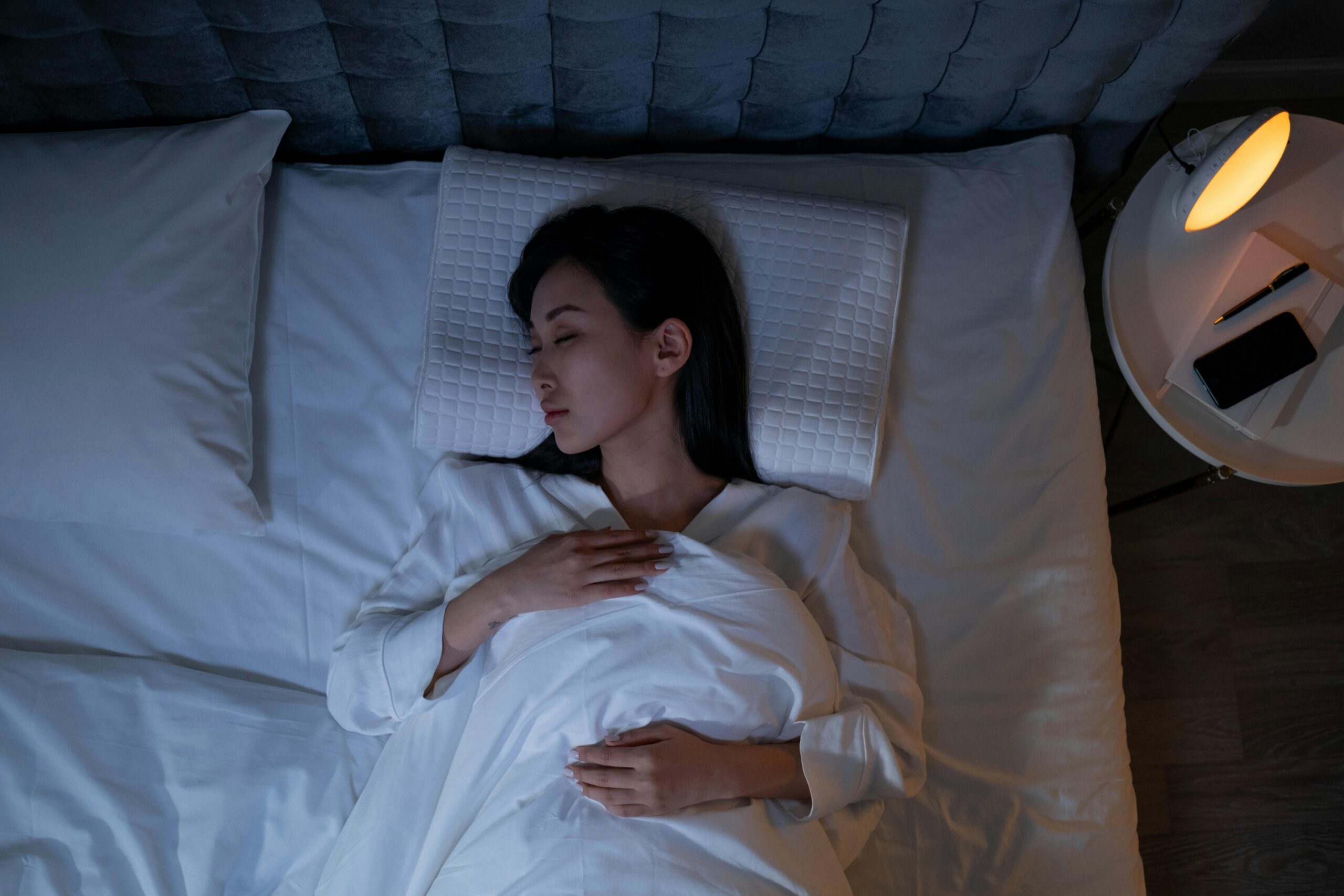
Consistently using music for sleep creates lasting improvements that extend beyond individual nights. Over time, you’ll notice cumulative benefits that transform your overall health and wellbeing.
Regular sleep music use can retrain your nervous system to relax more easily. After weeks of consistent practice, you’ll find yourself naturally calming down when music starts, sometimes falling asleep faster than the music itself.
Improved sleep quality affects every aspect of health—immune function, emotional regulation, cognitive performance, and even weight management. The better sleep that music facilitates cascades into better days.
Many people report reduced reliance on sleep medications when incorporating music into their routines. While never discontinue medications without medical guidance, music offers a sustainable, side-effect-free alternative for many sleep challenges.
The ritual of preparing for sleep with music creates psychological boundaries between day and night. This mental separation helps prevent work stress and daily worries from invading your rest period, protecting your sleep from modern life’s constant demands.
Whether you prefer the timeless elegance of classical music, the expansive calm of ambient soundscapes, or the primal comfort of nature sounds, the right sleep music can revolutionize your nights. Start experimenting tonight—your best sleep is just a playlist away. Sweet dreams! 🌙✨
