
Anúncios
Metal detector apps have revolutionized how hobbyists, professionals, and curious minds explore their surroundings using nothing more than their smartphones.
Gone are the days when metal detecting required bulky, expensive equipment. Today’s smartphone sensors can detect magnetic fields and metallic objects with surprising accuracy. Whether you’re searching for hidden treasures in your backyard, locating studs behind walls, or simply satisfying your curiosity about what lies beneath surfaces, metal detector applications offer accessible and practical solutions.
Anúncios
These innovative tools leverage the built-in magnetometer sensor present in most modern smartphones, transforming your device into a functional metal detector. While they may not replace professional-grade equipment for serious treasure hunting, they provide remarkable utility for everyday tasks and recreational exploration. Let’s dive deep into the world of metal detector apps and discover how they work, their practical applications, and how to get the most out of them.
🔍 How Metal Detector Apps Actually Work
Understanding the technology behind metal detector applications helps users appreciate their capabilities and limitations. These apps don’t rely on magic—they tap into sophisticated hardware already present in your smartphone.
Anúncios
Every modern smartphone contains a magnetometer, originally designed to power compass applications and assist with navigation. This sensor measures magnetic field strength in microteslas (μT). When metallic objects come near your phone, they disturb the ambient magnetic field, causing fluctuations that the magnetometer detects.
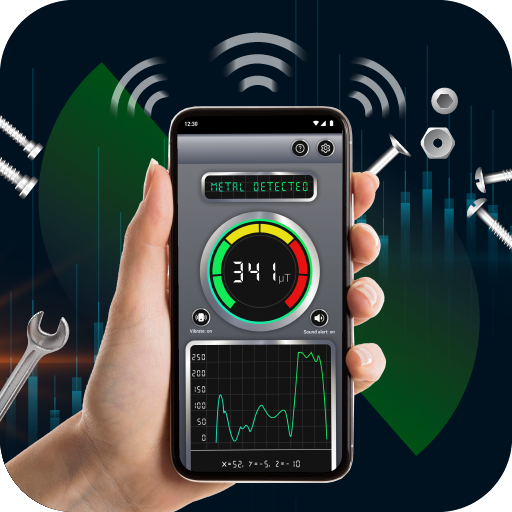
Metal detector apps read these magnetic variations and translate them into user-friendly displays. Most applications show real-time measurements through numerical readings, graphs, or visual indicators that change color or intensity as you approach metallic objects. The closer you get to metal, the higher the reading and the more pronounced the response.
Ferromagnetic materials like iron, steel, and nickel produce the strongest responses because they actively interact with magnetic fields. Non-ferrous metals such as copper, aluminum, and gold generate weaker signals since they’re less magnetically active. Some apps can differentiate between metal types based on signal strength and characteristics, though this feature varies in accuracy across different applications.


⚡ Practical Everyday Uses That Might Surprise You
Metal detector applications serve purposes far beyond treasure hunting. Their versatility makes them valuable tools for various everyday situations that you might not initially consider.
Home Improvement and DIY Projects
When hanging pictures, installing shelves, or mounting televisions, finding wall studs becomes crucial. Metal detector apps locate the nails and screws in wooden studs behind drywall, helping you avoid costly mistakes. They can also detect electrical wiring and metal pipes, preventing dangerous accidents during drilling or renovation work.
Lost Item Recovery
We’ve all experienced that sinking feeling when jewelry, keys, or small metallic items disappear. Whether it’s a ring that slipped down a drain, earrings lost in carpet fibers, or tools buried in garden soil, metal detector apps can systematically search areas to locate these missing treasures without tearing apart your entire space.
Security and Safety Checks
Some users employ metal detector apps for security purposes, checking furniture, packages, or second-hand items for hidden metallic objects. While not replacing professional security equipment, these apps provide a basic level of screening in everyday situations.
Educational Activities
Teachers and parents use metal detector apps as engaging educational tools. Children learn about magnetism, physics, and scientific inquiry while hunting for buried objects in sandboxes or exploring how different materials respond to magnetic fields. The interactive nature makes abstract concepts tangible and exciting.
📱 Choosing the Right Metal Detector App for Your Needs
Not all metal detector applications deliver the same performance or features. Understanding what separates exceptional apps from mediocre ones helps you select the tool best suited to your requirements.
The most effective apps provide clear, real-time readings without excessive lag. Look for applications that display measurements in microteslas and offer both numerical values and visual indicators. Graphical representations showing magnetic field fluctuations over time can help identify patterns and distinguish between different metal types.
User interface matters significantly. The best apps balance comprehensive functionality with intuitive design, allowing quick access to essential features without overwhelming users with complexity. Adjustable sensitivity settings let you fine-tune detection based on your specific situation—higher sensitivity for small objects, lower settings to reduce false positives from ambient interference.
Calibration capabilities prove essential for accurate measurements. Quality apps include calibration tools that account for your specific device’s sensor characteristics and environmental magnetic fields. Some advanced applications offer data logging, allowing you to record findings with timestamps and location information for later reference.
🎯 Maximizing Detection Accuracy and Performance
Getting optimal results from metal detector apps requires understanding proper technique and environmental factors that influence performance.
Proper Scanning Technique
Hold your smartphone parallel to the surface you’re scanning, moving it slowly and steadily. Rapid movements or erratic patterns reduce accuracy and make it difficult to pinpoint metal locations. Keep the device at a consistent distance from the surface—typically 1-2 inches works best for most applications.
The magnetometer sensor location varies between phone models. Most manufacturers place it near the top or upper corner of the device. Identifying your sensor’s position helps you orient your phone correctly for maximum sensitivity. Some apps include visual guides showing optimal positioning.
Environmental Considerations
Electronic devices, power lines, and other magnetic sources create interference that affects readings. When possible, turn off nearby electronics and move away from major electrical infrastructure. Concrete with rebar, metal furniture, and even some building materials generate magnetic signatures that can confuse detection efforts.
Calibrate your app in an area free from metal before beginning serious detection work. This establishes a baseline reading for comparison. Many apps perform automatic calibration, but manual calibration in controlled conditions often yields superior results.
Understanding Limitations
Smartphone metal detectors effectively detect objects within a few inches of the sensor. Detection depth depends on object size, composition, and sensor quality—larger ferromagnetic items might register at 4-6 inches, while small non-ferrous objects require near-contact proximity.
These apps cannot match professional metal detectors in depth, discrimination ability, or sensitivity. They excel as convenient tools for specific tasks but shouldn’t be expected to locate deeply buried artifacts or distinguish between closely spaced objects.

🏆 Top Features That Define Premium Detection Apps
The difference between basic and premium metal detector applications often comes down to specialized features that enhance functionality and user experience.
Multiple Display Modes: Advanced apps offer various visualization options—digital readouts, analog meter simulations, graph plots, and color-coded heat maps. Different modes suit different tasks and personal preferences.
Sound Alerts: Audio feedback allows eyes-free operation, with pitch or frequency changes indicating proximity to metal. This feature proves especially useful when scanning walls or working in situations where watching the screen proves inconvenient.
Material Discrimination: Sophisticated algorithms attempt to identify metal types based on magnetic response characteristics. While imperfect, this capability helps users determine whether detected objects warrant further investigation.
Data Recording: The ability to save readings, create detection logs, and mark locations with GPS coordinates transforms casual exploration into systematic documentation. Serious hobbyists appreciate these professional-grade features.
Customizable Sensitivity: Adjustable detection thresholds let users balance between catching faint signals and reducing false alarms from ambient magnetic noise. Context-specific sensitivity settings optimize performance for different applications.
🌍 Treasure Hunting and Recreational Exploration
While metal detector apps can’t replace dedicated treasure hunting equipment, they introduce newcomers to the hobby and serve recreational purposes admirably.
Beaches, parks, and historical sites offer opportunities for casual metal detecting adventures. Old coins, lost jewelry, and vintage artifacts occasionally surface through patient scanning. Managing expectations remains important—most finds will be mundane items like bottle caps and pull tabs, but the occasional discovery makes the search worthwhile.
Research enhances success rates dramatically. Historical maps, old photographs, and local history resources identify promising locations where people congregated in past decades. Picnic areas, beneath bleachers, around old tree stumps, and along pathways where people walked frequently yield more interesting finds than random locations.
Always respect private property and local regulations. Many areas prohibit metal detecting or require permits. Historical sites and archaeological locations typically ban unauthorized metal detection to preserve cultural heritage. Ethical detecting includes properly filling holes, removing trash, and reporting significant historical finds to appropriate authorities.
🔧 Troubleshooting Common Detection Problems
Users occasionally encounter issues that reduce metal detector app effectiveness. Understanding common problems and solutions ensures consistent performance.
Erratic or Inconsistent Readings: If measurements fluctuate wildly without obvious cause, recalibrate the app away from metal sources. Close background applications that might access the magnetometer sensor. Restart your phone to clear temporary software glitches affecting sensor performance.
No Response to Known Metal Objects: Verify that your smartphone actually contains a magnetometer—some budget models lack this sensor. Check app permissions to ensure magnetometer access is enabled. Test with strongly ferromagnetic items like steel tools rather than weakly magnetic metals.
Constant High Readings: Permanent magnets, magnetic phone cases, or metal components in protective covers can cause perpetually elevated readings. Remove all accessories and cases before detecting. Ensure your environment doesn’t contain hidden metal that’s creating baseline interference.
Battery Drain Issues: Metal detector apps typically consume minimal power, but continuous sensor polling with screen-on operation depletes batteries faster than normal use. Reduce screen brightness, close unnecessary background apps, and consider carrying a portable charger for extended detection sessions.
💡 Advanced Tips for Experienced Users
Once you’ve mastered basic metal detection, advanced techniques can significantly improve your results and expand your app’s usefulness.
Create detection maps of your property or favorite exploration areas. Systematically grid-search locations while logging finds, gradually building comprehensive understanding of what lies beneath different zones. This approach reveals patterns and helps avoid redundant searching.
Experiment with your phone’s orientation. While horizontal scanning works for most situations, vertical positioning sometimes detects wall studs or pipes more effectively. Rotate through different angles when initial scans prove inconclusive.
Combine metal detection with other smartphone sensors for enhanced functionality. Some apps integrate GPS for location marking, cameras for documenting finds, and compasses for maintaining systematic search patterns. Multi-sensor approaches transform simple detection into comprehensive exploration tools.
Join online communities dedicated to metal detecting. Forums, social media groups, and dedicated websites offer location tips, technique discussions, and identification help for mysterious finds. Experienced detectorists share knowledge that accelerates your learning curve dramatically.
🎨 The Future of Smartphone Metal Detection Technology
Ongoing smartphone sensor improvements and software algorithm advances promise enhanced metal detection capabilities in coming years.
Manufacturers continuously refine magnetometer sensitivity and accuracy. Each new phone generation typically features slightly improved sensors, expanding detection range and reducing noise. As artificial intelligence and machine learning integrate into detection apps, material discrimination and signal interpretation will become increasingly sophisticated.
Augmented reality represents an exciting frontier. Future apps might overlay detection data directly onto camera views, showing real-time visualizations of metallic objects’ locations beneath surfaces. This technology would revolutionize applications like finding wall studs or locating underground utilities.
Integration with other detection technologies could create hybrid systems. Pairing magnetometer detection with ground-penetrating radar adapters or thermal imaging might reveal subsurface details impossible with magnetic sensing alone. While currently requiring expensive additional hardware, such capabilities might eventually become accessible to casual users.
✨ Making Metal Detection Part of Your Lifestyle
Metal detector apps transform ordinary moments into opportunities for discovery and practical problem-solving. The convenience of carrying a detector everywhere your smartphone goes means you’re always prepared for unexpected situations requiring metal location.
Incorporate detection into outdoor activities. Beach walks become treasure hunts. Hikes through historical areas gain archaeological dimensions. Even mundane yard work presents opportunities to discover what previous property owners left behind.
Share the experience with friends and family. Metal detecting makes an engaging group activity that combines outdoor time with gentle competition to see who makes the most interesting finds. Children especially enjoy the technological treasure hunt aspect, making it an excellent way to encourage exploration and learning.
Document your detection journey through photos, notes, and collections of finds. Over time, you’ll build fascinating assemblages of items that tell stories about the places you’ve explored and the hidden history beneath everyday surfaces.
The accessibility and convenience of metal detector applications democratize a hobby once restricted to those willing to invest in specialized equipment. Whether you’re solving practical problems around your home, searching for lost valuables, or simply indulging curiosity about what lies beneath, these powerful tools fit comfortably in your pocket, ready to reveal the hidden metallic world around you.
