
Anúncios
Voice translator apps have revolutionized how we communicate across language barriers, making global conversations accessible with just a tap on your smartphone screen.
In an increasingly interconnected world, the ability to understand and speak different languages opens countless doors—from traveling with confidence to conducting international business without intermediaries. Voice translator applications have emerged as powerful tools that break down linguistic walls in real-time, transforming how we interact with people from diverse cultures.
Anúncios
These innovative apps combine advanced speech recognition technology with artificial intelligence to provide instant translations that go beyond simple text conversion. Whether you’re ordering food in Tokyo, negotiating a contract in Paris, or making friends in São Paulo, a voice translator app becomes your personal interpreter, available 24/7 in your pocket.
🌍 How Voice Translator Apps Transform Communication
The technology behind voice translation apps represents a remarkable achievement in computational linguistics and machine learning. These applications listen to spoken words, process them through sophisticated algorithms, and deliver translations almost instantaneously in both text and audio formats.
Anúncios
Modern voice translator apps utilize neural machine translation (NMT), which understands context and nuance rather than simply translating word-by-word. This contextual understanding makes conversations feel more natural and reduces the awkward phrasing that plagued earlier translation technologies.
The process happens in milliseconds: your voice is captured, converted to text, analyzed for meaning and context, translated into the target language, and then synthesized back into speech. All this computational power fits comfortably in your smartphone, making international communication remarkably simple.


Real-Time Conversation Mode 💬
One of the most impressive features of contemporary voice translator apps is the conversation mode, which facilitates bidirectional communication between two people speaking different languages. This functionality detects which language is being spoken and automatically translates in the appropriate direction.
Imagine sitting across from someone who speaks a completely different language. As you speak, the app translates your words into their language audibly. When they respond, the app immediately translates their reply back to you. This seamless exchange creates a surprisingly natural conversational flow despite the technological intermediary.
📱 Essential Features to Look for in Translation Apps
Not all voice translator apps are created equal. Understanding which features matter most helps you select the application that best fits your specific needs, whether for casual travel or professional purposes.
Offline functionality stands as one of the most critical features. Many translation apps require internet connectivity to access their cloud-based translation engines. However, premium apps offer downloadable language packs that enable translation even without data connection—invaluable when traveling in areas with limited connectivity.
Language variety determines how versatile your translator can be. The best applications support dozens or even hundreds of languages and dialects, from widely spoken languages like Spanish and Mandarin to less common ones like Icelandic or Swahili.
Accuracy and context awareness separate good apps from great ones. Advanced applications understand idiomatic expressions, regional variations, and contextual meaning rather than providing literal word-for-word translations that can sound unnatural or confusing.
Additional Capabilities That Enhance User Experience ✨
- Camera translation: Point your camera at signs, menus, or documents for instant visual translation
- Phrasebook features: Save commonly used phrases for quick access during conversations
- Voice customization: Choose between different accents and speaking speeds for output audio
- Dictionary integration: Access detailed definitions and alternative translations for specific words
- Pronunciation guides: Learn how to properly pronounce phrases in the target language
- Multi-device synchronization: Access your translation history and saved phrases across all your devices
🎯 Practical Applications in Different Scenarios
Voice translator apps serve countless practical purposes across various aspects of modern life. Understanding these use cases helps illustrate why these applications have become essential tools for millions of users worldwide.
International Travel and Tourism 🗺️
Travelers represent the largest user base for voice translation apps. Whether navigating public transportation in a foreign city, asking for directions, or communicating special dietary requirements at restaurants, these apps provide confidence to explore independently.
The ability to understand local languages enriches travel experiences significantly. You can engage with locals more authentically, discover hidden gems off the tourist path, and handle unexpected situations without panic. Emergency scenarios become less stressful when you can communicate your needs clearly, even in unfamiliar languages.
Business and Professional Communication 💼
Global commerce increasingly requires communication across language boundaries. Voice translator apps facilitate international conference calls, client meetings, and partnership negotiations. While professional interpreters remain necessary for high-stakes legal or medical situations, translation apps handle everyday business interactions efficiently.
Professionals working with international teams use these apps to clarify instructions, explain technical concepts, and build rapport with colleagues who speak different native languages. The technology democratizes international business opportunities, allowing smaller companies to compete globally without massive translation budgets.
Education and Language Learning 📚
Students and language enthusiasts use voice translator apps as supplementary learning tools. Hearing correct pronunciation from native speaker models helps develop proper accent and intonation. The instant feedback loop—speak, translate, compare—accelerates the learning process.
Teachers in multilingual classrooms utilize translation apps to communicate with students and parents who speak different languages, ensuring everyone can participate fully in the educational experience. This inclusivity strengthens community connections and student outcomes.

🔧 Technical Innovations Driving Translation Quality
The remarkable accuracy of modern voice translation apps stems from continuous technological advances in artificial intelligence, machine learning, and computational linguistics. Understanding these innovations helps appreciate the sophisticated engineering behind seemingly simple apps.
Deep learning neural networks have revolutionized translation quality by processing language in ways that more closely mimic human understanding. These systems analyze millions of translated documents to identify patterns, contextual clues, and linguistic structures that inform more natural translations.
Speech recognition technology has improved dramatically through exposure to diverse accents, speaking speeds, and audio conditions. Modern apps can understand whispered speech in quiet environments or shouted instructions in noisy settings, adapting to real-world conditions that earlier systems couldn’t handle.
The Role of Cloud Computing and Edge Processing ☁️
Cloud-based translation engines provide access to vast linguistic databases and powerful processing capabilities that exceed smartphone hardware limitations. When connected to the internet, apps leverage these resources for optimal translation quality and support for rare language pairs.
Edge processing technology enables on-device translation without cloud connectivity, processing everything locally on your smartphone. While this typically offers slightly reduced accuracy compared to cloud processing, the privacy benefits and offline availability make it invaluable for many users.
🔐 Privacy Considerations When Using Translation Apps
Voice translator apps necessarily process sensitive information—your spoken words, which may include personal details, business information, or private conversations. Understanding privacy implications helps you make informed decisions about which apps to trust.
Reputable translation apps clearly disclose their data practices, explaining whether conversations are stored, how long recordings are retained, and whether human reviewers might access your translations to improve system accuracy. Reading privacy policies before use protects you from unwanted data exposure.
Offline translation modes offer enhanced privacy since your voice never leaves your device. For sensitive conversations, using downloaded language packs eliminates the risk of data interception during cloud transmission or storage on external servers.
💡 Tips for Maximizing Translation Accuracy
Even the best voice translator apps perform better when users follow certain practices. These tips help you get the most accurate translations possible from your chosen application.
Speak clearly and at moderate pace. Rushing through sentences or mumbling confuses speech recognition algorithms, leading to errors in the initial transcription that cascade into translation mistakes. Articulate words distinctly without exaggerated slowness.
Use complete sentences with proper grammar. While translation apps handle casual speech, complete grammatical sentences provide better context clues that improve translation accuracy. Avoid excessive slang or regional expressions that may not translate well.
Minimize background noise. Find quiet environments when possible, or use headphones with good microphones to isolate your voice from ambient sounds. Wind, traffic, and crowd noise all degrade speech recognition performance.
Verify important translations. For critical communications, consider translating the output back to your original language to check if the meaning was preserved accurately. This back-translation technique reveals potential misunderstandings before they cause problems.
🌟 The Future of Voice Translation Technology
Voice translation technology continues evolving rapidly, with exciting developments promising even more seamless cross-language communication. Understanding these trends offers a glimpse into how translation apps will improve in coming years.
Real-time translation earbuds represent the next frontier, providing hands-free translation directly in your ear during conversations. These devices combine voice translator app technology with wireless audio hardware, creating an experience resembling science fiction’s universal translators.
Emotion and tone recognition will add crucial nuance to translations. Future apps may detect whether someone sounds angry, sarcastic, or joking, adjusting translations to preserve these emotional contexts that pure word translation misses.
Augmented reality integration will overlay translations directly onto the real world through smartphone cameras or AR glasses. Imagine looking at a foreign newspaper and seeing it instantly translated into your language as if it were originally printed that way.
Personalized Translation Profiles 👤
Emerging translation apps will learn your vocabulary preferences, frequently used phrases, and industry-specific terminology to provide increasingly personalized translations. If you’re a medical professional, the app will prioritize medical terminology accuracy; if you’re a chef, culinary terms receive special attention.
These adaptive systems will understand your communication style and adjust translations to sound more like how you naturally speak, making conversations feel more authentic even across language barriers.
🎨 Choosing the Right Voice Translator App for Your Needs
With dozens of voice translator apps available, selecting the optimal one requires evaluating your specific requirements, budget, and primary use cases. Different apps excel in different areas, so matching features to your needs ensures satisfaction.
Frequent travelers prioritize apps with robust offline capabilities and extensive language support, especially for less common languages. Business users need reliable accuracy and professional terminology handling. Language learners benefit from apps with strong educational features like pronunciation feedback and grammar explanations.
Free apps typically offer basic translation with limitations on offline languages, daily usage quotas, or advertising. Premium subscriptions remove these restrictions and often provide enhanced accuracy, additional features, and priority customer support.
Trial periods allow you to test premium features before committing financially. Take advantage of these trials to evaluate translation quality, user interface intuitiveness, and whether the app meets your expectations in real-world situations.
🚀 Making the Most of Your Translation App Experience
Downloading a voice translator app is just the beginning. Maximizing its value requires familiarizing yourself with all available features and integrating the app into your communication routine effectively.
Explore all functionality during a low-pressure situation before relying on the app in critical moments. Practice using conversation mode with friends, experiment with camera translation on everyday objects, and test offline capabilities while still at home with internet backup available.
Download language packs for your most likely destinations before traveling. These often-large files download much faster over home WiFi than hotel or airport connections, and having them ready eliminates last-minute stress.
Customize settings to match your preferences—adjust speech speed, choose preferred voice styles, and configure which features appear in quick-access menus. A personalized interface improves usability when you need translations quickly.
Regular updates ensure you benefit from the latest accuracy improvements and new features. Enable automatic updates or check periodically for new versions that enhance your translation experience.
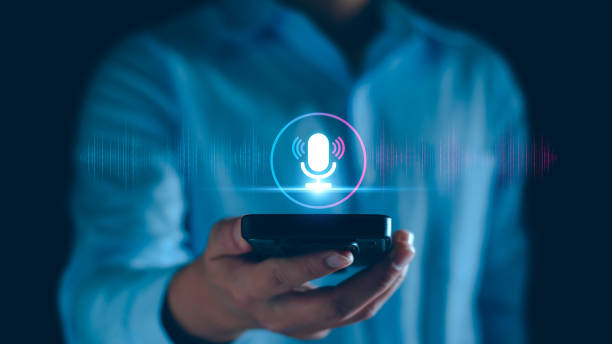
🌐 Breaking Down Barriers, Building Connections
Voice translator apps represent more than technological convenience—they’re tools for human connection that transcend linguistic boundaries. Every successful conversation facilitated by these apps represents a moment where technology served its highest purpose: bringing people together.
Whether you’re a globe-trotting adventurer, a business professional expanding into international markets, or simply someone curious about connecting with people from different cultures, voice translation technology empowers you to communicate confidently across languages that once seemed impenetrable barriers.
The democratization of language translation means that understanding across cultures no longer requires years of study or expensive human interpreters for everyday interactions. This accessibility fosters greater cultural exchange, strengthens international relationships, and helps build a more connected global community.
As these applications continue improving, the dream of effortless universal communication grows closer to reality. Until that future arrives, today’s voice translator apps already provide powerful capabilities that would have seemed like magic just a generation ago, placing the power of multilingual communication directly in your hands—or more precisely, in your pocket.
