
Anúncios
Ruins hold a mysterious power over the human imagination, drawing millions to explore ancient civilizations frozen in time and decay.
From the weathered columns of Greek temples to the vine-covered temples of Angkor Wat, ruins captivate us with their silent testimonies to vanished worlds. These architectural remnants serve as tangible connections to our ancestors, offering glimpses into lives lived centuries or millennia ago. The allure of ruins transcends mere historical curiosity—it touches something deeper within our collective consciousness, reminding us of both human achievement and inevitable impermanence.
Anúncios
Throughout history, societies have been fascinated by the remnants of previous civilizations. The Romans collected Greek antiquities, Renaissance scholars studied classical architecture, and today’s travelers journey across continents to stand before crumbling monuments. This enduring fascination reveals profound truths about how we understand ourselves, our place in the continuum of human experience, and our relationship with time itself.
The Psychological Pull of Architectural Decay 🏛️
Why do ruins captivate us so completely? The answer lies partly in the psychology of nostalgia and mortality. When we stand before ancient structures slowly being reclaimed by nature, we experience a poignant awareness of time’s passage. These spaces create a unique emotional state—melancholy mixed with wonder—that few other experiences can replicate.
Anúncios
Ruins embody what scholars call “ruin value”—the aesthetic quality that emerges when human-made structures begin their slow return to nature. The German concept of “Ruinenwert,” popularized in the 1930s, suggests that great architecture should decay beautifully. This philosophy recognizes that ruins possess their own distinct beauty, different from but perhaps equal to their original splendor.
The romanticism of ruins reached its peak during the 18th and 19th centuries when poets, painters, and philosophers celebrated these decaying structures as sublime symbols of human ambition and nature’s supremacy. Artists like Caspar David Friedrich and Giovanni Battista Piranesi created haunting images of ruins that influenced how generations would perceive these spaces—not as mere remnants, but as profound philosophical statements.
The Emotional Landscape of Forgotten Places
Walking through ruins creates a unique sensory experience. The silence, broken only by wind through empty windows or birds nesting in ancient rafters, invites contemplation. Sunlight filters through damaged roofs in ways the original architects never intended, creating accidental beauty. These unplanned moments of poetry remind us that beauty can emerge from loss and that endings can possess their own grace.
Modern visitors often report feeling a spiritual or emotional connection when exploring ruins. This phenomenon extends beyond religious sites—even secular structures like abandoned factories or forgotten railway stations evoke powerful feelings. The human imagination fills empty spaces with stories, populating silent halls with ghostly echoes of past inhabitants.
Archaeological Treasures: Windows to Vanished Worlds 🔍
Beyond their romantic appeal, ruins serve as invaluable archaeological resources. Each crumbling wall, fragmented mosaic, or weathered inscription provides data points that help researchers reconstruct past civilizations. Modern archaeology treats ruins not as static monuments but as complex texts waiting to be decoded.
Consider Pompeii, frozen in time by volcanic ash in 79 AD. This Roman city offers unprecedented insights into daily life during the height of empire. From the graffiti on walls to the food preserved in homes, Pompeii reveals intimate details that official historical records never captured. The ruins tell stories of ordinary people—their jokes, their meals, their relationships—humanizing an ancient world that might otherwise seem impossibly distant.
What Ruins Reveal About Lost Societies
Archaeological investigations of ruins have revolutionized our understanding of human history. The following aspects of past cultures become visible through careful study of architectural remains:
- Social hierarchies reflected in building size and decoration quality
- Religious practices evident in temple designs and ritual spaces
- Economic systems revealed through marketplaces and storage facilities
- Technological capabilities demonstrated by engineering techniques
- Cultural exchanges shown through architectural style mixing
- Environmental adaptations visible in construction materials and methods
- Daily routines suggested by residential layouts and furnishings
Recent technological advances have transformed ruin archaeology. LiDAR scanning reveals hidden structures beneath jungle canopy, ground-penetrating radar maps subsurface features without excavation, and 3D modeling recreates original appearances digitally. These tools allow researchers to study fragile sites without causing further damage, preserving them for future generations while still extracting valuable information.
Cultural Identity and Memory Preserved in Stone 🌍
Ruins function as cultural touchstones, anchoring collective identity and national narratives. Countries invest heavily in preserving ancient sites because these places embody heritage and legitimize contemporary political entities through connection to glorious pasts. The ruins become symbols of cultural continuity, suggesting that despite political changes and historical upheavals, something essential persists.
Greece’s relationship with classical ruins exemplifies this phenomenon. The Parthenon dominates Athens’ skyline as both tourist attraction and national symbol. Its presence on currency, government buildings, and cultural materials reinforces Greek identity as heir to ancient civilization. Similar patterns appear worldwide—Egypt with its pyramids, Cambodia with Angkor Wat, Mexico with Teotihuacan—where ancient ruins become inseparable from modern national identity.
Contested Histories Written in Ruins
Not all ruin stories are celebratory. Some ruins embody painful memories—colonial fortresses, slave quarters, concentration camps. These difficult heritage sites challenge visitors to confront uncomfortable truths about human capacity for cruelty. Preserving such places serves as memorial and warning, ensuring that history’s darkest chapters remain visible rather than conveniently forgotten.
Debates about ruins often reflect contemporary political tensions. Who owns heritage? Who decides how ruins should be interpreted and displayed? Indigenous communities increasingly challenge colonial narratives imposed on their ancestors’ sites, demanding recognition of alternative histories and consultation rights over sacred places.
The Economics of Ruins: Tourism and Preservation ✈️
Ancient ruins drive massive tourism economies. Machu Picchu, the Colosseum, Petra—these sites attract millions of visitors annually, generating billions in revenue. Local economies depend on tourists drawn by archaeological wonders, creating complex relationships between preservation needs and economic pressures.
Tourism presents both opportunity and threat. Visitor fees fund conservation efforts, but foot traffic damages fragile structures. The following table illustrates the economic impact of major ruin sites:
| Site | Annual Visitors | Economic Impact | Primary Conservation Challenge |
|---|---|---|---|
| Machu Picchu | 1.5 million | $40 million | Erosion from foot traffic |
| Colosseum | 7.6 million | $50 million | Structural instability |
| Angkor Wat | 2.6 million | $110 million | Water damage and vegetation |
| Petra | 1 million | $30 million | Sandstone weathering |
Managing this balance requires sophisticated approaches. Some sites implement visitor caps, timed entry systems, or restricted access to particularly vulnerable areas. Digital technology offers innovative solutions—virtual reality tours allow global audiences to experience ruins without physical presence, reducing pressure on actual sites while democratizing access.
Nature’s Reclamation: The Beauty of Decay 🌿
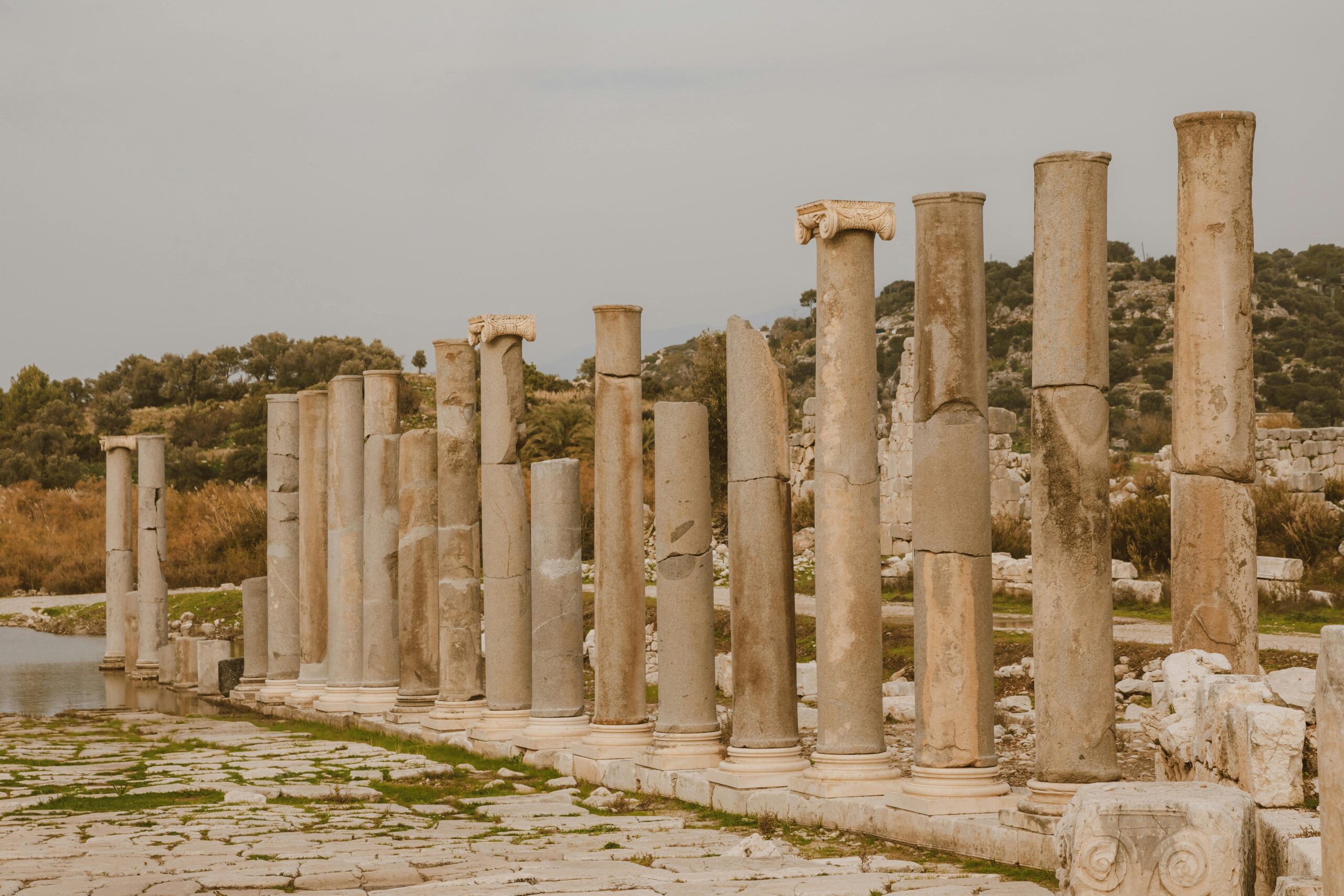
One of ruins’ most striking features is their gradual reintegration with the natural world. Trees grow through temple roofs, moss covers ancient inscriptions, and wildlife colonizes abandoned human spaces. This process creates haunting beauty that perfectly embodies the concept of impermanence.
The temples of Ta Prohm in Cambodia exemplify this aesthetic. Massive tree roots cascade over stone walls, creating an almost surreal fusion of architecture and nature. Archaeologists initially debated removing the trees to restore the buildings, but ultimately recognized that this natural reclamation had become part of the site’s identity and appeal. The trees now stay, carefully monitored to prevent catastrophic structural damage while maintaining the atmospheric quality that makes Ta Prohm unforgettable.
Ecological Value of Ruins
Beyond aesthetics, ruins provide unexpected ecological benefits. Ancient structures create microhabitats supporting diverse species. Birds nest in temple niches, bats roost in abandoned buildings, and rare plants colonize old walls where specific pH levels or moisture conditions exist. Some ruins function as biodiversity hotspots, particularly in regions where surrounding habitats have been destroyed.
Conservation biologists increasingly recognize that protecting cultural heritage and natural heritage are interconnected goals. Management plans for archaeological sites now often include ecological assessments, ensuring that preservation efforts benefit both cultural artifacts and resident species.
Modern Ruins: Industrial Decay and Urban Exploration 🏭
Fascination with ruins extends beyond ancient monuments to modern abandoned spaces. Derelict factories, forgotten railway stations, and empty hospitals attract urban explorers seeking beauty in industrial decay. This phenomenon, sometimes called “ruin porn,” generates controversy about whether celebrating decay romanticizes economic hardship and community loss.
Detroit symbolizes this complicated relationship with modern ruins. Photographs of abandoned automotive plants and empty mansions circulate widely, creating powerful imagery of American industrial decline. Some residents resent these representations, arguing they reduce complex economic struggles to aesthetic spectacle. Others see documentation value, preserving visual records of architectural and social history before demolition erases evidence.
The Ethics of Ruin Tourism
Exploring abandoned places raises ethical questions. Urban explorers debate access rights, safety responsibilities, and the line between documentation and vandalism. Some argue that photographing forgotten places preserves their memory; critics counter that it encourages trespassing and sometimes accelerates decay through increased foot traffic.
Chernobyl’s Exclusion Zone represents an extreme case. The abandoned city of Pripyat has become a dark tourism destination where visitors pay to see radiation-evacuated buildings frozen since 1986. This raises profound questions about appropriate responses to tragedy—when does remembrance become exploitation? How should communities memorialize disasters while respecting victims?
Preservation Versus Restoration: Philosophical Debates 🤔
Should ruins be preserved in their current state or restored to original appearance? This question sparks intense debate among archaeologists, architects, and cultural heritage professionals. Each approach embodies different values and philosophical assumptions about authenticity, history, and our relationship with the past.
Preservationists argue for minimal intervention, maintaining ruins in stable decay without attempting reconstruction. This approach respects historical authenticity—visitors see actual ancient materials rather than modern reproductions. However, preservation can result in increasingly fragmentary remains that convey little sense of original grandeur or function.
Restorationists counter that careful reconstruction makes sites accessible and meaningful to general visitors, not just specialists. Poland’s reconstruction of Warsaw’s Old Town after World War II exemplifies this philosophy—the historic district was essentially rebuilt from scratch using photographs and architectural records. Though technically not “original,” the restored Old Town creates authentic cultural experiences and anchors community identity.
Digital Immortality: Ruins in the Virtual Age 💻
Technology is transforming how we preserve and experience ruins. High-resolution 3D scanning creates permanent digital records of threatened sites. If physical structures are damaged or destroyed—by war, natural disaster, or time—these digital twins preserve their appearance for future generations and enable virtual reconstruction.
The destruction of Palmyra’s ancient temples by conflict in 2015 demonstrated both vulnerability and possibility. Though irreplaceable physical monuments were lost, digital archives preserved detailed measurements and imagery. Researchers now debate whether destroyed ruins should be physically rebuilt using this data or memorialized through virtual reality experiences that allow people worldwide to “visit” lost sites.
Augmented reality applications offer exciting possibilities for ruin sites. Visitors pointing smartphones at fragmentary remains see digital overlays showing original appearances, providing context without physical reconstruction. This technology balances educational accessibility with preservation ethics, allowing imagination-enhanced experiences without compromising authentic materials.
Lessons Written in Rubble: What Ruins Teach About Impermanence 📖
Ultimately, ruins remind us that nothing lasts forever. Empires fall, civilizations vanish, and even humanity’s greatest achievements eventually crumble. This realization could be depressing, but many find it strangely comforting. Ruins teach perspective, reminding us that our current troubles exist within vast temporal contexts where everything eventually passes.
The impermanence that ruins embody resonates with Buddhist philosophy, which teaches that attachment to permanence causes suffering. Japanese aesthetic concepts like “wabi-sabi” celebrate imperfection and transience, finding beauty in weathered, incomplete things. Ruins perfectly express these principles—their cracks, missing pieces, and nature-invaded spaces create beauty impossible in pristine structures.
Standing before ancient ruins, we realize that people once walked these same stones, worried about their own contemporary problems, and assumed their civilization would endure. This humbling perspective doesn’t diminish human achievement but contextualizes it, encouraging both ambition and humility. We build knowing our creations won’t last forever, yet we build anyway—and that persistence despite inevitable decay might be humanity’s most noble characteristic.
Ruins ultimately serve as bridges between past and present, reminding us of our connection to the long human story. They inspire wonder, provoke contemplation, and preserve memories of who we were and what we built. As long as humans remain curious about their origins and fascinated by beauty tinged with melancholy, ruins will continue drawing us to stand before them, silent and awed, contemplating the endless cycle of creation and decay that defines existence itself.
