
Anúncios
Apocalyptic imagery has captivated human imagination for millennia, shaping how civilizations understand endings, transformations, and ultimate meaning in existence.
🔥 The Ancient Roots of Apocalyptic Vision
The word “apocalypse” derives from the Greek apokalypsis, meaning “unveiling” or “revelation.” Far from being merely about destruction, apocalyptic imagery systems represent sophisticated frameworks for understanding radical transformation and hidden truths. These visual and conceptual languages emerged across diverse cultures, from ancient Mesopotamian prophecies to Jewish and Christian eschatological texts, and continue to influence contemporary art, literature, and digital media.
Anúncios
Throughout history, apocalyptic imagery has served multiple functions beyond simple prophecy. It has provided oppressed communities with hope for justice, offered moral frameworks for ethical behavior, and given artists powerful symbolic vocabularies for expressing societal anxieties. The enduring power of these image systems lies in their ability to make abstract concepts tangible through vivid, memorable symbolism.
Decoding the Visual Language of Endings
Apocalyptic imagery operates through a complex system of symbols that communicate across cultural boundaries. Dragons, beasts with multiple heads, cosmic disasters, celestial battles, and divine judgments create a universal vocabulary that resonates with fundamental human fears and hopes. These symbols tap into archetypal patterns that psychologist Carl Jung identified as part of our collective unconscious.
Anúncios
The Book of Revelation in Christian tradition provides perhaps the most influential apocalyptic imagery system in Western culture. Its four horsemen, seven seals, and final battle between good and evil have become embedded in art, literature, and popular culture. Similarly, Norse Ragnarok, Hindu Kali Yuga, and Aztec cyclical destructions represent parallel systems from different cultural contexts, each with unique symbolic elements yet sharing common themes of cosmic upheaval and renewal.
Symbolic Elements That Transcend Cultures 🌍
Certain apocalyptic symbols appear remarkably consistent across civilizations. Fire represents both destruction and purification. Water, particularly floods, symbolizes overwhelming judgment and the washing away of corruption. Darkness signals chaos and the absence of divine order, while light represents revelation and ultimate truth. Stars falling from heaven indicate the collapse of established order and cosmic structure.
Numbers carry profound significance in apocalyptic systems. Seven often represents completeness or divine perfection. Twelve connects to cosmic order and governance. The number 666, famously associated with the “beast” in Revelation, demonstrates how numerical symbolism can achieve lasting cultural impact. Three and a half (or forty-two months) frequently indicates periods of trial or tribulation across different traditions.
The Psychological Architecture of Apocalyptic Thought
Understanding apocalyptic imagery requires examining its psychological foundations. These systems address fundamental human needs for meaning, justice, and comprehensibility in a seemingly chaotic universe. When individuals or communities face overwhelming crises—whether political oppression, natural disasters, or social collapse—apocalyptic frameworks provide cognitive tools for processing trauma and maintaining hope.
The binary structure common to apocalyptic thought creates clear moral categories. Good versus evil, light versus darkness, the saved versus the damned—these dualities offer psychological comfort through simplification. However, sophisticated apocalyptic systems also incorporate mystery and paradox, acknowledging that ultimate truth exceeds simple categorization.
Crisis as Catalyst for Apocalyptic Consciousness ⚡
Historical analysis reveals that apocalyptic imagery intensifies during periods of social upheaval. The Roman persecution of early Christians generated the Book of Revelation. Medieval plagues spawned waves of apocalyptic art and literature. The threat of nuclear annihilation during the Cold War produced new apocalyptic narratives adapted to technological contexts. Contemporary climate anxiety has similarly generated fresh apocalyptic discourse focused on environmental collapse.
This pattern suggests that apocalyptic imagery systems serve adaptive functions. They help communities make sense of existential threats by placing them within larger narratives of meaning. Rather than experiencing catastrophe as random or meaningless, apocalyptic frameworks position crisis as part of purposeful cosmic drama moving toward resolution.
Artistic Expressions of the End Times
Visual arts have long drawn inspiration from apocalyptic imagery systems. Medieval illuminated manuscripts depicted the Beast and the Woman Clothed with the Sun with intricate detail. Renaissance artists like Hieronymus Bosch created complex apocalyptic landscapes that continue to fascinate viewers. Albrecht Dürer’s Four Horsemen woodcut from 1498 remains one of the most powerful visual interpretations of Revelation’s symbolism.
Modern and contemporary artists have adapted apocalyptic imagery to express new anxieties. The surrealists incorporated apocalyptic elements to explore unconscious fears. Abstract expressionists like Mark Rothko created works evoking cosmic finality through color and form. Contemporary artists address nuclear threat, environmental destruction, and technological dystopia using evolved apocalyptic visual languages.
Cinema and the Apocalyptic Imagination 🎬
Film has become perhaps the most influential medium for apocalyptic imagery in modern culture. From silent era Biblical epics to contemporary blockbusters, cinema leverages visual spectacle to bring end-times visions to life. Movies like “The Seventh Seal,” “Apocalypse Now,” “The Road,” and countless zombie films demonstrate the genre’s versatility and enduring appeal.
The Marvel Cinematic Universe’s “Avengers: Endgame” and similar superhero narratives incorporate apocalyptic structures into mainstream entertainment. These films position contemporary audiences as witnesses to cosmic battles that echo ancient apocalyptic texts, updated with special effects and modern mythology. The success of such films reveals ongoing cultural fascination with end-times narratives.
Literary Landscapes of Destruction and Renewal
Literature has explored apocalyptic themes with particular depth and nuance. Dante’s “Inferno” drew heavily on apocalyptic imagery to create his vision of hell. John Milton’s “Paradise Lost” incorporated apocalyptic battle between angelic forces. The Romantic poets used apocalyptic language to express revolutionary political hopes and fears about industrialization’s impact on nature.
Modern apocalyptic literature ranges from Cormac McCarthy’s bleak post-apocalyptic novel “The Road” to Margaret Atwood’s feminist dystopian “The Handmaid’s Tale.” Science fiction writers like Philip K. Dick, Octavia Butler, and N.K. Jemisin have created sophisticated apocalyptic narratives that explore race, technology, and environmental catastrophe. Young adult dystopian fiction represents another significant literary category drawing on apocalyptic imagery systems.
Poetic Visions of Ultimate Things 📖
Poetry’s compressed language and symbolic density make it particularly suited to apocalyptic expression. William Blake created an entire personal mythology incorporating apocalyptic imagery. W.B. Yeats’ “The Second Coming” with its “rough beast” slouching toward Bethlehem remains one of the most quoted apocalyptic poems in English. T.S. Eliot’s “The Waste Land” used apocalyptic fragments to express post-World War I cultural collapse.
Contemporary poets continue exploring apocalyptic themes through climate change, political violence, and pandemic experiences. The apocalyptic imagination adapts to express each generation’s particular anxieties while maintaining connection to ancient symbolic systems.
Digital Apocalypse: Gaming and Virtual End Times
Video games have emerged as a powerful medium for apocalyptic imagery and narrative. Post-apocalyptic games like “Fallout,” “The Last of Us,” “Horizon Zero Dawn,” and “Dark Souls” allow players to inhabit end-times scenarios interactively. These games often incorporate sophisticated philosophical and ethical dimensions alongside spectacular visual apocalyptic imagery.
The interactive nature of gaming creates unique relationships with apocalyptic content. Players don’t merely observe the end times—they navigate them, make moral choices within them, and sometimes determine their outcomes. This participatory dimension represents a significant evolution in how apocalyptic imagery systems function culturally.
Virtual Reality and Immersive Apocalyptic Experiences 🎮
Emerging technologies like virtual reality promise even more immersive apocalyptic experiences. VR applications exploring environmental collapse, war scenarios, and cosmic endings create unprecedented psychological intensity. These technologies raise important questions about the impact of deeply immersive apocalyptic content on human psychology and behavior.
Digital art and NFT spaces have also embraced apocalyptic aesthetics, with artists creating elaborate end-times scenarios rendered in stunning digital detail. These works demonstrate how ancient symbolic systems continue finding new expressions through cutting-edge technology.
Theological Dimensions and Sacred Apocalyptic Systems
Religious traditions maintain living relationships with apocalyptic imagery through ongoing interpretation and application. Christian eschatology continues debating the meaning of Revelation’s symbols, with different denominations emphasizing various aspects. Dispensationalist Christianity, particularly influential in American evangelical contexts, has developed detailed apocalyptic timelines correlating Biblical prophecy with contemporary events.
Islamic eschatology contains rich apocalyptic imagery involving figures like the Mahdi and Dajjal (the deceiver), cosmic battles, and final judgment. Hindu traditions describe cyclical destructions and recreations of the universe spanning vast time periods. Buddhist apocalyptic elements focus less on cosmic catastrophe and more on the decline of dharma and eventual appearance of Maitreya Buddha.
Millennial Movements and Apocalyptic Communities ⛪
Throughout history, apocalyptic beliefs have inspired millennial movements expecting imminent end times. The Millerites in 19th century America, cargo cults in Melanesia, and various contemporary groups demonstrate how apocalyptic imagery systems can motivate intense communal action. While some movements end in tragedy, others evolve into established religious traditions with modified apocalyptic expectations.
Understanding these movements requires recognizing the genuine hopes and fears apocalyptic beliefs address. For marginalized communities, apocalyptic visions often represent the only imaginable path to justice and vindication against overwhelming oppressive forces.
Political Apocalyptic Rhetoric and Social Movements
Political discourse frequently employs apocalyptic imagery to frame issues as existential crises requiring immediate, radical action. Revolutionary movements throughout history have used apocalyptic language to delegitimize existing orders and justify dramatic transformation. The French Revolution’s imagery, Marxist visions of capitalist collapse, and fascist mythologies of national rebirth all borrowed from apocalyptic symbolic vocabularies.
Contemporary politics continues this pattern. Climate activism uses apocalyptic imagery to communicate environmental urgency. Political movements across the spectrum frame opposing ideologies as existential threats. Social media amplifies apocalyptic rhetoric, creating echo chambers where end-times thinking intensifies. Understanding how apocalyptic imagery functions politically helps citizens evaluate claims more critically.
Environmental Apocalypse: Climate Change and Ecological Collapse
Contemporary environmental discourse has generated distinctive apocalyptic imagery centered on climate catastrophe. Rising sea levels, extreme weather events, mass extinctions, and ecological collapse provide concrete correlates to ancient apocalyptic visions. Unlike traditional apocalyptic systems promising divine intervention, environmental apocalyptic thought emphasizes human responsibility and agency.
This shift represents significant evolution in apocalyptic imagination. Rather than passive waiting for predetermined cosmic events, environmental apocalyptic consciousness calls for preventive action. Artists, writers, and activists use apocalyptic imagery not to paralyze audiences with fear but to motivate behavioral and systemic change. This pragmatic apocalypticism distinguishes much contemporary environmental thought from traditional eschatological systems.
Solarpunk and Post-Apocalyptic Optimism 🌱
Interestingly, some contemporary movements combine apocalyptic awareness with hopeful imagination. Solarpunk envisions positive futures built after addressing environmental crises. Post-apocalyptic narratives increasingly explore rebuilding and renewal rather than mere survival. These developments suggest evolving relationships with apocalyptic imagery that maintain its transformative power while rejecting fatalistic passivity.
Pandemic and Apocalyptic Consciousness
The COVID-19 pandemic activated apocalyptic thinking globally, with disease outbreaks representing ancient apocalyptic fears. Plague imagery appears prominently in traditional apocalyptic systems—the pale horse of Revelation brings pestilence. Contemporary pandemic experience connected millions of people viscerally with apocalyptic themes of mortality, social collapse, and uncertain futures.
Social media during lockdowns revealed how apocalyptic imagery helps process collective trauma. Memes, art, and commentary framed pandemic experience through apocalyptic lenses, sometimes seriously, sometimes ironically. This widespread apocalyptic discourse demonstrated these imagery systems’ continued psychological relevance in helping communities navigate crisis.
Transforming Vision into Action: Living with Apocalyptic Awareness
Understanding apocalyptic imagery systems equips individuals and communities to engage them critically and constructively. Rather than dismissing apocalyptic thinking as irrational or dangerous, recognizing its psychological functions and symbolic power enables more sophisticated responses. Apocalyptic awareness can motivate positive action without descending into despair or fanaticism.
The key lies in balancing apocalyptic consciousness with agency and hope. Acknowledging genuine crises—environmental, social, political—without surrendering to paralysis represents mature engagement with apocalyptic realities. Creative expressions channeling apocalyptic imagery toward constructive ends demonstrate this balance, using the power of end-times vision to imagine and work toward transformed futures.
Cultivating Apocalyptic Wisdom 🔮
Developing what might be called “apocalyptic wisdom” involves several practices. First, recognize when apocalyptic imagery appears in media, politics, and culture. Second, understand the psychological needs and fears such imagery addresses. Third, evaluate whether apocalyptic framing serves constructive or destructive purposes in specific contexts. Finally, appreciate apocalyptic art and literature for their genuine power while maintaining critical distance from manipulative uses.
Educational initiatives helping people decode apocalyptic imagery systems could enhance media literacy and critical thinking. Understanding how these powerful symbolic systems function prepares citizens to engage complex cultural and political discourses more thoughtfully. Academic study of apocalyptic traditions across cultures reveals both their diversity and common patterns, enriching cross-cultural understanding.
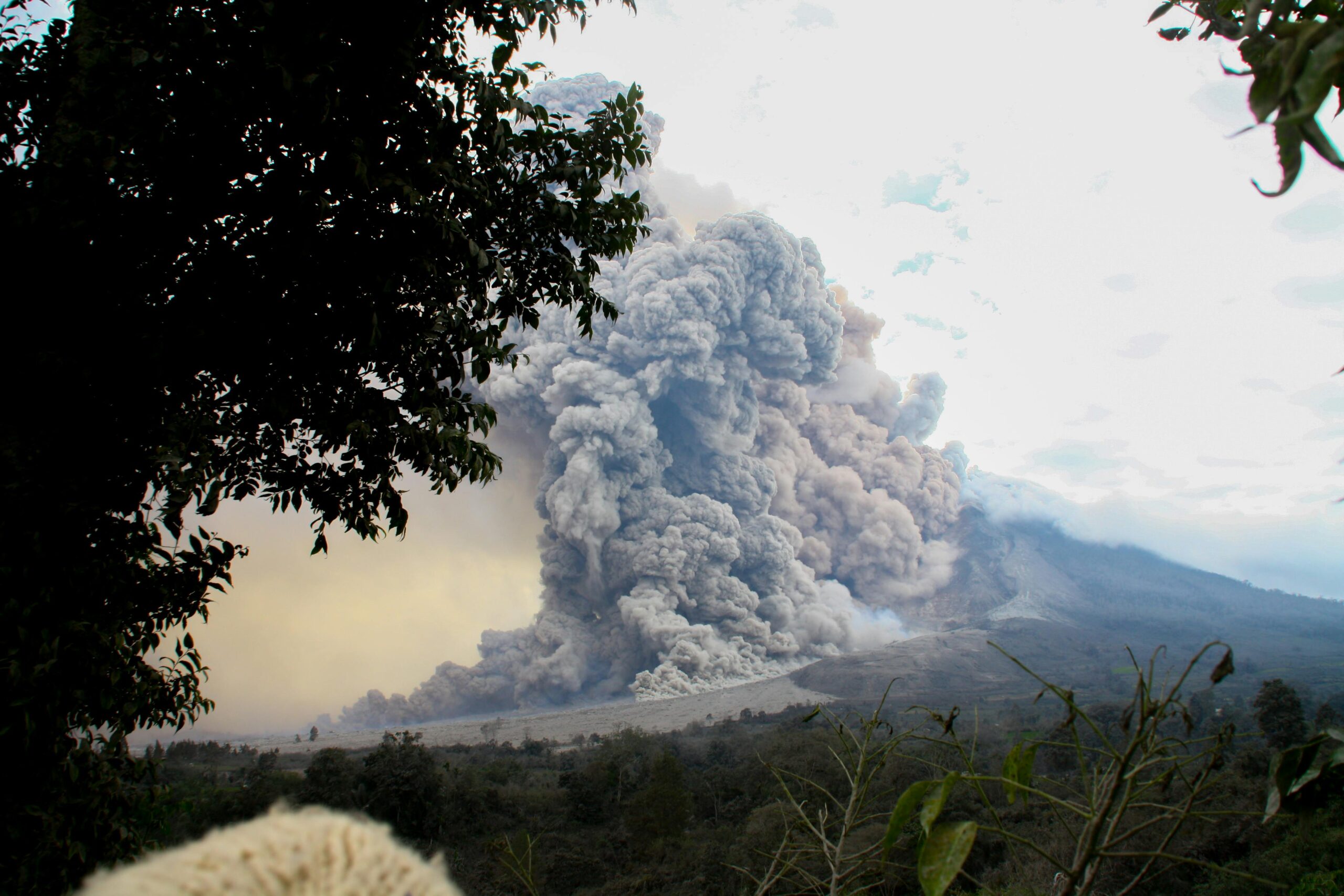
The Enduring Power of End-Times Vision
Apocalyptic imagery systems persist because they address permanent features of human existence: mortality, justice, meaning, and hope for transformation. As long as individuals and communities face crises that seem overwhelming, apocalyptic frameworks will provide tools for making sense of chaos and imagining beyond present circumstances. Rather than something to overcome or outgrow, apocalyptic consciousness represents an enduring dimension of human meaning-making.
The challenge lies not in eliminating apocalyptic thinking but in channeling it wisely. Throughout history, apocalyptic vision has inspired both profound creativity and dangerous extremism. Understanding what makes the difference helps societies harness apocalyptic imagination’s constructive potential while guarding against its destructive expressions. Education, critical thinking, and appreciation for symbolic complexity all contribute to this balanced engagement.
Contemporary artists, writers, and thinkers continue developing apocalyptic imagery systems that speak to current crises while drawing on ancient symbolic vocabularies. This ongoing creative evolution demonstrates these systems’ vitality and adaptability. From climate change narratives to pandemic literature to technological dystopias, apocalyptic imagination continues providing frameworks for grappling with existential questions facing humanity.
Ultimately, exploring apocalyptic imagery systems reveals profound insights about human consciousness, cultural adaptation, and the enduring need for narratives that place individual and collective experience within larger frameworks of meaning. Whether encountered in ancient texts, medieval art, contemporary films, or digital games, these powerful symbolic systems continue shaping how we understand endings, transformations, and the perpetual human hope that beyond every apocalypse lies the possibility of renewal.
