
Anúncios
Cultural traditions serve as invisible threads connecting past, present, and future generations, shaping who we are and how we behave in profound ways.
Throughout human history, the transmission of cultural practices has been fundamental to the survival and evolution of societies. These traditions, passed down through generations, create a shared identity and provide a framework for understanding the world. From the rituals we perform to the foods we eat, cultural practices influence our daily behaviors in ways we often don’t consciously recognize. Understanding how these traditions shape us offers valuable insights into human behavior, social cohesion, and the preservation of collective wisdom.
Anúncios
🌍 The Foundation of Cultural Transmission
Cultural transmission refers to the process by which knowledge, beliefs, values, and practices are passed from one generation to the next. This phenomenon occurs through various mechanisms, including observation, imitation, instruction, and storytelling. Unlike genetic inheritance, cultural transmission is flexible and adaptive, allowing societies to evolve while maintaining continuity with their past.
The power of this transmission lies in its ability to encode complex information in memorable formats. Stories, songs, dances, and rituals serve as vessels for carrying essential knowledge about survival, social norms, moral values, and community identity. This encoding ensures that crucial information survives even when written records are unavailable or lost.
Anúncios
Anthropologists have identified three primary modes of cultural transmission: vertical (from parents to children), horizontal (between peers), and oblique (from non-parental elders to younger generations). Each mode plays a distinct role in shaping behavior and maintaining cultural continuity. Vertical transmission tends to preserve core values and traditions, while horizontal transmission allows for innovation and adaptation to changing circumstances.
The Behavioral Blueprint Hidden in Rituals 🎭
Rituals represent one of the most powerful mechanisms through which cultural practices shape behavior. Whether religious ceremonies, coming-of-age celebrations, or seasonal festivals, rituals create structured experiences that reinforce social bonds and transmit values. These practices often contain layers of meaning that participants may not fully articulate but deeply internalize.
Consider the Japanese tea ceremony, which embodies principles of harmony, respect, purity, and tranquility. Through repetitive practice, participants internalize these values, which then influence their behavior in contexts far beyond the tea room. Similarly, Thanksgiving dinners in American culture reinforce values of gratitude, family connection, and shared abundance.
Rituals also serve crucial psychological functions. They provide predictability in uncertain times, create a sense of belonging, and mark important life transitions. The repeated performance of ritual actions creates neural pathways that make associated behaviors more automatic and culturally appropriate responses more accessible.
Why Rituals Persist Across Millennia
The longevity of certain rituals reveals their adaptive value. Practices that have survived for centuries or millennia often address fundamental human needs or encode practical wisdom. Wedding ceremonies across cultures, for instance, publicly formalize commitments, create community witnesses, and establish kinship networks—all functions that strengthen social cohesion.
Research in evolutionary psychology suggests that seemingly arbitrary ritual elements may enhance their memorability and transmission fidelity. The more distinctive and emotionally charged a practice, the more likely it is to be remembered and accurately transmitted to the next generation.
Language as the Primary Vehicle of Culture 💬
Language stands as perhaps the most fundamental cultural practice that shapes behavior. Beyond serving as a communication tool, language structures thought, influences perception, and carries cultural assumptions. The Sapir-Whorf hypothesis suggests that the language we speak influences how we conceptualize reality, though the extent of this influence remains debated.
Different languages encode different cultural priorities. Some languages have multiple words for concepts that other languages express with a single term, reflecting what a culture considers important to distinguish. The presence of formal and informal pronouns in many languages (like Spanish’s “tú” versus “usted”) encodes social hierarchies and influences how speakers navigate status relationships.
Proverbs, idioms, and metaphors embedded in language transmit cultural wisdom efficiently. These linguistic packages carry complex ideas in memorable forms, influencing how people approach problems and make decisions. A culture that says “the squeaky wheel gets the grease” promotes different behaviors than one that says “the nail that sticks up gets hammered down.”
Food Traditions and Identity Formation 🍲
Culinary traditions represent a particularly tangible and sensory-rich form of cultural transmission. Food practices encode information about available resources, climate adaptation, preservation techniques, nutrition, and social organization. They also create powerful emotional associations and memories that bind individuals to their cultural heritage.
The preparation and consumption of traditional foods often involve multiple generations working together, creating opportunities for knowledge transfer and relationship building. A grandmother teaching her grandchild to make a traditional dish transmits not just a recipe but techniques, stories, values, and a sense of continuity with ancestors.
Food restrictions and preferences, whether based on religious doctrine, ethical considerations, or cultural taboos, profoundly shape daily behavior and identity. These practices create in-group markers, distinguishing community members from outsiders and reinforcing group cohesion. The observation of halal, kosher, or vegetarian dietary laws requires constant behavioral choices that reinforce cultural and religious identity.
The Modern Challenge of Culinary Continuity
Globalization and urbanization pose challenges to traditional food practices. Fast food culture, time constraints, and geographic dispersion of families disrupt traditional patterns of culinary knowledge transmission. However, many communities actively work to preserve food traditions through cooking classes, documentation projects, and cultural festivals, recognizing food’s role in maintaining cultural identity.
Educational Practices and Cognitive Development 📚
How a culture approaches education and child-rearing fundamentally shapes cognitive development and behavioral patterns. Different educational traditions emphasize different values: individual achievement versus collective harmony, rote memorization versus critical thinking, respect for authority versus questioning and debate.
Traditional apprenticeship systems, still practiced in many cultures and crafts, transmit knowledge through observation, imitation, and gradual skill-building. This differs significantly from formal classroom education, which emphasizes abstract knowledge and standardized assessment. Both approaches shape how individuals learn, think, and approach problems throughout their lives.
Cultural practices around childhood independence also vary dramatically. Some cultures encourage early autonomy and self-reliance, while others emphasize extended family interdependence. These different approaches produce adults with different assumptions about relationships, responsibility, and identity.
The Role of Storytelling in Moral Development 📖
Stories have served as primary vehicles for cultural transmission since humans developed language. Myths, legends, folktales, and religious narratives encode moral lessons, cultural values, and social expectations in memorable, emotionally engaging formats. These stories shape behavior by providing models of admirable and cautionary conduct.
The heroes and villains in cultural narratives reveal what a society values and condemns. Trickster figures in many indigenous traditions teach lessons about cleverness and the consequences of deception. Epic heroes model courage, loyalty, and sacrifice. These narrative templates influence how individuals interpret their own experiences and make moral choices.
Modern media continues this ancient tradition, though with new platforms and reach. Films, television, and digital content transmit cultural values and behavioral norms to global audiences. The stories a culture tells itself about itself shape collective identity and individual aspirations.
🎵 Music, Dance, and Embodied Knowledge
Musical and movement traditions represent forms of cultural knowledge that exist in the body as much as in the mind. Traditional dances encode information about gender roles, courtship practices, community celebrations, and historical events. The physical practice of these traditions transmits cultural knowledge kinesthetically.
Music serves mnemonic functions, helping people remember important information. Work songs coordinate labor and make difficult tasks more bearable. Lullabies soothe infants while transmitting language and melody. Religious music creates emotional states conducive to spiritual experience and community bonding.
The participation in musical and dance traditions creates shared experiences that strengthen social bonds. Group singing and synchronized movement generate collective effervescence—a sense of unity and shared purpose that reinforces cultural identity and commitment to group norms.
Adaptation and Innovation Within Tradition ⚡
While traditions provide continuity, healthy cultures also demonstrate adaptive flexibility. The most resilient traditions evolve while maintaining core elements, responding to changing circumstances without losing essential identity. This balance between preservation and innovation characterizes successful cultural transmission.
Cultural practices that seem unchanging often contain more variation than apparent. Different families, regions, or time periods introduce modifications that keep traditions relevant to contemporary life. These variations create diversity within continuity, allowing traditions to serve new functions while honoring their origins.
Young people often serve as agents of cultural innovation, selectively adopting and adapting traditional practices. This generational negotiation between preservation and change can create tension but ultimately refreshes traditions for new contexts. Hip-hop culture, for example, draws on African and African American oral traditions while creating entirely new forms of expression.
The Psychological Benefits of Cultural Continuity 🧠
Participating in traditional cultural practices provides significant psychological benefits. Traditions offer predictability and structure in uncertain times, reducing anxiety and providing comfort. They connect individuals to something larger than themselves, satisfying fundamental needs for belonging and meaning.
Research shows that strong cultural identity correlates with better mental health outcomes, particularly for minority and immigrant populations. Traditional practices provide resilience resources, coping strategies, and social support networks. They offer alternative frameworks for understanding experience when dominant cultural narratives prove inadequate or alienating.
Intergenerational connection through shared traditions combats the isolation and fragmentation characteristic of modern life. When grandparents, parents, and children engage in traditional practices together, they create bonds and transmit not just knowledge but love, attention, and a sense of belonging.
The Cost of Cultural Disconnection
Conversely, disconnection from cultural traditions can create psychological distress. Individuals who lack connection to cultural heritage often report feelings of rootlessness, identity confusion, and meaninglessness. This cultural alienation may contribute to various social problems, including substance abuse, depression, and intergenerational conflict.
Preserving Traditions in the Digital Age 💻
Digital technology presents both challenges and opportunities for cultural transmission. On one hand, globalized media can homogenize culture and disrupt traditional transmission pathways. On the other hand, digital tools enable documentation, preservation, and sharing of cultural practices on unprecedented scales.
Communities worldwide use video, audio recordings, and digital archives to document endangered traditions and languages. Social media platforms allow diaspora communities to maintain cultural connections across distances. Virtual reality technologies may eventually enable immersive transmission of embodied cultural practices.
However, digital preservation differs from living practice. A video of a traditional ceremony lacks the multisensory, participatory, and communal dimensions of actual attendance. The challenge lies in using technology to support rather than replace direct, embodied cultural transmission.
Building Bridges Between Tradition and Modernity 🌉
The future of cultural practices depends on finding sustainable ways to honor tradition while embracing inevitable change. This requires conscious effort from individuals, families, communities, and institutions. Educational systems can integrate cultural education alongside standardized curricula. Families can intentionally create opportunities for intergenerational interaction and knowledge sharing.
Cultural festivals, museums, and community centers serve vital functions in preserving and transmitting traditions. These institutions create spaces where cultural practices can be performed, taught, and celebrated. They make traditions accessible to younger generations and outsiders interested in learning.
Ultimately, cultural traditions survive when they remain meaningful and relevant to living people. The most successful cultural transmission occurs when individuals understand not just the “what” and “how” of traditions but also the “why”—the values, wisdom, and functions that make practices worth preserving.
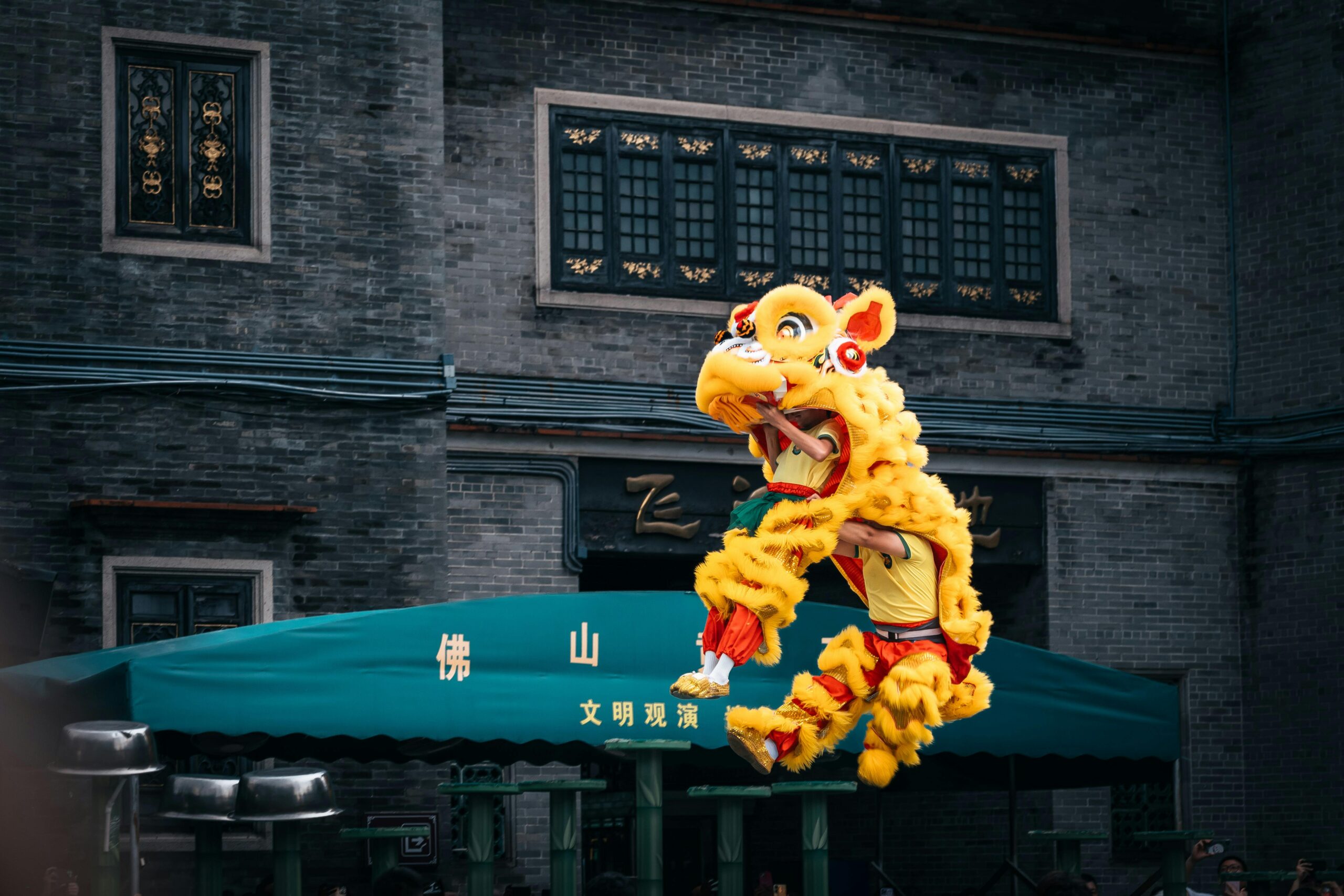
The Ongoing Journey of Cultural Creation 🚀
Every generation inherits cultural practices from the past and passes them, modified, to the future. We are simultaneously recipients, custodians, and creators of culture. This ongoing process of cultural creation and transmission represents one of humanity’s defining characteristics and greatest achievements.
The traditions we practice today will shape the behaviors, values, and identities of future generations in ways we cannot fully predict. By understanding how cultural practices influence behavior and identity, we can make more conscious choices about which traditions to preserve, which to adapt, and which new practices to create for the future.
Cultural practices carry the accumulated wisdom of countless ancestors while remaining flexible enough to address contemporary challenges. They remind us that we belong to communities extending backward and forward in time, connecting us to those who came before and those who will follow. In practicing our traditions, we honor the past while building the future, unlocking the transformative power of cultural continuity in an ever-changing world.
