
Anúncios
Education is evolving beyond traditional classrooms, embracing movement, mindfulness, and innovative practices that engage the whole body and mind in learning.
For centuries, education has relied heavily on sedentary learning models where students sit at desks, absorbing information through lectures and textbooks. However, emerging research in neuroscience, cognitive psychology, and educational theory reveals a profound truth: our bodies and minds are inseparable partners in the learning process. Embodied learning practices represent a paradigm shift that recognizes the critical role of physical movement, sensory experiences, and mindful awareness in cognitive development and knowledge retention.
Anúncios
The concept of embodied cognition suggests that our thoughts, understanding, and learning are deeply rooted in our bodily experiences. When we integrate movement, touch, gesture, and spatial awareness into educational practices, we activate multiple neural pathways simultaneously, creating richer and more durable learning experiences. This approach transforms passive students into active participants, unlocking potential that traditional methods often leave dormant.
🧠 The Science Behind Embodied Learning
Embodied learning is grounded in robust scientific evidence demonstrating how physical activity and sensory engagement enhance cognitive function. Research shows that movement increases blood flow to the brain, promoting neuroplasticity—the brain’s ability to form new neural connections. When students engage their bodies while learning, they create multi-sensory memories that are significantly stronger than those formed through passive listening or reading alone.
Anúncios
Studies conducted at leading universities have revealed that students who incorporate physical movement into their study routines demonstrate improved memory retention, problem-solving abilities, and creative thinking. The hippocampus, the brain region responsible for memory formation, responds particularly well to physical activity. Even brief movement breaks during extended learning sessions can dramatically improve focus and information processing.
Furthermore, the integration of mindfulness practices activates the prefrontal cortex, enhancing executive functions such as attention regulation, emotional control, and decision-making. When combined with movement-based learning, mindfulness creates an optimal state for absorbing and retaining new information. This synergistic relationship between body awareness and cognitive processing forms the foundation of effective embodied learning strategies.
Movement as a Catalyst for Deep Understanding ✨
Movement-based learning strategies go far beyond simple physical exercise. They involve intentional integration of bodily actions with academic content, creating embodied metaphors that help students grasp abstract concepts. For instance, mathematics teachers might have students physically walk along number lines to understand numerical relationships, or use their bodies to create geometric shapes, transforming abstract formulas into tangible, memorable experiences.
In language learning, incorporating gestures and physical actions significantly enhances vocabulary retention. When students associate new words with specific movements or gestures, they create additional memory anchors that facilitate recall. This technique, known as the Total Physical Response method, has proven particularly effective for second language acquisition across all age groups.
Science education benefits tremendously from kinesthetic demonstrations where students physically model atomic structures, simulate planetary orbits, or act out biological processes. These embodied experiences transform theoretical knowledge into lived understanding, making complex scientific concepts more accessible and memorable. Students remember what they do far more effectively than what they merely hear or read.
Practical Movement Integration Strategies
Educators can implement movement-based learning through various accessible approaches that don’t require extensive resources or specialized training. Simple strategies include standing discussions, walking debates where students move to different corners of the room representing different viewpoints, and kinesthetic brainstorming sessions using sticky notes placed around the classroom.
Brain breaks—short, structured movement activities lasting 3-5 minutes—can dramatically improve student focus and engagement. These might include stretching sequences, coordination exercises, or movement games that simultaneously challenge cognitive and physical abilities. Research indicates that students who participate in regular brain breaks demonstrate improved on-task behavior and academic performance.
Physical learning stations allow students to move between different activity zones throughout a lesson, maintaining physical engagement while exploring various aspects of a topic. This approach not only incorporates movement but also caters to diverse learning preferences and maintains student interest through variety and novelty.
Mindfulness: The Foundation of Intentional Learning 🧘
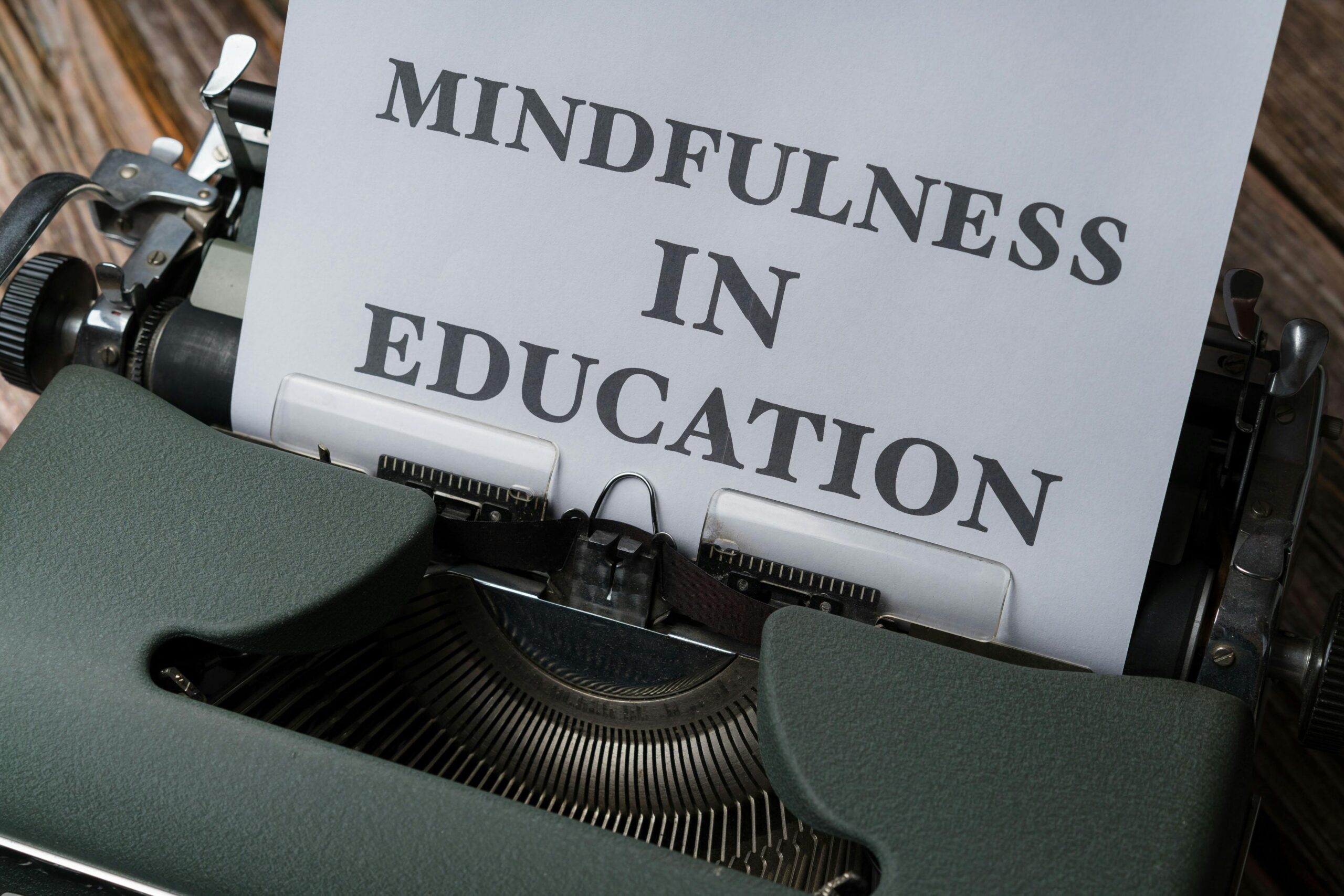
Mindfulness practices cultivate present-moment awareness, creating the mental clarity necessary for deep learning. When students develop mindfulness skills, they become better equipped to manage distractions, regulate emotions, and maintain sustained attention—all critical components of effective learning. The practice of mindfulness doesn’t require extensive time commitments; even brief daily practices yield significant benefits.
Beginning class with a short mindfulness exercise—such as focused breathing, body scans, or sensory awareness activities—helps students transition from the chaos of hallways and previous classes into a receptive learning state. This intentional pause creates a container for focused attention, allowing students to arrive fully present for the learning ahead.
Mindful listening exercises enhance comprehension and retention during lectures and discussions. By teaching students to listen with full attention, without immediately formulating responses or judgments, educators foster deeper understanding and more meaningful dialogue. This skill extends far beyond the classroom, preparing students for effective communication in all life contexts.
Integrating Mindfulness Across Subjects
Mindfulness isn’t limited to dedicated meditation sessions; it can be woven throughout academic content. In literature classes, mindful reading techniques encourage students to notice their emotional and physical responses to texts, deepening their engagement with narrative and character development. Mathematics students can practice mindful problem-solving, approaching challenges with calm focus rather than anxiety-driven rushing.
Art and creative subjects naturally lend themselves to mindful practices. Encouraging students to fully immerse themselves in the sensory experience of creating—noticing colors, textures, sounds, and bodily sensations—enhances both the creative process and the learning outcomes. This mindful engagement transforms art from a product-focused activity into a process-oriented exploration.
Science education benefits from mindful observation practices that train students to notice details without immediate interpretation. This cultivated awareness enhances experimental design, data collection, and the development of scientific thinking patterns that value careful observation before conclusion.
🚀 Innovation in Educational Environments
Creating learning environments that support embodied practices requires thoughtful innovation in classroom design, scheduling, and pedagogical approaches. Flexible learning spaces with movable furniture, standing desks, balance tools, and open areas for movement activities provide the physical infrastructure for embodied learning. These environments communicate that learning is an active, dynamic process rather than a passive, sedentary experience.
Technology, when used intentionally, can enhance embodied learning practices rather than replace physical engagement. Interactive applications that combine movement with content learning, virtual reality experiences that create immersive educational environments, and motion-sensing technologies that respond to student gestures all represent innovative tools that bridge digital and physical learning.
Scheduling innovations such as block scheduling, which allows for extended learning periods, create opportunities for deeper embodied learning experiences that wouldn’t be possible in traditional short class periods. Extended time blocks permit movement integration, mindfulness practices, and project-based learning that engages students holistically.
Teacher Training and Professional Development
Successful implementation of embodied learning practices requires educators who understand both the theory and practical application of these approaches. Professional development programs should provide teachers with direct experiences of embodied learning, allowing them to personally discover its benefits before implementing it with students. This experiential training is far more effective than theoretical presentations alone.
Collaborative learning communities where teachers share successful strategies, troubleshoot challenges, and refine their approaches create sustainable innovation. When educators support one another in exploring embodied practices, they build collective expertise that benefits entire school communities. These professional learning networks foster continuous improvement and adaptation of techniques to diverse student populations and subject areas.
Mentorship programs pairing experienced embodied learning practitioners with teachers new to these approaches accelerate implementation and increase confidence. Observing effective practices in action provides concrete models that demystify the integration of movement and mindfulness into academic instruction.
Addressing Diverse Learning Needs Through Embodiment 🌈
Embodied learning practices naturally accommodate diverse learning needs, making education more inclusive and accessible. Students with attention challenges often thrive when given opportunities for regulated movement, which helps them maintain focus and engagement. Kinesthetic learners, who may struggle in traditional sedentary environments, excel when education honors their need for physical engagement with content.
Students experiencing anxiety or emotional regulation difficulties benefit tremendously from mindfulness practices that provide tools for self-regulation. Teaching students to recognize and respond to their bodily sensations empowers them to manage stress, anxiety, and overwhelming emotions—skills that enhance both academic performance and overall well-being.
For students with sensory processing differences, embodied learning approaches can be adapted to provide appropriate sensory input that supports rather than overwhelms. Offering choices in how students engage physically with learning content respects individual differences while maintaining the benefits of embodied practices.
Cultural Responsiveness in Embodied Practices
Implementing embodied learning requires cultural sensitivity and awareness. Movement practices, personal space preferences, and comfort with physical expression vary significantly across cultures. Educators must create inclusive environments where all students feel comfortable participating in embodied activities, offering modifications and alternatives that honor diverse cultural backgrounds and personal boundaries.
Incorporating movement traditions from various cultures enriches embodied learning while validating students’ diverse backgrounds. Dance, martial arts, traditional games, and ceremonial movements from different cultures can be integrated into academic content, creating connections between students’ heritage and their learning experiences.
Measuring Success Beyond Traditional Metrics 📊
Evaluating the effectiveness of embodied learning practices requires expanding our definition of educational success beyond standardized test scores. While academic achievement remains important, embodied learning also develops crucial competencies including self-regulation, collaboration, creative problem-solving, and physical-mental integration that traditional assessments often miss.
Observational assessments that document student engagement, persistence, collaboration quality, and creative thinking provide valuable insights into embodied learning outcomes. Portfolio assessments that include reflections on physical and mindful learning experiences help students develop metacognitive awareness—understanding how they learn most effectively.
Long-term studies tracking students exposed to consistent embodied learning practices reveal benefits extending far beyond immediate academic gains. These students demonstrate enhanced executive function, improved stress management, greater physical literacy, and more positive relationships with learning itself—outcomes that predict life success more accurately than test scores alone.
Creating Sustainable Embodied Learning Cultures 🌱
Transforming education through embodied practices requires systemic change rather than isolated initiatives. School-wide commitment to movement, mindfulness, and innovative approaches creates cultures where these practices become normalized rather than special programs. When entire school communities embrace embodied learning, students experience consistent reinforcement across grade levels and subject areas.
Engaging families in understanding and supporting embodied learning extends these practices beyond school walls. Parent education sessions, family movement workshops, and home-based mindfulness resources help create alignment between school and home environments, reinforcing the value of holistic learning approaches.
Policy support at district and governmental levels provides the resources, flexibility, and validation necessary for widespread implementation. As evidence continues mounting for the effectiveness of embodied learning, educational policies increasingly reflect this understanding, providing frameworks that encourage rather than constrain innovative practices.
The Future of Learning: Bodies, Minds, and Innovation United 🎯
The integration of movement, mindfulness, and innovation represents not a temporary educational trend but a fundamental realignment with how humans naturally learn. As neuroscience continues revealing the intricate connections between physical experience and cognitive development, embodied learning practices will increasingly become mainstream rather than alternative approaches.
Emerging technologies including augmented reality, biofeedback devices, and artificial intelligence offer exciting possibilities for enhancing embodied learning while maintaining human connection and physical engagement. The key lies in using technology to amplify rather than replace the embodied experiences that form the foundation of deep learning.
Future learning environments will likely blur the boundaries between physical and digital, indoor and outdoor, individual and collaborative learning. These flexible, responsive spaces will honor the reality that learning happens through our whole beings—bodies, minds, emotions, and social connections—not through isolated cognitive processing.
The transformation of education through embodied learning practices unlocks human potential in ways that traditional approaches cannot. By honoring the inseparable relationship between body and mind, incorporating mindfulness as a foundational skill, and embracing innovation that serves holistic development, we create educational experiences that prepare students not merely for tests but for meaningful, engaged lives. This is education reimagined—dynamic, inclusive, and aligned with how we are designed to learn. The future of learning is embodied, and that future is already emerging in classrooms worldwide.
