
Anúncios
Building healthier habits becomes infinitely more rewarding when shared with those we care about. Transforming lives through collective preventive routines creates lasting impact for everyone involved.
Why Shared Health Routines Create Lasting Transformation 🌟
The journey toward optimal health doesn’t have to be a solitary expedition. When we invite family members, friends, or partners to join our wellness initiatives, we unlock a powerful dynamic that significantly increases our chances of success. Research consistently demonstrates that people who pursue health goals with companions show higher adherence rates, experience greater motivation, and achieve better long-term results than those who go it alone.
Anúncios
Shared preventive routines establish accountability structures that naturally keep everyone on track. When your workout partner expects you at the gym or your family anticipates the healthy meal you’re preparing together, you’re far less likely to abandon your commitments. This mutual responsibility creates a positive feedback loop where each person’s dedication reinforces everyone else’s determination.
Beyond accountability, collective health practices foster emotional connections that enrich relationships. Couples who exercise together report higher relationship satisfaction. Families that cook nutritious meals collectively strengthen their bonds while building healthier eating patterns. These shared experiences become cherished memories that associate wellness with joy rather than obligation.
Anúncios
The Science Behind Collective Wellness Success
Behavioral psychology reveals fascinating insights about why group-based health initiatives outperform individual efforts. The concept of social proof suggests that we naturally look to others for behavioral cues. When surrounded by people practicing healthy habits, those behaviors become normalized and easier to adopt ourselves.
Mirror neurons in our brains activate when we observe others performing actions, creating neural patterns similar to those generated when we perform those actions ourselves. This neurological phenomenon means that simply being around active, health-conscious individuals primes our brains for similar behaviors.
The support network created through shared routines provides crucial emotional resources during challenging moments. Everyone experiences motivation dips, but having companions who encourage persistence during these vulnerable periods makes the difference between abandoning goals and pushing through temporary obstacles.
Building Morning Rituals That Energize Everyone ☀️
Morning routines set the tone for entire days, making them ideal foundations for shared preventive health practices. Starting each day with collective wellness activities creates positive momentum that influences subsequent choices throughout the day.
Consider implementing these group morning rituals:
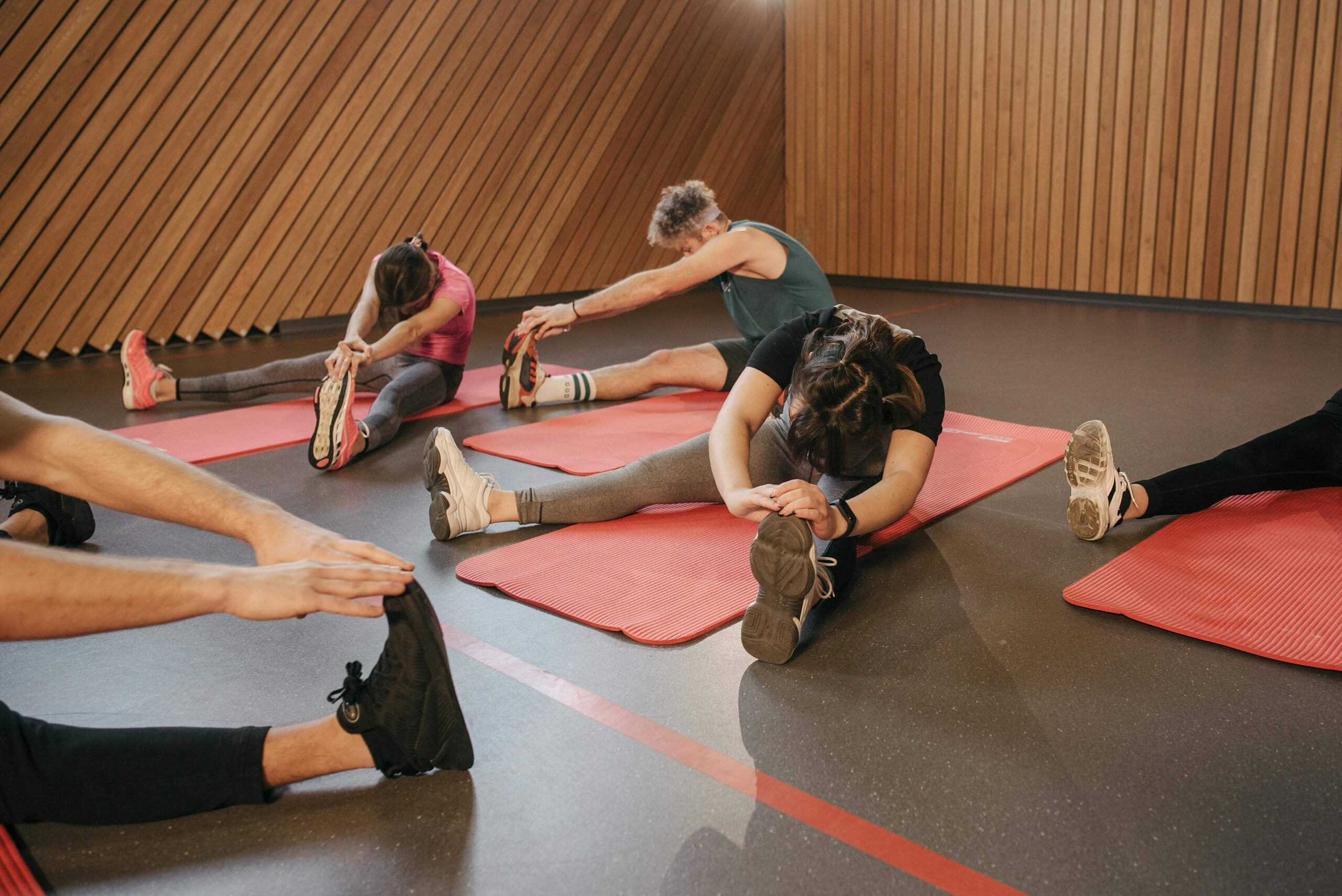
- Five to ten minutes of stretching or yoga together before breakfast
- Preparing and enjoying a nutritious breakfast as a family or household
- Taking a brief morning walk around the neighborhood
- Practicing gratitude sharing where each person mentions something they appreciate
- Reviewing daily intentions and wellness goals together
These practices don’t require extensive time commitments but generate significant returns. A fifteen-minute shared morning routine establishes connection, activates metabolism, improves mood, and creates alignment before everyone disperses for their individual responsibilities.
The key to sustainable morning rituals lies in simplicity and flexibility. Design routines that accommodate everyone’s schedules and energy levels. Some days might allow for longer sessions, while others require abbreviated versions. The consistency of showing up matters more than the duration.
Creating Active Lifestyles Through Playful Movement
Traditional exercise often feels like obligatory drudgery, which explains why so many people struggle with consistency. Reframing physical activity as playful movement transforms this dynamic entirely. When exercise becomes entertainment shared with loved ones, adherence skyrockets.
Families with children can organize backyard obstacle courses, dance parties, bike rides to parks, or active games that everyone enjoys. Adults without children might explore hiking trails, join recreational sports leagues, attend dance classes, or establish walking date nights.
The beauty of playful movement lies in its dual function: improving physical fitness while creating joyful experiences. Children who associate activity with fun rather than forced exercise develop healthier relationships with movement that persist throughout their lives. Adults rediscover the pleasure of physical play they may have lost decades ago.
Variety prevents boredom and works different muscle groups. Rotate through different activities weekly or monthly, allowing each family member to occasionally choose the activity. This democratic approach ensures everyone feels invested in the collective wellness journey.
Nutrition as a Team Sport 🥗
Food preparation offers exceptional opportunities for shared preventive health practices. Cooking together transforms meal creation from a solitary chore into a collaborative experience that educates, connects, and nourishes simultaneously.
Involving everyone in menu planning encourages investment in healthier eating patterns. When children help select recipes or choose produce at farmers markets, they become more willing to try new foods. When partners collaborate on meal preparation, they share both the workload and the satisfaction of creating nourishing dishes.
Establish weekly planning sessions where the household reviews upcoming meals together. This practice prevents last-minute unhealthy takeout decisions while ensuring everyone’s preferences receive consideration. Assign age-appropriate tasks to each person, from washing vegetables to measuring ingredients to stirring pots.
These collaborative cooking experiences provide natural opportunities to discuss nutrition principles without lecturing. Conversations about why certain ingredients benefit health emerge organically during preparation, making education feel like natural conversation rather than formal instruction.
Technology Tools That Support Shared Wellness Goals 📱
Modern technology offers remarkable resources for coordinating and tracking collective health initiatives. Fitness tracking apps, shared calendars, and wellness platforms help groups stay aligned and motivated even when physical schedules don’t perfectly overlap.
Many applications allow families or friend groups to create shared challenges, track combined steps or activity minutes, and celebrate milestones together. These digital tools extend accountability beyond physical presence, maintaining connection throughout busy days when people pursue activities independently.

Meal planning applications similarly facilitate nutrition coordination, allowing household members to contribute recipe ideas, generate shopping lists, and access preparation instructions from anywhere. This digital organization removes friction that often derails healthy eating intentions.
However, technology should enhance rather than replace genuine human connection. Use these tools strategically to support your wellness journey without allowing screens to dominate time that could be spent in face-to-face interaction during activities themselves.
Establishing Sleep Hygiene as a Household Priority 😴
Quality sleep represents one of the most powerful yet frequently overlooked preventive health strategies. Creating household sleep hygiene practices ensures everyone receives the restorative rest their bodies require for optimal functioning.
Implement collective evening wind-down routines that signal the approaching transition to sleep. An hour before target bedtime, the entire household might dim lights, power down stimulating screens, and engage in calming activities like reading, gentle conversation, or relaxation exercises.
Maintaining consistent sleep schedules even on weekends helps regulate circadian rhythms for everyone. When the whole household observes similar bedtimes and wake times, natural rhythms synchronize, making these patterns easier to sustain.
Environmental factors significantly impact sleep quality. Work together to optimize sleeping spaces by controlling temperature, minimizing noise, blocking light, and ensuring comfortable bedding. These investments benefit everyone’s health for years to come.
Stress Management Techniques for the Whole Family
Chronic stress undermines virtually every aspect of health, making stress management essential preventive practice. Teaching and practicing stress reduction techniques collectively equips everyone with coping skills they’ll utilize throughout their lives.
Simple breathing exercises suitable for all ages provide immediate stress relief. Box breathing—inhaling for four counts, holding for four, exhaling for four, holding for four—calms nervous systems within minutes. Practicing these techniques together during calm moments prepares everyone to deploy them during genuinely stressful situations.
Mindfulness practices don’t require extensive time or special equipment. Five-minute guided meditations, mindful eating exercises where everyone focuses completely on tasting their food, or nature observation walks all cultivate present-moment awareness that counteracts stress.
Create family stress-reduction rituals that everyone anticipates positively. Perhaps Sunday evenings involve relaxing music, herbal tea, and sharing reflections about the week. These predictable calm moments provide anchoring stability amid life’s inevitable turbulence.
Preventive Health Screenings and Check-Ups Together 🏥
Regular medical check-ups represent crucial preventive measures that many people neglect. Coordinating healthcare appointments as a group activity normalizes these important practices while providing mutual encouragement.
Schedule annual physical examinations, dental cleanings, and vision checks for the entire household during the same general timeframe. This concentrated approach ensures nobody’s appointments fall through the cracks while reinforcing that preventive care matters for everyone, not just when problems arise.
Discussing health metrics openly (while respecting privacy boundaries) educates everyone about wellness indicators. When adults share their blood pressure readings or cholesterol levels and explain what these numbers mean, children learn that monitoring health markers represents normal, responsible self-care.
Celebrate health milestones together—improved lab results, successful completion of health challenges, or reaching personal fitness goals. These celebrations reinforce positive associations with preventive health practices.
Adapting Routines Across Different Life Stages
Effective shared health routines evolve as family members progress through different life stages. What works for a household with young children differs from routines suited to families with teenagers or adult children.
Young children thrive with structured, playful routines that feel like games rather than obligations. Teenagers benefit from increased autonomy while maintaining accountability structures. Adult children might coordinate wellness activities despite living in separate households, using technology to maintain connection.
Empty nesters can reinvigorate their preventive routines by focusing on couple-based activities that had been challenging during child-rearing years. This life stage offers opportunities to explore new wellness dimensions like extended hiking trips, cooking classes, or meditation retreats.
Aging parents can be included in intergenerational wellness activities modified to accommodate their abilities. Gentle chair yoga, memory-supporting games, and social meals benefit elderly family members while strengthening family bonds across generations.
Overcoming Common Obstacles to Shared Wellness
Even with genuine commitment, challenges inevitably arise when implementing collective health routines. Conflicting schedules represent the most frequent obstacle. Address this by identifying even small windows of overlap that can be protected for shared activities. Weekend mornings, early evenings, or post-dinner periods often provide possibilities.
Different fitness levels or health limitations require creativity rather than abandonment of shared activities. Choose adaptable exercises where each person can participate at their own intensity level. Walking accommodates various paces; strength training allows different weight selections; yoga offers modifications for different abilities.
Motivation fluctuations affect everyone periodically. During these phases, the group’s collective commitment carries individuals through temporary enthusiasm dips. The person struggling this week might be the one encouraging others next month. This reciprocal support system sustains long-term adherence.
Financial constraints sometimes limit wellness options, but many effective preventive practices cost nothing. Walking, bodyweight exercises, library-borrowed workout videos, and home-cooked meals using affordable ingredients provide excellent health benefits without significant expense.
Measuring Progress and Celebrating Victories 🎉
Tracking collective progress provides motivation and reveals which practices deliver the greatest benefits. Establish metrics appropriate to your goals—perhaps total family activity minutes weekly, number of home-cooked meals, or consistent bedtime achievement.
Visual tracking tools make progress tangible for everyone. A simple chart on the refrigerator where family members add stickers for completed activities creates visible momentum. Digital tracking apps offer sophisticated alternatives with graphs and statistics.
Celebrate milestones appropriately with non-food rewards that reinforce wellness values. After a month of consistent morning routines, perhaps the family enjoys a special outing to a nature preserve. After achieving quarterly fitness goals, invest in new equipment everyone can enjoy.
Remember that sustainable transformation unfolds gradually. Small consistent improvements compound into remarkable results over time. Focus on building habits that can be maintained indefinitely rather than pursuing dramatic short-term changes that aren’t sustainable.
Creating Your Personalized Shared Wellness Blueprint
Every household possesses unique circumstances, preferences, and goals that shape optimal wellness routines. Rather than rigidly following predetermined programs, design customized approaches reflecting your specific situation.
Begin by gathering everyone for an honest discussion about current health status and aspirations. What does each person want to improve? Which activities sound enjoyable? What obstacles might interfere? This collaborative planning ensures everyone feels heard and invested.
Start with just one or two new habits rather than attempting comprehensive lifestyle overhauls overnight. Perhaps begin with twice-weekly evening walks and Sunday meal preparation together. After these become established routines, gradually add additional practices.
Schedule regular check-ins to assess what’s working and what needs adjustment. Monthly family wellness meetings provide opportunities to discuss progress, troubleshoot challenges, and refine approaches. This flexibility prevents abandoning the entire initiative when specific elements aren’t functioning ideally.
The Ripple Effect Beyond Your Household 💫
Shared preventive health routines create impacts extending far beyond immediate participants. Children who grow up in wellness-focused households carry these values into their future families, creating intergenerational health improvements. Friends who observe your family’s positive changes often feel inspired to implement similar practices in their own homes.
Communities benefit when multiple households prioritize preventive health. Neighborhoods with active families create safer, more vibrant environments. Schools notice improved student focus and reduced absences. Healthcare systems experience decreased burden from preventable conditions.
Your collective wellness journey might inspire broader community initiatives. Perhaps you organize neighborhood walking groups, community gardens, or healthy potluck gatherings. These expansions multiply the positive impact while providing additional motivation and social connection for your own family’s continued commitment.
Building Your Healthier Future Starting Today
The most challenging step in any transformation journey is simply beginning. The perfect moment will never arrive; start with whatever imperfect circumstances currently exist. Choose one small shared health practice to implement this week. That single step initiates momentum that makes subsequent steps progressively easier.
Remember that consistency matters more than perfection. Missed days or imperfect execution don’t negate previous progress. Simply resume your practices without guilt or excessive self-criticism. This resilient approach builds sustainable habits rather than fragile routines that collapse after minor disruptions.
The investment you make in collective preventive health practices yields dividends throughout your lifetimes. Reduced disease risk, improved energy, enhanced mood, stronger relationships, and greater life satisfaction represent just some of the returns on this investment. These benefits compound over time, making each year healthier than the last.
Your decision to prioritize shared wellness routines represents profound love for yourself and those you care about. By transforming health into a collective journey rather than an individual burden, you create sustainable practices that genuinely improve lives. The healthier, happier future you envision begins with the choices you make together today. Start building that future now—your present and future selves will thank you for the commitment you’re making to boost health together.
