Anúncios
# HTML Article: Remote Control Application on Your Cell Phone
Remote control apps have transformed smartphones into powerful universal remotes, eliminating the need for multiple physical devices cluttering your living room.
Anúncios
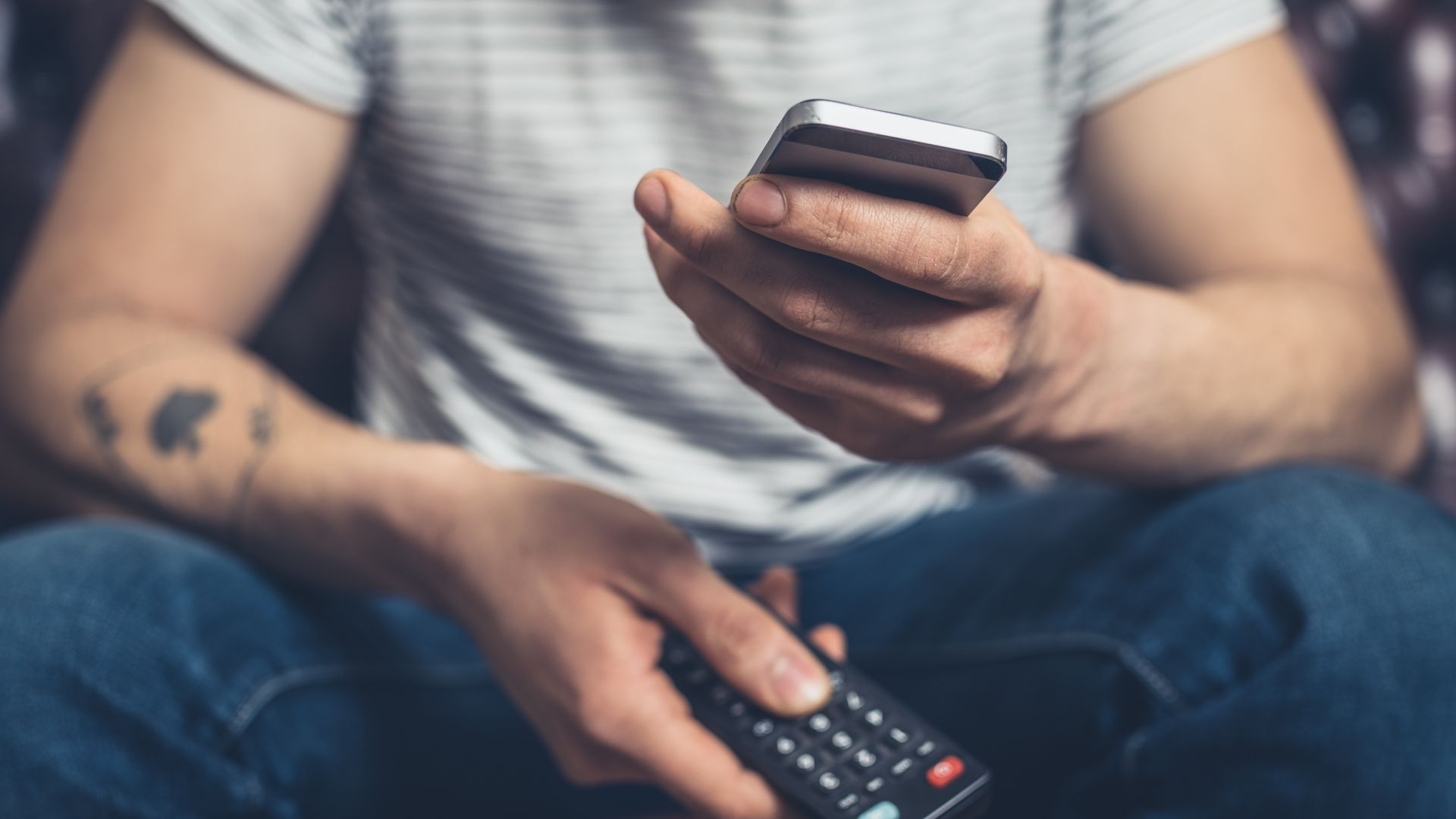
The evolution of smart home technology has made it possible to control virtually everything from the palm of your hand. Whether you’re adjusting your TV volume, switching channels, or managing your entire home entertainment system, modern remote control applications offer unprecedented convenience and functionality.
These innovative apps leverage infrared technology, Wi-Fi connectivity, and Bluetooth protocols to communicate with various devices. From televisions and air conditioners to streaming boxes and sound systems, the possibilities are virtually endless. Let’s explore how these applications work and why they’ve become essential tools for modern living.
Anúncios
🎯 Understanding How Remote Control Apps Work
Remote control applications utilize different technologies depending on your device’s capabilities and the equipment you’re trying to control. The most common methods include infrared (IR) blasters, Wi-Fi networks, and Bluetooth connections.
Infrared technology mimics traditional remote controls by emitting light signals that devices recognize as commands. Many Android smartphones include built-in IR blasters specifically for this purpose. When you press a button on your app, it sends the corresponding IR signal to your device, just like a physical remote would.
Wi-Fi-based control has become increasingly popular with smart TVs and streaming devices. These applications connect to your home network and communicate directly with compatible devices. This method offers several advantages, including longer range, the ability to control devices from anywhere in your home, and support for more complex commands.
Bluetooth connectivity serves as another reliable option, particularly for newer devices. It offers a good balance between range and battery efficiency, making it ideal for controlling nearby equipment without requiring a direct line of sight.
📱 Key Features That Define Quality Remote Apps
Not all remote control applications are created equal. The best ones share several characteristics that enhance user experience and functionality.
A clean, intuitive interface stands as the foundation of any excellent remote app. You shouldn’t need a manual to figure out basic controls. The layout should mirror familiar remote designs while incorporating modern touchscreen advantages like swipe gestures and customizable buttons.
Device compatibility represents another crucial factor. Premium applications support hundreds or even thousands of different brands and models. This versatility ensures you can control multiple devices with a single app, from your Samsung TV to your LG air conditioner.
Customization options allow users to tailor their experience. Creating personalized button layouts, setting up macro commands, and programming favorite channels can significantly improve efficiency and convenience.
Essential Functions to Look For
When selecting a remote control application, consider these fundamental features:
- Quick device pairing with automatic brand detection
- Voice control integration for hands-free operation
- Widget support for instant access from your home screen
- Multiple device profiles for seamless switching
- Touchpad functionality for smart TV navigation
- Keyboard input capability for text entry
- Screen mirroring and casting options
- Timer and scheduling functions
🏠 Transforming Your Smartphone Into a Universal Remote
Setting up your phone as a universal remote typically takes just a few minutes. The process varies slightly depending on the app and connection method, but the basic steps remain consistent.
First, download your chosen remote control application and grant necessary permissions. These typically include access to your Wi-Fi network, Bluetooth, and in some cases, your device’s IR blaster if available.
Next, ensure both your smartphone and the device you want to control are connected to the same Wi-Fi network. This step is crucial for Wi-Fi-based remotes. For IR or Bluetooth connections, simply ensure you’re within range.
The app will usually scan for available devices automatically. If automatic detection doesn’t work, you can manually select your device’s brand and model from the app’s database. Most quality applications maintain extensive libraries covering thousands of devices.
Testing and Calibration
After pairing, test basic functions like power, volume, and channel changing. Some apps include calibration wizards that walk you through testing various buttons to ensure proper configuration. If certain buttons don’t work correctly, you might need to adjust settings or try an alternative device code.
Save your configuration once everything works properly. Many apps allow you to create multiple profiles for different devices or rooms, making it easy to switch between controlling your bedroom TV and your living room entertainment system.
💡 Advanced Capabilities and Smart Home Integration
Modern remote control apps extend far beyond simple channel changing. They’ve evolved into comprehensive smart home controllers that integrate with various ecosystems and protocols.
Scene creation allows you to trigger multiple actions with a single button press. For example, a “Movie Night” scene might dim your smart lights, close your motorized blinds, turn on your TV, launch Netflix, and adjust your sound system to optimal settings—all simultaneously.
Scheduling functionality lets you automate device behavior based on time or other triggers. Set your TV to turn off automatically at bedtime, or program your air conditioner to cool your room before you arrive home from work.
Voice assistant integration brings hands-free control to another level. Many remote apps now work with Google Assistant, Amazon Alexa, or Siri, allowing you to issue commands through voice alone.
🔒 Security Considerations for Remote Control Apps
While convenience is paramount, security shouldn’t be overlooked. Remote control applications access your home network and potentially sensitive information about your usage patterns.
Always download apps from official sources like the Google Play Store or Apple App Store. Third-party applications from unknown sources might contain malware or security vulnerabilities that could compromise your network.
Review app permissions carefully before installation. A legitimate remote control app needs access to Wi-Fi and possibly Bluetooth, but it shouldn’t require access to your contacts, camera, or microphone unless it offers features that specifically use these functions.
Keep your apps updated regularly. Developers frequently release security patches and improvements that protect against newly discovered vulnerabilities. Enable automatic updates to ensure you’re always running the latest, most secure version.
Protecting Your Network
Use strong passwords for your Wi-Fi network and change default credentials on all connected devices. Many smart TVs and streaming boxes come with preset passwords that hackers can easily exploit.
Consider creating a separate network for IoT devices if your router supports it. This isolates your smart home equipment from computers and phones that might contain sensitive personal data.
🎬 Optimizing Your Entertainment Experience
Remote control apps shine brightest when controlling entertainment systems. Their touchscreen interfaces offer advantages that traditional remotes simply can’t match.
Navigation becomes significantly easier with touchpad support. Scrolling through Netflix menus or typing search queries is far more intuitive on your phone’s screen than fumbling with directional buttons on a physical remote.
Quick access shortcuts save time when launching frequently used apps or channels. Instead of navigating through multiple menus, program custom buttons that take you directly to your favorite streaming services or television stations.
Content sharing between devices becomes seamless. Many remote apps support casting, allowing you to send photos, videos, or music from your phone to your TV with just a tap.
🌟 Troubleshooting Common Issues
Despite their convenience, remote control apps occasionally encounter problems. Understanding common issues and their solutions can save considerable frustration.
Connection problems typically stem from network issues. Ensure both devices are on the same Wi-Fi network and within reasonable range of your router. Restart both your phone and the device you’re trying to control if connections fail.
For IR-based remotes, verify that nothing obstructs the path between your phone and the device. Infrared signals require direct line of sight and won’t work through walls or around corners.
If specific buttons don’t function correctly, you might be using the wrong device code. Try alternative codes for your device model, or use the app’s learning mode if available, which allows it to memorize commands from your original remote.
Performance Optimization Tips
Close unnecessary background apps to free up resources and improve response time. Remote control apps need sufficient processing power to send commands quickly and reliably.
Clear the app’s cache periodically through your phone’s settings. Accumulated temporary files can slow performance and cause unexpected behavior.
Ensure your phone’s operating system stays current. Older OS versions might not support newer app features or could have compatibility issues with recent updates.
🚀 Future Trends in Mobile Remote Control Technology
The future of remote control applications looks increasingly sophisticated. Artificial intelligence and machine learning are beginning to transform how we interact with our devices.
Predictive behavior will soon allow apps to anticipate your needs based on usage patterns. Your remote might automatically suggest your favorite streaming service at the time you typically start watching, or adjust settings based on ambient lighting conditions.
Augmented reality features could revolutionize setup and troubleshooting. Point your phone’s camera at a device, and the app might overlay control information or configuration guidance directly on your screen.
Enhanced cross-platform compatibility will continue improving. As smart home standards evolve and consolidate, remote apps will gain the ability to control an even wider range of devices from different manufacturers seamlessly.
📊 Comparing Connection Methods
| Connection Type | Range | Line of Sight Required | Best For |
|---|---|---|---|
| Infrared (IR) | Up to 30 feet | Yes | Traditional TVs and appliances |
| Wi-Fi | Entire home | No | Smart TVs and streaming devices |
| Bluetooth | 30-100 feet | No | Nearby devices with BT support |
| Network IP | Unlimited (internet) | No | Remote access from anywhere |
🎨 Customization and Personalization Options
The ability to customize your remote control app creates a truly personalized experience that matches your specific needs and preferences.
Theme customization allows you to change the app’s appearance, from dark modes that reduce eye strain during evening viewing to colorful interfaces that match your style. Many apps offer multiple layout options, letting you choose between compact, standard, or expanded button arrangements.
Button mapping gives you complete control over functionality. Reassign rarely used buttons to commands you access frequently, or create entirely new button combinations that perform complex sequences.
Multi-room control becomes possible with profile creation. Set up separate configurations for each room in your house, then switch between them instantly as you move around.
✨ Making the Most of Your Remote Control App
Maximizing the value of your remote control application requires understanding its full capabilities and implementing best practices.
Explore all available features rather than sticking to basic functions. Many users never discover powerful capabilities like macro programming, gesture controls, or voice commands simply because they don’t investigate beyond initial setup.
Create backup configurations if your app supports it. Export your settings periodically so you can quickly restore everything if you change phones or need to reinstall the application.
Join user communities and forums related to your chosen app. Other users often share creative solutions, custom configurations, and troubleshooting tips that significantly enhance functionality.
Remote control applications represent a significant leap forward in home entertainment and device management. They consolidate multiple physical remotes into one versatile tool, reduce clutter, and provide capabilities that traditional remotes simply cannot match. By understanding how these apps work, selecting quality options, and implementing security best practices, you can transform your smartphone into a powerful universal remote that simplifies daily life.
Whether you’re controlling a single TV or managing an entire smart home ecosystem, these applications offer unmatched convenience and functionality. The technology continues evolving rapidly, promising even more exciting features and capabilities in the coming years. Embrace this innovation and discover how much easier managing your devices can be with the right remote control app on your smartphone.
