
Anúncios
In an unpredictable world, mastering preparedness isn’t just a hobby—it’s a vital life skill that empowers you to face any challenge with confidence.
The concept of long-term survival and self-reliance has evolved far beyond simple camping trips or weekend adventures. Today, it encompasses a comprehensive lifestyle approach that combines traditional wisdom with modern innovation. Whether you’re concerned about natural disasters, economic uncertainty, or simply want to reduce your dependence on fragile supply chains, developing essential preparedness skills has never been more relevant or necessary.
Anúncios
The journey toward true self-reliance begins with understanding that preparedness isn’t about fear—it’s about freedom. When you possess the knowledge and skills to provide for yourself and your loved ones regardless of external circumstances, you gain a profound sense of security and independence that money alone cannot buy.
🎯 Why Preparedness Matters More Than Ever
Recent global events have demonstrated just how quickly our normal routines can be disrupted. Supply chain interruptions, power grid vulnerabilities, extreme weather events, and economic volatility have all reminded us that the systems we depend on daily are more fragile than we might like to admit.
Anúncios
Building preparedness skills isn’t about becoming a doomsday prepper or abandoning modern conveniences. Rather, it’s about developing practical competencies that enhance your quality of life while providing insurance against uncertainty. Those who invest time in learning self-reliance skills often discover unexpected benefits: reduced stress, stronger family bonds, improved physical health, and a deeper connection with nature and community.
The psychological benefits of preparedness are equally significant. Research consistently shows that people who feel prepared for emergencies experience less anxiety and demonstrate greater resilience when facing challenges. This mental fortitude becomes a resource that serves you throughout all aspects of life, not just survival situations.
🔥 Fire Craft: The Foundation of Survival
Fire remains humanity’s most fundamental survival tool, providing warmth, protection, water purification, food preparation, and psychological comfort. Mastering multiple fire-starting methods ensures you’re never dependent on a single approach or tool.
Begin by learning friction-based methods like the bow drill and hand drill. While challenging initially, these primitive techniques work in almost any environment and require only natural materials. Practice until you can consistently produce an ember within five minutes under various weather conditions.
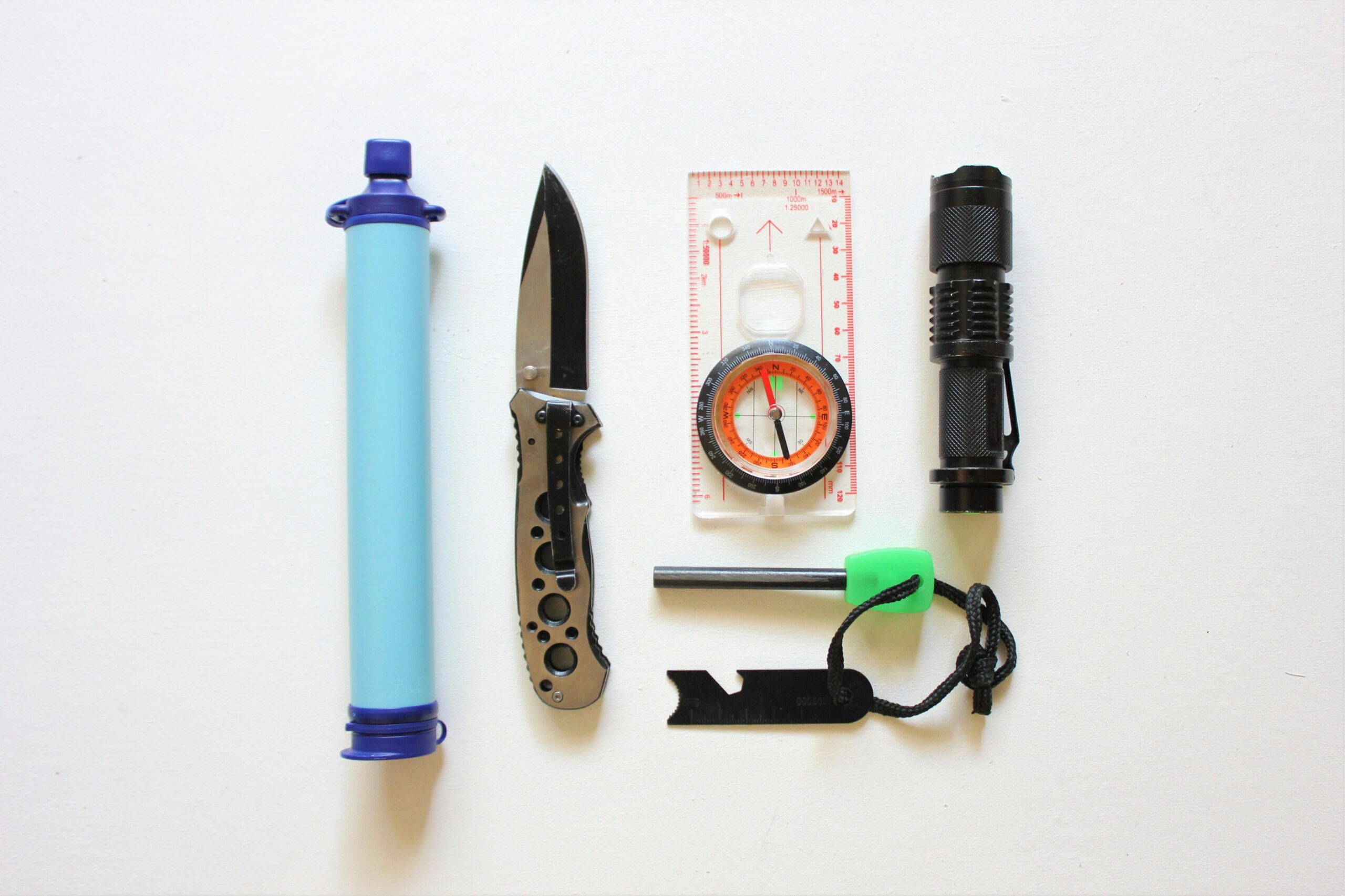
Modern fire-starting tools should supplement—not replace—your primitive skills. Quality ferrocerium rods generate sparks in wet conditions and last for thousands of strikes. Keep multiple fire-starting tools distributed across your gear, vehicle, and home. Waterproof matches, lighters, and magnesium bars each have unique advantages in different scenarios.
Understanding fire ecology is equally important. Learn which materials make the best tinder, kindling, and fuel wood in your region. Master fire lay techniques including teepee, log cabin, and lean-to configurations. Practice building fires in adverse conditions—rain, snow, wind, and with damp materials—since emergencies rarely occur during perfect weather.
Fire Safety and Responsible Practice
Always prioritize safety when working with fire. Clear a wide area around your fire site, keep water or sand nearby for extinguishing, and never leave fires unattended. Practice Leave No Trace principles by using established fire rings when available and completely extinguishing all fires before leaving.
💧 Water Procurement and Purification Essentials
The human body can survive weeks without food but only days without water, making water skills absolutely critical for survival. Knowing how to locate, collect, and purify water from various sources is a skill that could literally save your life.
Begin by learning to identify potential water sources in different environments. Streams, rivers, lakes, and springs are obvious choices, but also learn to recognize signs of underground water, collect dew and rainwater, and extract moisture from plants when necessary.
Water purification methods vary in effectiveness, speed, and convenience:
- Boiling: The most reliable method that kills all pathogens when water reaches a rolling boil for at least one minute (three minutes at higher elevations)
- Chemical treatment: Iodine or chlorine dioxide tablets are lightweight and effective against most organisms, though taste can be unpleasant
- Filtration systems: Modern portable filters remove bacteria and protozoa but may not eliminate viruses or chemicals
- UV purification: Ultraviolet light devices effectively neutralize microorganisms in clear water
- Distillation: The only method that removes heavy metals, salts, and most chemicals along with pathogens
Master at least three different purification methods so you’re never dependent on equipment that might fail or supplies that might run out. Practice building improvised filters using sand, charcoal, and gravel, and learn solar still construction for desert environments.
🏡 Shelter Building for Various Environments
Exposure kills faster than dehydration in many survival situations, making shelter construction a top priority skill. Your body’s core temperature must remain within a narrow range, and proper shelter provides the protection necessary to maintain that balance.
The type of shelter you build depends entirely on your environment, available materials, weather conditions, and how long you expect to need it. Start by mastering basic debris huts and lean-to shelters, which can be constructed quickly using natural materials found in most wooded areas.
A well-constructed debris hut provides remarkable insulation. The key is creating a thick layer of dead leaves, grass, pine needles, or other dry organic material around a sturdy frame. This insulation should be at least two feet thick on all sides to provide adequate protection from cold temperatures.
Advanced Shelter Techniques
As your skills progress, learn more sophisticated shelter types including wickiups, quinzhees, snow caves, and tarp configurations. Each design offers specific advantages in particular conditions. Snow shelters, for instance, can maintain surprisingly comfortable temperatures even when external conditions are life-threatening.
Understanding shelter placement is as important as construction technique. Look for natural windbreaks, avoid low-lying areas where cold air settles, stay away from dead trees or widow-makers that might fall, and consider proximity to water and firewood. Never build in dry stream beds or areas prone to flooding.
🌾 Food Production and Foraging Knowledge
While humans can survive several weeks without food, the ability to procure nutrition significantly impacts your physical capabilities, mental clarity, and long-term survival prospects. Developing diverse food acquisition skills ensures you’re never dependent on a single source.
Foraging wild edibles requires careful study and absolute certainty in plant identification. Many edible plants have toxic look-alikes, making mistakes potentially fatal. Start by learning five to ten common edible plants in your area, studying them through all seasons until you can identify them with complete confidence.
Invest in quality field guides specific to your region and consider taking courses with experienced foragers. Learn not just which plants are edible, but when to harvest them, which parts to use, and how to prepare them properly. Some plants require specific processing to remove toxins or improve digestibility.
Sustainable Hunting and Fishing Skills
Primitive trapping and snaring techniques allow you to harvest protein with minimal energy expenditure. Learn to construct deadfalls, snares, and fish traps using natural materials. Study animal behavior, tracks, and signs to improve your success rate while minimizing suffering through quick, humane kills.
Fishing skills translate across environments from streams to oceans. Master multiple techniques including hand lines, nets, traps, and improvised hooks. Learn fish behavior patterns, feeding times, and preferred habitats to maximize your chances of success.
🛠️ Tool Crafting and Equipment Maintenance
The ability to create and maintain tools transforms you from merely surviving to truly thriving. While modern equipment offers convenience, understanding how to craft functional tools from natural materials provides independence from supply chains and retail stores.
Knife skills form the foundation of tool crafting. Learn proper sharpening techniques, wood carving basics, and safe handling procedures. A sharp knife in skilled hands can create an astonishing variety of useful items from simple natural materials.
Practice crafting essential implements including:
- Cordage from plant fibers, bark, and sinew
- Containers from bark, hide, and woven materials
- Cutting tools from stone, bone, and shell
- Weapons for hunting including spears, atlatls, and bows
- Fishing gear including hooks, nets, and traps
Equipment maintenance skills extend the life of your tools and gear significantly. Learn basic sewing to repair clothing and packs, understand metal care to prevent rust and corrosion, and master leather treatment to preserve boots and equipment. These practical skills save money while building self-reliance.
🧭 Navigation Without Technology
GPS devices and smartphone maps have made navigation effortless, but these technologies fail when batteries die, signals drop, or devices break. Traditional navigation skills ensure you can always find your way regardless of technological failures.
Map and compass navigation forms the bedrock of wilderness orientation. Learn to read topographic maps, understand contour lines, identify terrain features, and plot courses. Practice taking bearings, triangulating your position, and following azimuth courses through varied terrain.
Natural navigation techniques allow wayfinding without any tools. Learn to navigate by sun position, star patterns, wind direction, plant growth patterns, and landscape features. Indigenous peoples navigated vast distances using these methods for millennia, and you can too with practice and observation.
Building Mental Maps
Develop your spatial awareness and memory by consciously creating mental maps of areas you travel through. Note landmarks, distances, directions, and distinctive features. This skill dramatically improves your sense of direction and reduces dependence on external navigation aids.
🏥 Medical Knowledge and First Aid Competency
Medical emergencies become exponentially more dangerous when professional help isn’t immediately available. Comprehensive first aid knowledge empowers you to handle injuries and illnesses that would otherwise be life-threatening.
Take professional first aid and CPR courses, but don’t stop there. Wilderness first aid addresses scenarios where evacuation takes hours or days rather than minutes. Learn to manage traumatic injuries, environmental illnesses, infections, and chronic conditions with limited supplies.
Build comprehensive first aid kits for different scenarios—home, vehicle, hiking pack, and bug-out bag. Include not just commercial supplies but also improvised materials and natural remedies. Understand which common plants have medicinal properties in your area, and learn preparation methods for poultices, teas, and salves.
🌱 Long-Term Food Storage and Preservation
True food security comes from producing, preserving, and storing your own provisions. These skills provide independence from grocery stores while ensuring your family’s nutrition during disruptions.
Master multiple preservation methods including canning, dehydrating, fermenting, curing, smoking, and root cellaring. Each technique offers unique advantages for different food types and storage durations. Properly preserved food can remain safe and nutritious for months or even years.
Develop home gardening skills appropriate to your climate and space. Even apartment dwellers can grow significant quantities of food using container gardens, vertical growing systems, and intensive techniques. Focus on high-yield, nutrient-dense crops that store well and provide essential nutrition.
💪 Physical and Mental Preparedness
All the skills and supplies in the world matter little if you lack the physical fitness and mental resilience to use them effectively. Survival situations demand both physical stamina and psychological fortitude.
Build functional fitness through activities that mirror real survival tasks: hiking with weighted packs, carrying water, chopping wood, and performing manual labor. Cardiovascular endurance, practical strength, and physical durability all prove more valuable than isolated gym muscles in genuine emergencies.
Mental preparation is equally crucial. Practice remaining calm under pressure, making decisions with incomplete information, and adapting plans when circumstances change. Exposure to controlled discomfort—cold showers, extended fasts, sleeping outdoors—builds resilience that serves you when comfort isn’t an option.
🤝 Community Building and Skill Sharing
While self-reliance is valuable, no one possesses every skill or can handle every challenge alone. Building community connections with others who share preparedness values multiplies everyone’s capabilities and resources.
Participate in skill-sharing workshops, join preparedness groups, and build relationships with neighbors before emergencies arise. Identify who in your community has specialized knowledge—medical professionals, mechanics, farmers, builders—and develop mutual support networks.
Consider forming or joining a preparedness collective where members contribute different skills, share resources, and coordinate responses to challenges. These groups provide practical support while building the social connections that make communities resilient.
📚 Continuous Learning and Skill Development
Preparedness is a journey rather than a destination. Commit to continuous learning through books, courses, practical experience, and mentorship. Set specific skill goals each season, focusing on areas where your knowledge is weakest.
Document your learning in journals, creating references you can consult during stressful situations when memory fails. Record successful techniques, lessons from failures, seasonal observations, and local resources. This personal knowledge base becomes increasingly valuable over time.
Test your skills regularly under realistic conditions. Weekend camping trips, participation in primitive skills gatherings, and scenario-based exercises reveal gaps in your knowledge while building confidence in your capabilities. Practice turns theory into practical competence.
🔄 Integrating Preparedness Into Daily Life
The most sustainable approach to preparedness involves integrating these skills into your everyday routine rather than treating them as separate activities. Make conscious choices that build self-reliance while enhancing your current lifestyle.
Start gardens that provide fresh food now while building food production skills for the future. Learn to cook from scratch, preserve seasonal abundance, and reduce reliance on processed foods. These practices improve health immediately while developing valuable capabilities.
Choose hobbies and recreation that build useful skills. Hiking develops navigation and outdoor competence. Woodworking creates useful items while teaching tool skills. Hunting and fishing provide recreation now and food security later. These enjoyable activities simultaneously enhance your quality of life and preparedness level.
The path to true self-reliance isn’t about abandoning modern life or living in fear of disaster. Instead, it’s about reclaiming essential human capabilities that previous generations took for granted. Each skill you master increases your independence, confidence, and resilience. Start with the basics, practice consistently, and gradually expand your capabilities. The knowledge and abilities you develop become permanent assets that serve you throughout life, regardless of what challenges arise. Begin today—your future self will thank you for the investment you make in these timeless skills.
