
Anúncios
Life’s unpredictability can leave us feeling vulnerable, but rituals offer a powerful antidote. They transform chaos into order, uncertainty into confidence, and help us navigate everyday risks with greater ease.
🌟 Why Rituals Are More Than Just Habits
Many people confuse rituals with habits, but they’re fundamentally different. While habits are automatic behaviors we perform without thinking, rituals are intentional practices infused with meaning and purpose. They serve as anchors in our daily lives, providing structure when everything else feels unpredictable.
Anúncios
Rituals create psychological safety nets. When you perform a ritual, you’re telling your brain that you’re in control, even when external circumstances suggest otherwise. This sense of agency is crucial for building confidence and reducing the mental load of decision-making in uncertain times.
Research from behavioral psychology shows that rituals can reduce anxiety by up to 40% in high-stress situations. Athletes have known this for decades, which is why they develop pre-game rituals. But you don’t need to be a professional competitor to benefit from this powerful tool.
Anúncios
Understanding the Science Behind Ritual Power
The human brain craves predictability. In evolutionary terms, predictability meant safety—knowing when predators might appear or where food could be found. Today, our threats look different, but our neurological wiring remains the same. Rituals activate the prefrontal cortex, the brain region responsible for planning and decision-making, while simultaneously calming the amygdala, our fear center.
When you engage in a ritual, you’re essentially creating a controlled environment within an uncontrolled world. This paradox is what makes rituals so effective. You’re not eliminating risk or uncertainty; you’re training your mind to respond to them differently.
Neuroscientists have discovered that rituals trigger the release of dopamine, the reward chemical in our brains. This neurochemical response reinforces the behavior, making it easier to maintain over time. More importantly, it creates positive associations with challenging situations, transforming dread into anticipation.
The Psychological Architecture of Confidence
Confidence isn’t something you’re born with—it’s something you build, brick by brick. Rituals provide the scaffolding for this construction. Each time you complete a ritual successfully, you’re adding evidence to your mental database that says, “I can handle this.”
This evidence accumulation is crucial because our brains are wired with a negativity bias. We remember failures more vividly than successes. Rituals counteract this bias by creating consistent positive reference points. Over time, these reference points become your default mental state, replacing anxiety with assurance.
🎯 Designing Rituals for Different Life Domains
The most effective rituals are tailored to specific areas of your life where uncertainty creates the most stress. Let’s explore how to craft rituals that address your unique challenges.
Morning Rituals: Setting Your Daily Foundation
The first hours of your day set the tone for everything that follows. A morning ritual doesn’t need to be elaborate—it needs to be consistent. The power comes from repetition, not complexity.
Consider starting with a simple three-step sequence: hydration, movement, and intention-setting. Drinking a glass of water signals to your body that you’re awake and ready. Five minutes of stretching or light exercise activates your cardiovascular system. Finally, writing down three priorities for the day gives your mind direction.
This ritual addresses the morning uncertainty many people face: “What should I focus on today?” By answering this question first thing, you’ve eliminated one significant decision and created momentum.
Work Transition Rituals: Bridging Personal and Professional
One of the most challenging aspects of modern work life, especially for remote workers, is the blurred boundary between personal and professional time. Transition rituals create clear psychological markers that signal mode changes.
Before starting work, try a five-minute ritual: clear your workspace, review your calendar, and set a timer for your first focused work session. This simple sequence tells your brain, “It’s time to switch gears.” The physical act of clearing space is particularly powerful—it’s a metaphor your subconscious understands.
At the end of the workday, reverse the process. Close all work applications, write down three achievements from the day (no matter how small), and physically leave your workspace. These actions create closure, preventing work anxiety from bleeding into your personal time.
Decision-Making Rituals: Reducing Choice Paralysis
We make thousands of decisions daily, and each one depletes our mental energy. Decision-making rituals conserve this precious resource by creating frameworks that simplify choices.
For important decisions, establish a ritual that includes these steps: define the problem clearly in writing, identify three possible solutions, sleep on it for one night, then choose. This ritual removes the pressure of instant decision-making while ensuring you’re not overthinking.
For routine decisions, create default choices. Steve Jobs wore the same outfit daily not because he lacked fashion sense, but because he understood decision fatigue. You can apply this principle to meals, workout times, or email-checking schedules.
📊 Measuring the Impact of Your Rituals
To truly master rituals, you need to track their effectiveness. What gets measured gets improved. Here’s a simple framework for evaluating your rituals:
| Ritual Type | Frequency | Key Metric | Success Indicator |
|---|---|---|---|
| Morning Routine | Daily | Energy Level at 10am | 7/10 or higher |
| Work Transition | Twice Daily | Focus Duration | 90+ minutes sustained |
| Evening Wind-Down | Daily | Sleep Quality | Wake feeling refreshed |
| Weekly Planning | Weekly | Goals Achieved | 80% completion rate |
Track these metrics for at least 30 days before making adjustments. This timeline allows patterns to emerge and prevents premature optimization based on outlier days.
💪 Overcoming Common Ritual Obstacles
Even with the best intentions, establishing rituals faces predictable challenges. Anticipating these obstacles is half the battle.
The Perfectionism Trap
Many people abandon rituals because they miss a day or don’t perform them “perfectly.” This all-or-nothing thinking is counterproductive. Rituals are frameworks, not prisons. If you miss your morning ritual one day, simply resume it the next day without guilt or self-criticism.
Research shows that missing a ritual occasionally doesn’t significantly impact its long-term benefits, but abandoning it entirely does. Flexibility within structure is the goal—maintain the core elements while allowing for life’s inevitable disruptions.
Avoiding Ritual Rigidity
While consistency is important, rituals should adapt to changing circumstances. A morning ritual that works in summer might need adjustment in winter. Your work transition ritual may differ on high-stress days versus routine ones.
Build variation into your rituals. Have a “full version” for ideal circumstances and a “minimal viable version” for challenging days. On a hectic morning, your full 30-minute routine might compress to a 5-minute essentials-only version. The key is maintaining the ritual framework, even if abbreviated.
Managing Social Expectations
Rituals sometimes conflict with social obligations. Family members might not understand why you need 15 minutes of solitude each morning. Colleagues might question why you’re unavailable during certain hours.
Communication is essential. Explain that these practices improve your effectiveness and mood, benefiting everyone around you. Most people respect boundaries when they understand the reasoning. Frame your rituals as investments in your ability to show up better for others, which is entirely true.
🔄 The Compounding Effect of Ritual Consistency
The true power of rituals reveals itself over months and years, not days and weeks. This is the compounding effect—small, consistent actions accumulating into significant transformations.
Consider a simple ritual of reading ten pages daily. This feels insignificant on any given day, but over a year, you’ll complete approximately 12 books. That’s 12 books more than the average person reads annually, dramatically increasing your knowledge base and perspective.
This principle applies to every ritual. A five-minute morning meditation seems trivial until you realize it’s over 30 hours of mindfulness practice annually. A brief evening gratitude practice creates thousands of positive mental references over time, literally rewiring your brain toward optimism.
Creating Ritual Chains
Once you’ve established one successful ritual, you can create chains by linking new behaviors to existing ones. This strategy, called habit stacking, leverages the neural pathways you’ve already developed.
For example, after your morning coffee (existing ritual), you might add three minutes of journaling (new ritual). The coffee acts as a trigger, making the new behavior easier to remember and maintain. Over time, the chain becomes automatic, requiring minimal willpower.
🌈 Rituals for Emotional Regulation and Risk Management
Perhaps the most valuable application of rituals is emotional regulation—the ability to manage your responses to stress, uncertainty, and setbacks. This skill directly impacts how you perceive and handle everyday risks.
When facing a difficult conversation, establish a pre-conversation ritual: take five deep breaths, remind yourself of your intention (understanding, not winning), and visualize a positive outcome. This ritual activates your rational brain before emotions can hijack the interaction.
For processing difficult emotions, create a containment ritual. When anxiety or anger arises, acknowledge the emotion, write it down, and schedule specific time later to address it properly. This prevents emotional flooding while ensuring you don’t suppress important feelings.
Building Resilience Through Reflection Rituals
Weekly or monthly reflection rituals transform experiences into wisdom. Set aside time to review what went well, what didn’t, and what you learned. This practice turns mistakes from threats into data, fundamentally changing how you perceive risk.
Structure your reflection with these questions: What am I proud of? What challenged me? What would I do differently? What am I grateful for? These questions create a balanced perspective, preventing both complacency and self-criticism.
🚀 Advanced Ritual Strategies for Maximum Impact
Once you’ve mastered basic rituals, you can implement advanced strategies that multiply their effectiveness.
Environmental Design
Your environment either supports or sabotages your rituals. Design spaces that make rituals effortless. If you have a morning stretching ritual, keep a yoga mat permanently unrolled in a visible location. If you’re building a reading ritual, create a dedicated reading corner with good lighting and minimal distractions.
Environmental cues dramatically reduce the activation energy required to start a ritual. When everything is ready and visible, you eliminate the friction that often prevents follow-through.
Social Rituals for Accountability
While many rituals are solitary, incorporating social elements can increase adherence. Weekly check-ins with an accountability partner, family meal rituals, or group exercise sessions add social reinforcement to personal commitment.
The key is choosing rituals where social pressure helps rather than hinders. Some practices, like meditation, are deeply personal and might suffer from external accountability. Others, like regular exercise or creative projects, benefit enormously from community support.
Seasonal Ritual Adjustments
Align your rituals with natural rhythms and seasons. Your body and mind respond differently in summer versus winter, during high-energy phases versus recovery periods. Rigid adherence to identical rituals year-round ignores these variations.
Consider having summer and winter versions of your routines. Summer might emphasize outdoor activities and social connection, while winter focuses on reflection and skill-building. This seasonal approach keeps rituals fresh and aligned with your changing needs.
🎭 Transforming Anxiety into Anticipation
The ultimate goal of ritual mastery is transforming your relationship with uncertainty. Instead of dreading unpredictable situations, you begin to trust your ability to handle them. This shift—from anxiety to anticipation—represents true confidence.
Rituals don’t eliminate risk or guarantee outcomes. They do something more valuable: they ensure you show up as your best self, regardless of circumstances. When you know you have reliable processes for managing stress, making decisions, and maintaining emotional balance, external uncertainty becomes less threatening.
This confidence radiates into every aspect of life. You take calculated risks more readily because you trust your ability to handle potential downsides. You pursue opportunities that might have previously seemed too uncertain. You become comfortable with discomfort, knowing you have rituals that will help you process and grow from challenges.
🔑 Your Ritual Implementation Blueprint
Ready to harness the power of rituals? Follow this implementation sequence:
- Start with one ritual: Choose the area of greatest struggle—morning chaos, work stress, or evening anxiety—and design one simple ritual to address it.
- Make it ridiculously easy: Your first ritual should take five minutes or less. Success breeds motivation for expansion.
- Commit to 30 days: Give your ritual one month before evaluating effectiveness. This allows habit formation to occur.
- Track without judgment: Note completion daily, but don’t criticize missed days. Simply observe patterns.
- Adjust based on data: After 30 days, refine your ritual based on what worked and what didn’t.
- Add gradually: Only introduce a second ritual after the first feels automatic, typically 4-8 weeks.
- Build ritual chains: Link new rituals to established ones for easier implementation.
- Celebrate small wins: Acknowledge your consistency regularly. This reinforces the behavior neurologically.
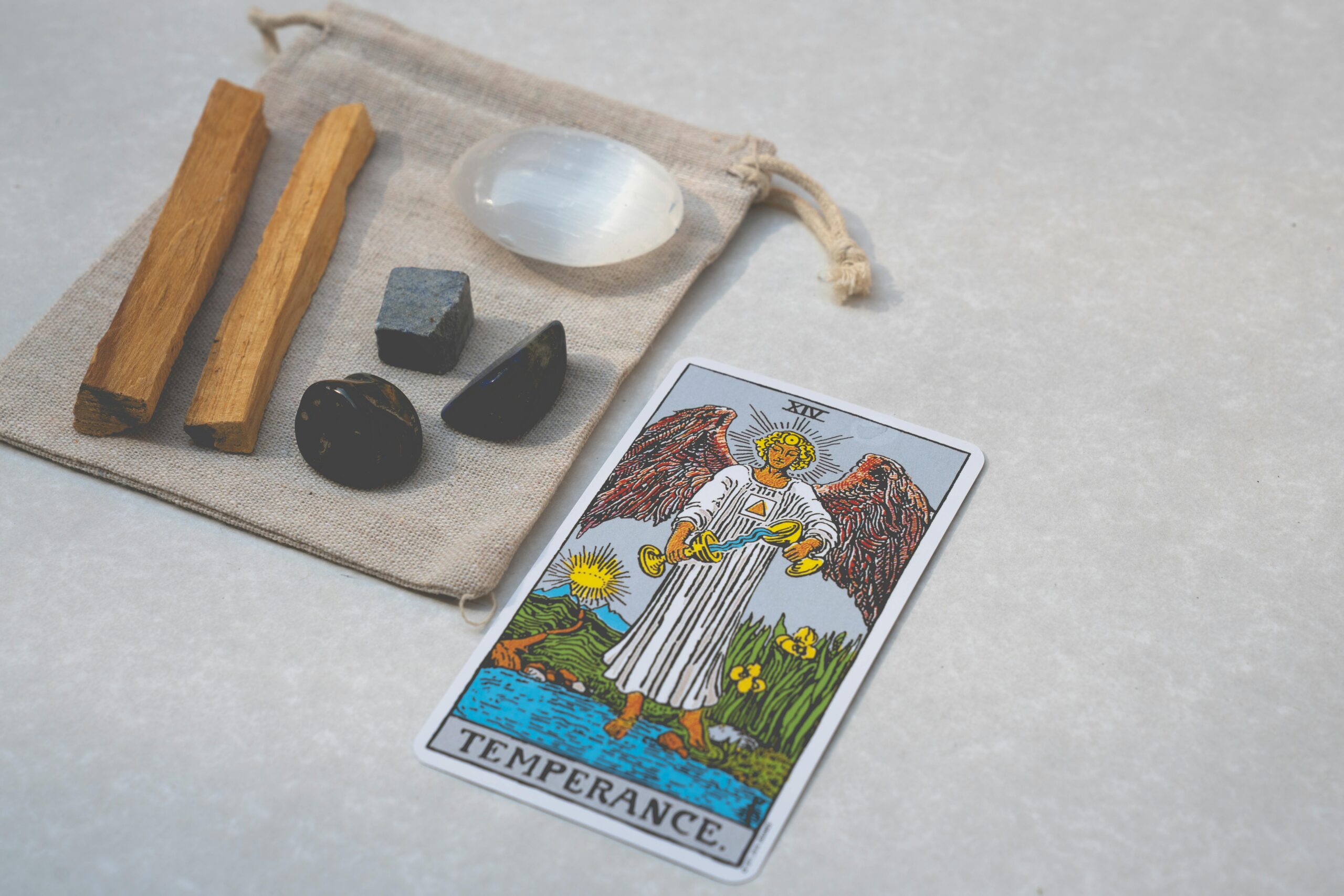
Living with Ritual Mastery
Mastering rituals isn’t about controlling every aspect of life—that’s impossible and exhausting. It’s about creating islands of certainty in an ocean of uncertainty. These islands become launching points for courage, creativity, and growth.
When you trust your rituals, you free mental energy for what truly matters. You stop wasting cognitive resources on routine decisions or anxiety management. Instead, that energy fuels meaningful work, deeper relationships, and personal development.
The transformation happens gradually, almost imperceptibly. One day, you realize that situations that once triggered anxiety now feel manageable. Challenges that seemed overwhelming now appear as puzzles to solve. Uncertainty shifts from threat to possibility.
This is the ultimate power of rituals: they don’t just help you cope with life’s risks and uncertainties—they help you thrive within them. By establishing reliable processes for managing your internal world, you become unshakeable in the external one. The confidence you build through consistent rituals becomes the foundation for a life of meaning, purpose, and resilience.
Start today with one simple ritual. Commit to consistency over perfection. Trust the process, and watch as small, intentional actions transform your relationship with uncertainty, risk, and ultimately, yourself. The power is in your hands—or more precisely, in the rituals you choose to embrace. 🌟
