
Anúncios
Oral traditions have shaped human identity for millennia, weaving stories, knowledge, and cultural wisdom into the fabric of communities worldwide. 🌍
From ancient fireside gatherings to modern digital recordings, the transmission of knowledge through spoken word represents humanity’s oldest educational system. These living traditions continue to breathe life into cultural heritage, connecting past generations with present communities while preserving invaluable wisdom that might otherwise vanish into silence.
Anúncios
The urgency of documenting and preserving oral survival traditions has never been greater. As indigenous languages disappear at alarming rates—one every two weeks according to UNESCO—we lose not just words, but entire worldviews, survival techniques, medicinal knowledge, and philosophical systems that have sustained communities for centuries.
The Living Library: Understanding Oral Survival Traditions 📚
Oral survival traditions encompass far more than simple storytelling. They represent comprehensive knowledge systems that have enabled human communities to thrive in diverse environments, from Arctic tundras to tropical rainforests. These traditions include practical survival skills, environmental wisdom, social codes, spiritual practices, and historical narratives passed down through generations without written documentation.
Anúncios
Unlike written records that remain static on pages, oral traditions evolve dynamically while maintaining core truths. Each telling adapts to new audiences and circumstances, ensuring relevance across changing times. This flexibility has allowed survival knowledge to remain applicable despite technological advances and environmental shifts.
Indigenous communities worldwide have perfected mnemonic devices, rhythmic patterns, and narrative structures that ensure accurate transmission across generations. Australian Aboriginal songlines, for example, encode geographical information, water sources, and navigation routes into melodic sequences that have guided travelers for over 40,000 years.
The Multidimensional Nature of Oral Knowledge
Oral survival traditions operate on multiple levels simultaneously. A single story might contain:
- Practical survival techniques for finding food and water
- Seasonal timing for hunting, fishing, or gathering
- Medicinal plant identification and preparation methods
- Weather prediction based on natural observations
- Social ethics and community responsibility codes
- Spiritual connections to land and environment
- Historical events and ancestral migrations
This layered approach to knowledge transmission ensures that essential survival information reaches learners at different developmental stages, with deeper meanings revealed as understanding matures.
Guardians of Ancient Wisdom: The Role of Elders and Knowledge Keepers 👴👵
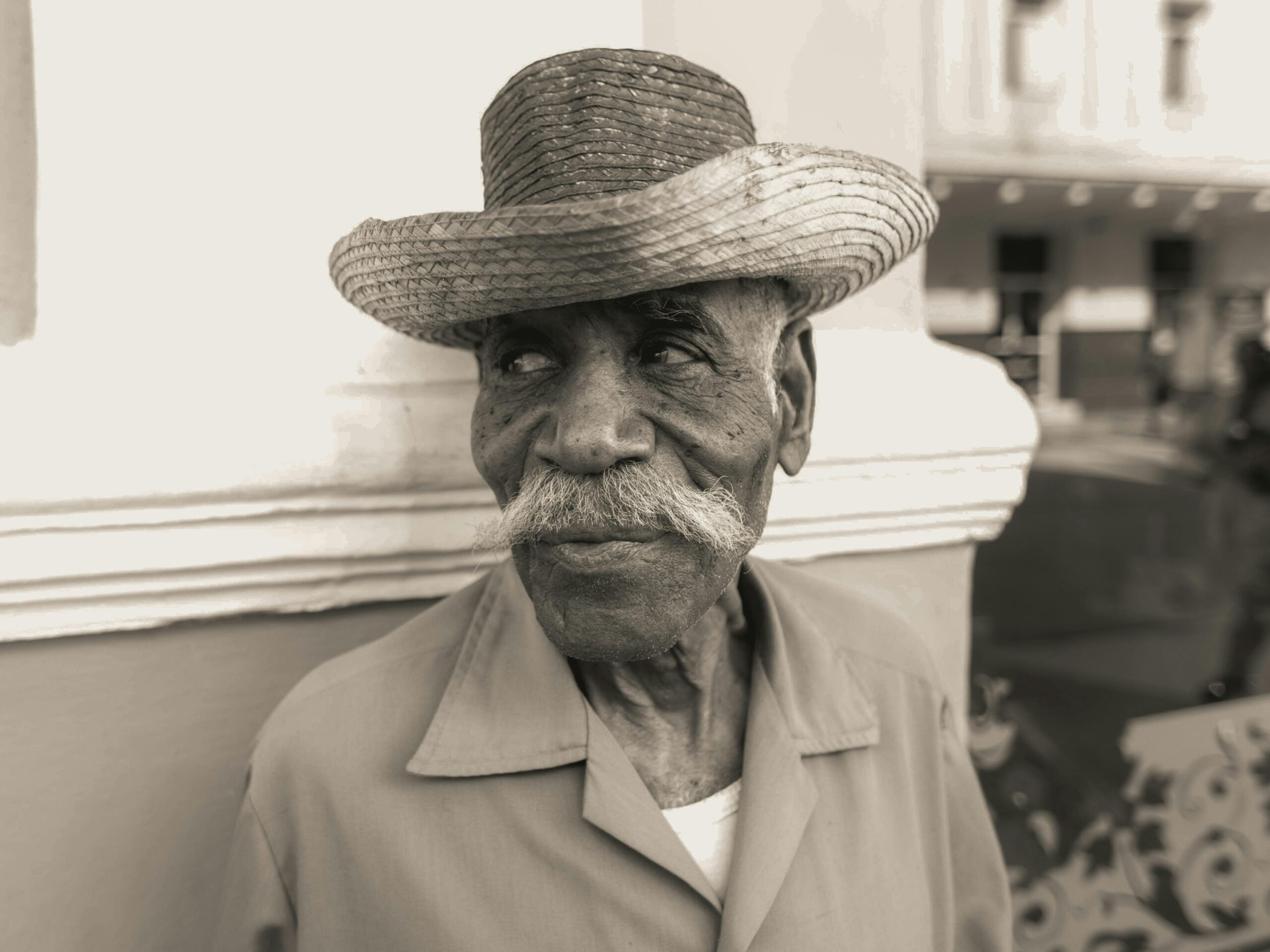
In traditional societies, elders serve as living libraries, carrying decades of accumulated knowledge and experience. These knowledge keepers hold positions of profound respect, recognized not merely for their age but for their mastery of cultural wisdom and their ability to transmit it effectively to younger generations.
The relationship between elder and learner in oral traditions differs fundamentally from modern educational models. Learning occurs through observation, participation, and gradual immersion rather than formal instruction. Knowledge unfolds organically through shared experiences, with teaching moments arising naturally within daily activities.
Many indigenous communities designate specific individuals as memory keepers for particular domains of knowledge. Among the Maori of New Zealand, tohunga (experts) specialize in areas such as navigation, genealogy, agriculture, or healing. This specialization ensures depth of knowledge while interconnected narratives maintain holistic understanding.
Crisis of Continuity in Modern Times
The breakdown of intergenerational transmission represents one of the greatest threats to oral survival traditions today. Urbanization, formal education systems that devalue indigenous knowledge, and the allure of globalized popular culture have created gaps in transmission chains that sustained communities for countless generations.
When elders pass away without having transmitted their knowledge to younger community members, entire knowledge systems disappear irretrievably. This loss extends beyond cultural heritage to include practical survival techniques, environmental management strategies, and medicinal knowledge that might hold solutions to contemporary challenges.
Survival Skills Encoded in Story and Song 🎵
Oral traditions employ sophisticated encoding methods that transform practical information into memorable formats. Stories, songs, proverbs, and riddles serve as mnemonic devices that facilitate retention and accurate transmission of complex information across generations without written aids.
The Inuit of Arctic regions embed survival knowledge in narratives that teach navigation, weather prediction, ice safety, and animal behavior. These stories entertain while educating, ensuring that critical survival information remains engaging for young learners who might otherwise find technical instruction tedious.
Similarly, African griots preserve historical chronicles, genealogies, and social laws through epic performances that can last for hours or days. The rhythmic and melodic elements aid memorization while the dramatic presentation captures attention and emotional investment in the content.
The Science Behind Oral Memory
Modern neuroscience confirms what oral cultures have practiced for millennia: information embedded in narrative, rhythm, and emotion achieves superior retention compared to abstract facts. The brain processes stories differently than isolated data, activating multiple neural regions simultaneously and creating stronger, more accessible memory traces.
Oral traditions leverage these cognitive mechanisms through:
- Narrative arcs that create emotional engagement
- Rhythmic patterns that facilitate memorization
- Repetition with variation that reinforces key concepts
- Multisensory elements that engage multiple memory pathways
- Social context that adds emotional and relational dimensions
Botanical and Ecological Wisdom: Nature’s Pharmacy and Pantry 🌿
Perhaps nowhere is the value of oral survival traditions more evident than in ethnobotanical knowledge. Indigenous communities possess detailed understanding of plant properties, seasonal variations, preparation methods, and ecological relationships developed through millennia of careful observation and experimentation.
The Amazon rainforest alone harbors indigenous knowledge of thousands of plant species with medicinal, nutritional, and practical applications. Shamans and healers can identify plants, understand their properties, know optimal harvesting times, and prepare remedies for specific conditions—all without written reference materials.
This knowledge extends beyond simple plant identification to encompass sophisticated ecological understanding. Traditional fire management practices in Australia, passed down through oral tradition, created mosaic landscapes that supported biodiversity and reduced catastrophic wildfire risk—techniques that modern land managers are now recognizing as invaluable.
Agricultural Knowledge and Food Security
Traditional agricultural wisdom preserved through oral transmission includes crop rotation systems, companion planting techniques, pest management strategies, seed selection and preservation methods, and seasonal timing refined over countless generations.
These systems often demonstrate remarkable sophistication and sustainability. The Three Sisters agricultural system of indigenous North American communities—planting corn, beans, and squash together—exemplifies ecological wisdom that maximizes yield while maintaining soil health, all transmitted orally through stories and practical demonstration.
Contemporary Challenges and Digital Solutions 💻
The digital age presents both unprecedented threats and remarkable opportunities for preserving oral traditions. While technology contributes to the erosion of traditional knowledge transmission, it also offers powerful tools for documentation, preservation, and revitalization.
Language extinction accelerates as younger generations adopt dominant languages for economic opportunity and social participation. However, digital recording technologies now enable comprehensive documentation of languages, dialects, stories, and practical knowledge demonstrations that previous generations could never achieve.
Community-led digital archiving projects worldwide are racing against time to record elders’ knowledge before it disappears. These initiatives employ video, audio, and interactive media to capture not just words but gestures, contexts, and practical demonstrations that bring oral traditions to life.
Balancing Technology with Tradition
The challenge lies in utilizing technology without fundamentally altering the nature of oral transmission. Some communities worry that recording traditions might discourage live transmission, turning dynamic knowledge into static artifacts. Others embrace documentation as insurance against loss while maintaining living practice.
Successful preservation initiatives typically combine digital archiving with active revitalization programs. Recording elders’ knowledge creates resources for language and cultural education programs that engage younger generations in traditional practices, ensuring that knowledge remains living rather than merely archived.
The Universal Value of Oral Heritage in Modern Society 🌟
Oral survival traditions offer more than nostalgic glimpses into the past. They contain practical solutions to contemporary challenges in sustainability, community resilience, mental health, and environmental management. Modern society increasingly recognizes the value of indigenous knowledge systems for addressing climate change, biodiversity loss, and social fragmentation.
Traditional ecological knowledge provides insights into ecosystem management that complement scientific approaches. Indigenous fire management, water conservation techniques, and sustainable harvesting practices demonstrate effectiveness over timeframes that dwarf modern scientific observation periods.
Beyond practical applications, oral traditions model alternative ways of knowing and relating to the world. Their holistic perspectives, which integrate spiritual, social, and practical dimensions, offer counterbalances to the fragmentation and specialization of modern knowledge systems.
Building Bridges Between Traditional and Contemporary Knowledge
The future of oral survival traditions lies not in isolation but in integration. Progressive educational systems now incorporate traditional knowledge alongside conventional curricula, recognizing both as valuable. Scientists increasingly collaborate with indigenous knowledge keepers, combining traditional observations with modern analytical tools.
This synthesis respects the integrity of oral traditions while demonstrating their relevance to contemporary challenges. When traditional ecological knowledge informs conservation strategies or indigenous navigation techniques enhance modern wayfinding, oral traditions prove their enduring value beyond cultural preservation alone.
Personal and Community Resilience Through Story 💪
Oral survival traditions strengthen individual and community resilience by providing identity anchors, ethical frameworks, and proven strategies for overcoming adversity. Stories of ancestral challenges and triumphs offer templates for navigating contemporary difficulties, while traditional practices provide coping mechanisms for stress and trauma.
Many indigenous communities demonstrate remarkable resilience despite historical traumas, drawing strength from oral traditions that maintain cultural continuity and collective identity. The stories remind community members of their ancestors’ survival and adaptation, inspiring confidence in their own capacity to persevere.
Mental health practitioners increasingly recognize the therapeutic value of culturally grounded narrative traditions. Story-based healing approaches that draw on traditional knowledge show particular effectiveness in indigenous communities, where they resonate more deeply than imported therapeutic models.
Practical Steps for Preservation and Revitalization 🛠️
Preserving oral survival traditions requires coordinated efforts at individual, community, and institutional levels. Effective strategies must honor the living nature of oral transmission while creating safeguards against loss.
Community members can contribute by:
- Spending time with elders and actively requesting traditional knowledge
- Learning and practicing traditional skills regularly
- Teaching children through traditional methods of story and demonstration
- Participating in cultural ceremonies and community gatherings
- Supporting documentation projects while maintaining living practice
- Advocating for indigenous language education in schools
Communities benefit from establishing formal programs that create opportunities for knowledge transmission, such as mentorship initiatives pairing elders with youth, cultural camps where traditional skills are practiced, and language immersion programs that restore fluency in endangered tongues.
The Role of Institutions and Governments
Governments and institutions can support oral tradition preservation through policy recognition of indigenous knowledge systems, funding for community-led documentation and revitalization projects, integration of traditional knowledge in formal education curricula, and protection of intellectual property rights for traditional knowledge.
Museums, universities, and archives serve important roles as knowledge repositories, but must work collaboratively with source communities rather than extractively. Best practices involve community control over access and use of recorded traditions, ensuring that cultural knowledge serves community interests rather than merely academic or commercial purposes.
Weaving the Future with Threads from the Past 🧵
The preservation of oral survival traditions represents far more than heritage conservation. It safeguards humanity’s accumulated wisdom, maintains cultural diversity, protects practical knowledge systems, and ensures that future generations inherit the full richness of human experience and adaptation.
As environmental and social challenges intensify globally, the alternative perspectives and proven strategies embedded in oral traditions become increasingly valuable. These knowledge systems offer time-tested approaches to sustainable living, community cohesion, and harmonious relationships with natural environments—exactly what modern society desperately needs.
The voice of generations speaks not from dusty archives but through living practice, shared stories, and continued transmission. Every individual who learns a traditional skill, every elder who shares a story, every community that prioritizes cultural knowledge—these acts of preservation and transmission ensure that ancient wisdom continues to guide humanity forward.
The vibrant heritage of oral survival traditions deserves not just preservation but celebration and integration into contemporary life. By honoring these knowledge systems, learning from their wisdom, and ensuring their transmission to future generations, we enrich our collective human experience while securing invaluable resources for navigating the uncertainties ahead. 🌈
