
Anúncios
Learning to make the best recipes is a journey that combines creativity, technique, and passion for food. With the right guidance and resources, anyone can transform simple ingredients into extraordinary dishes.


Cooking is more than just following instructions—it’s about understanding flavors, mastering techniques, and developing your own culinary voice. Whether you’re a complete beginner or looking to refine your skills, the path to creating amazing recipes starts with building a solid foundation and staying curious about the endless possibilities in the kitchen.
Anúncios
The beauty of learning to cook lies in the fact that every meal becomes an opportunity to experiment, grow, and share joy with others. From simple weeknight dinners to elaborate celebration feasts, mastering recipes opens doors to cultural exploration, healthier eating habits, and the satisfaction of creating something delicious with your own hands.
🍳 Building Your Foundation: Essential Cooking Skills

Before diving into complex recipes, it’s crucial to master the fundamental techniques that form the backbone of all great cooking. These skills will serve you throughout your culinary journey, regardless of which cuisine or dish you’re preparing.
Anúncios
Start with knife skills—learning how to properly hold a knife, execute different cuts like julienne, dice, and chiffonade, and maintain a safe cutting technique. This single skill will dramatically improve your efficiency and confidence in the kitchen. Practice on vegetables like onions, carrots, and peppers until these movements become second nature.
Understanding heat control is another cornerstone of excellent cooking. Learn the difference between sautéing, searing, braising, and simmering. Each technique requires specific temperature ranges and produces distinct results. Experimenting with heat levels while cooking simple eggs or chicken breasts can teach you invaluable lessons about timing and temperature management.
Seasoning properly transforms bland dishes into memorable meals. Salt enhances natural flavors rather than just making food salty. Learn to season in layers throughout the cooking process rather than only at the end. Taste as you go and adjust accordingly—this habit separates good cooks from great ones.
Understanding Recipe Structure
Every well-written recipe follows a logical structure that guides you from raw ingredients to finished dish. Familiarizing yourself with this structure helps you follow recipes more effectively and eventually create your own variations.
Recipes typically begin with an ingredient list organized in order of use. Read through the entire recipe before starting to identify any preparation that needs to happen in advance, such as marinating meat or bringing ingredients to room temperature. This prevents mid-recipe surprises that can derail your cooking flow.
Pay attention to recipe yields and timing estimates. Understanding how many servings a recipe produces helps with meal planning, while time estimates let you coordinate multiple dishes for a complete meal. However, treat timing as a guideline—your actual cooking time may vary based on equipment, ingredient variations, and experience level.
📚 Choosing the Right Resources for Learning
The abundance of cooking resources available today can feel overwhelming, but selecting quality sources that match your learning style makes all the difference. Different formats work better for different people, so explore various options to find what resonates with you.
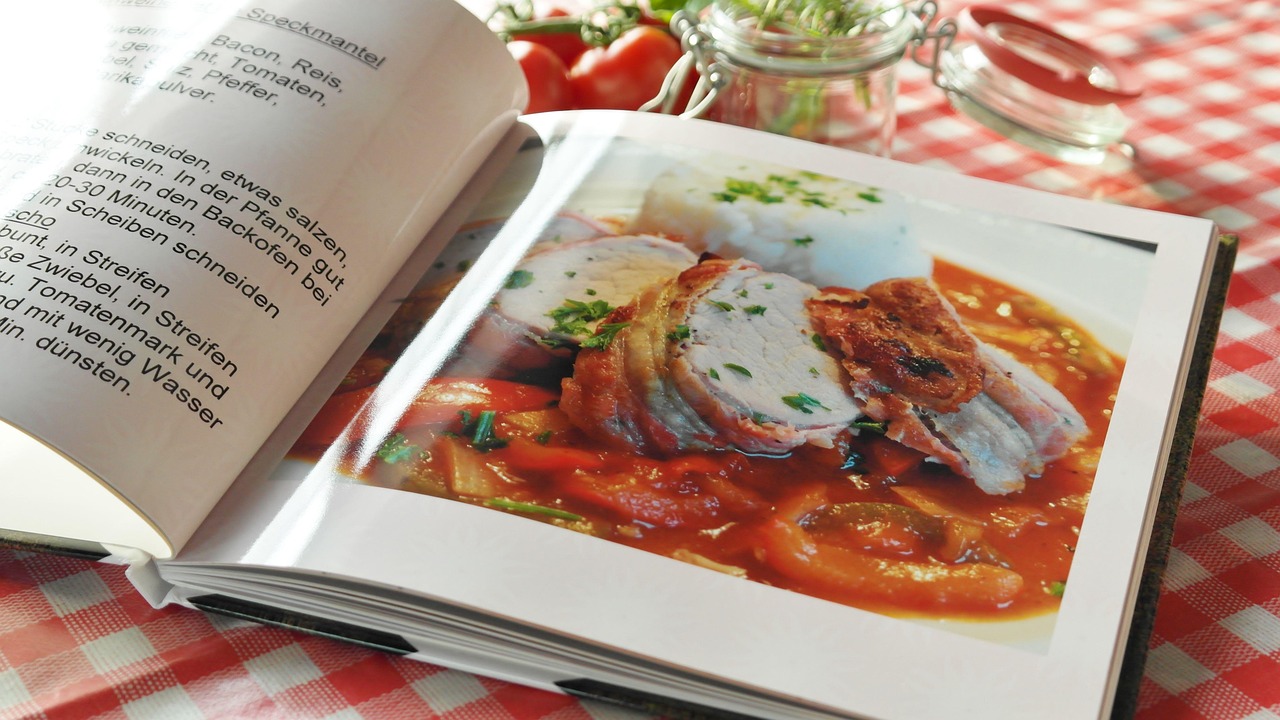
Cookbooks remain valuable resources, especially those that explain techniques alongside recipes. Look for books written by reputable chefs or culinary schools that emphasize fundamentals. Classic cookbooks like “The Joy of Cooking” or “Salt, Fat, Acid, Heat” provide comprehensive foundations that serve cooks for decades.
Online cooking platforms and video tutorials offer visual learning that many find more accessible than written instructions. Watching a chef demonstrate a technique clarifies movements and timing that text descriptions sometimes struggle to convey. Pause, rewind, and rewatch sections as needed until you grasp each step.
Mobile recipe apps have revolutionized home cooking by providing instant access to thousands of tested recipes, step-by-step guidance, and features like ingredient scaling and shopping list creation. These tools make cooking more convenient and help build your recipe repertoire efficiently.
Learning from Cooking Communities
Joining cooking communities—whether online forums, social media groups, or in-person cooking classes—accelerates your learning through shared experiences and collective knowledge. These communities offer troubleshooting help, recipe recommendations, and inspiration when you’re feeling stuck in a culinary rut.
Engage actively by asking questions, sharing your results, and learning from others’ mistakes and successes. Many experienced home cooks generously share tips they’ve discovered through years of trial and error, saving you time and frustration in your own kitchen experiments.
🥘 Starting with Versatile Base Recipes
Rather than attempting to memorize hundreds of recipes, focus on mastering versatile base recipes that you can adapt and customize. This approach builds your cooking intuition and makes you less dependent on following exact instructions for every meal.
A basic tomato sauce serves as the foundation for countless dishes—pasta sauces, pizza toppings, braising liquids, and soup bases. Once you’ve mastered a simple version with onions, garlic, canned tomatoes, and herbs, you can experiment with additions like cream, wine, vegetables, or different protein sources to create entirely new dishes.
Learning to make a proper vinaigrette opens up endless salad possibilities. The basic ratio of three parts oil to one part acid (vinegar or citrus juice) provides a template you can customize with different oils, vinegars, mustards, herbs, and sweeteners. This single skill transforms simple greens into restaurant-quality salads.
Master a basic stir-fry technique and you’ll never be stuck wondering what to make for dinner. The method remains consistent—high heat, quick cooking, constant movement—while ingredients can vary infinitely based on what’s available in your refrigerator. This flexibility makes stir-fries perfect for beginner cooks building confidence.
The Power of Mise en Place
The French culinary concept of mise en place—meaning “everything in its place”—revolutionizes your cooking experience. Before you turn on any heat, prepare and organize all ingredients and tools you’ll need. Chop vegetables, measure spices, gather bowls and utensils, and arrange everything within easy reach.
This preparation eliminates the stress of scrambling mid-recipe, reduces mistakes, and helps you focus on technique rather than logistics. Professional chefs rely on mise en place for efficiency, and home cooks benefit equally from this disciplined approach.
🌶️ Understanding Flavor Building
The best recipes don’t just combine ingredients—they build layers of flavor that create complexity and depth. Understanding how flavors develop and interact transforms you from a recipe-follower into a confident cook who can adjust and improve any dish.
The Maillard reaction—the browning that occurs when proteins and sugars are heated—creates rich, complex flavors in meat, vegetables, and baked goods. Don’t rush this step by crowding the pan or using insufficient heat. Give ingredients space and time to develop that golden-brown exterior that adds so much flavor.
Balancing the five tastes—sweet, salty, sour, bitter, and umami—creates satisfying dishes that keep you coming back for another bite. If something tastes flat, consider which element might be missing. A squeeze of lemon adds brightness, a pinch of sugar rounds out acidity, and a dash of soy sauce introduces savory depth.
Fresh herbs added at different stages contribute different qualities. Hardy herbs like rosemary and thyme withstand long cooking and infuse dishes with flavor, while delicate herbs like basil and cilantro should be added at the end to preserve their fresh, bright notes. Learning when to add which herbs elevates your cooking significantly.
🔥 Mastering Different Cooking Methods
Each cooking method produces distinct textures and flavors, and understanding when to use each technique expands your recipe repertoire dramatically. Rather than relying solely on one method, diversify your skills to match techniques with ingredients appropriately.
Roasting in a hot oven concentrates flavors through caramelization and moisture evaporation, making it ideal for vegetables, chicken, and larger cuts of meat. The dry heat creates crispy exteriors while maintaining tender interiors, delivering textural contrast that makes dishes more interesting.
Braising combines searing and slow cooking in liquid, transforming tough, inexpensive cuts of meat into fall-apart tender dishes. This forgiving method is perfect for beginners because the long, slow cooking process makes timing less critical and allows flavors to meld beautifully.
Steaming preserves nutrients and natural flavors better than most cooking methods, making it excellent for vegetables and delicate proteins like fish. While it may seem simple, proper steaming requires attention to water levels, timing, and not overcrowding the steamer basket.
Experimenting with Baking and Pastry
Baking requires more precision than stovetop cooking because chemical reactions determine success. Measuring ingredients accurately, following temperature guidelines, and understanding how ingredients interact become critical when making breads, cakes, and pastries.
Start with simple recipes like basic cookies or quick breads that forgive minor variations. As you gain confidence with proportions and techniques, progress to yeasted breads, layer cakes, and eventually pastries. Each success builds your understanding of how flour, fats, leaveners, and liquids work together.
🍴 Planning and Meal Preparation Strategies
Learning to make great recipes extends beyond cooking individual dishes—it includes planning complete meals, managing your time efficiently, and ensuring you have necessary ingredients on hand. These organizational skills make cooking less stressful and more enjoyable.
Weekly meal planning saves time, money, and mental energy. Dedicate time each week to selecting recipes, creating shopping lists, and thinking through your cooking schedule. This planning prevents last-minute takeout decisions and ensures you use ingredients before they spoil.
Batch cooking and strategic prep work multiply your efficiency. Prepare ingredients that appear in multiple recipes simultaneously—chop a large batch of onions, cook several portions of grains, or marinate proteins for upcoming meals. These preparations make weeknight cooking significantly faster.
Building a well-stocked pantry means you’re always equipped to create something delicious. Essential staples like olive oil, dried pasta, canned tomatoes, rice, beans, onions, garlic, and basic spices enable countless recipes without requiring a shopping trip for every meal.
💡 Learning from Mistakes and Building Confidence
Every accomplished cook has faced kitchen disasters—burned sauces, oversalted dishes, and baking catastrophes. The difference between those who become great cooks and those who give up lies in how they respond to these inevitable setbacks.
When something goes wrong, analyze what happened rather than simply feeling discouraged. Was the heat too high? Did you skip a step? Was a substitution inappropriate? Understanding the cause prevents repetition and deepens your cooking knowledge more effectively than perpetual success would.
Keep a cooking journal to track recipes you’ve tried, modifications you made, and results you achieved. This record becomes an invaluable personal reference that helps you refine recipes over time and remember which versions of dishes your family enjoyed most.
Start with recipes rated as easy or beginner-friendly, and gradually challenge yourself with more complex preparations as your skills improve. This progressive approach builds confidence through achievable successes rather than overwhelming you with techniques beyond your current ability level.
Embracing Creativity and Personalization
Once you’ve mastered the basics, recipes become suggestions rather than strict rules. Understanding why recipes work allows you to make intelligent substitutions based on dietary needs, ingredient availability, or personal preferences.
Experiment with flavor profiles from different cuisines by swapping spice blends, herbs, and aromatics. A basic chicken and vegetable dish transforms dramatically when seasoned with Italian herbs versus curry spices versus Mexican chilies. This experimentation expands your culinary vocabulary without requiring entirely new techniques.
🌟 Developing Your Signature Style
As you gain experience, you’ll naturally develop preferences, strengths, and a personal cooking style that reflects your taste and interests. Embrace this evolution rather than feeling obligated to master every cuisine or technique.
Some cooks gravitate toward quick, weeknight-friendly recipes while others enjoy elaborate weekend projects. Some prefer baking’s precision while others thrive on improvisational stovetop cooking. Neither approach is superior—find what brings you joy and focus your learning there.
Your signature dishes—those recipes you’ve made repeatedly and perfected—become part of your identity and what friends and family request for gatherings. These recipes represent the culmination of technique, personalization, and practice, showcasing how far your cooking skills have progressed.
Share your knowledge with others who are beginning their cooking journeys. Teaching reinforces your own understanding, builds community, and spreads the joy of home cooking. The recipes you create and share become part of your legacy, passed down and adapted by future generations.
🎯 Setting Achievable Cooking Goals
Continuous improvement in cooking comes from setting specific, achievable goals that push your boundaries without overwhelming you. These goals provide direction and motivation as you expand your skills and recipe collection.
Challenge yourself to master one new technique each month—whether that’s perfecting homemade pasta, learning proper knife sharpening, or understanding sauce reduction. Focused practice on specific skills creates competence faster than randomly attempting different recipes without purpose.
Explore a new cuisine every few months by researching its characteristic ingredients, flavor profiles, and cooking methods. Cook several recipes from that tradition to understand its principles rather than just making one isolated dish. This deep dive approach builds authentic understanding.
Commit to cooking a certain number of meals per week at home, gradually increasing frequency as cooking becomes more efficient and enjoyable. Consistency builds skill faster than sporadic practice, and regular cooking makes techniques feel natural rather than intimidating.
Your journey to learning the best recipes is personal, ongoing, and infinitely rewarding. With patience, curiosity, and regular practice, you’ll develop skills that nourish both body and soul while creating memories around shared meals. The kitchen transforms from an intimidating space into your creative sanctuary where simple ingredients become extraordinary experiences. Start today, embrace the learning process, and discover the profound satisfaction of cooking truly exceptional food. 🌟
