Anúncios
Storm prediction apps have become essential tools for millions of people worldwide, offering real-time alerts and accurate forecasts to help users stay safe during severe weather events.

Weather-related emergencies cause billions of dollars in damage annually and claim countless lives. Having access to reliable storm prediction technology on your smartphone can make the difference between safety and disaster. Modern meteorological apps leverage advanced radar systems, satellite imagery, and sophisticated algorithms to deliver precise warnings directly to your device.
Anúncios
Whether you’re a sailor navigating coastal waters, a farmer protecting crops, or simply someone planning outdoor activities, understanding how storm prediction apps work and which features matter most can empower you to make informed decisions when severe weather threatens. Let’s explore everything you need to know about these life-saving applications.
🌪️ Why Storm Prediction Apps Matter More Than Ever
Climate patterns are becoming increasingly unpredictable, with extreme weather events occurring more frequently across the globe. Traditional weather forecasts on television or radio often lack the granularity and immediacy that modern technology provides. Storm prediction apps fill this critical gap by delivering hyper-local, minute-by-minute updates tailored to your exact location.
Anúncios
These applications don’t just tell you it might rain tomorrow—they provide detailed information about storm intensity, movement patterns, lightning strike density, wind speeds, and potential flooding risks. This level of precision helps communities prepare adequately, emergency services coordinate responses, and individuals protect their families and property.
The accessibility of smartphone technology means that critical weather information reaches populations that previously had limited access to forecasting services. Rural communities, developing regions, and people in remote areas can now receive the same quality of storm warnings as those in major metropolitan centers.
⚡ Core Features That Define Quality Storm Apps
Not all weather applications are created equal. The best storm prediction apps combine multiple data sources and present information in intuitive, actionable formats. Understanding which features provide genuine value helps you choose the right tool for your needs.
Real-Time Radar Visualization
Advanced radar imagery forms the backbone of effective storm tracking. Quality apps display precipitation intensity using color-coded maps, allowing you to see exactly where storms are forming, how they’re moving, and when they’ll reach your location. The best implementations offer animation features that let you replay recent weather patterns and project future movement.
Look for apps that provide multiple radar layers, including base reflectivity, composite reflectivity, and velocity data. These different views reveal storm structure, rotation patterns that might indicate tornado formation, and the difference between rain, snow, and hail.
Lightning Detection Networks
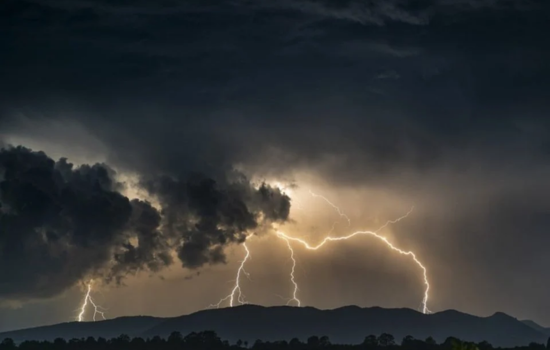
Lightning represents one of the most dangerous aspects of severe storms. Premium storm apps integrate data from ground-based lightning detection networks that pinpoint individual strikes in real-time. This information proves invaluable for outdoor event planners, golfers, construction supervisors, and anyone working in exposed environments.
Some applications even calculate the distance between your location and the nearest lightning activity, helping you determine whether it’s safe to continue outdoor activities or if you should seek shelter immediately.
Push Notifications and Alert Systems
The most sophisticated storm prediction apps monitor conditions constantly and send push notifications when severe weather threatens your area. These alerts should be customizable, allowing you to set thresholds for different warning types—tornado watches, severe thunderstorm warnings, flash flood alerts, and more.
Geofencing technology enables apps to track multiple locations simultaneously, which is perfect for keeping tabs on weather conditions affecting family members in different cities or monitoring properties you own in various regions.
🛰️ The Technology Behind Storm Prediction
Modern storm forecasting relies on an intricate network of data collection systems working together seamlessly. Understanding this technological ecosystem helps users appreciate the complexity behind those simple app interfaces.
Weather satellites orbiting Earth capture continuous imagery of cloud formations, atmospheric temperature gradients, and moisture content. Ground-based Doppler radar stations send out radio waves that bounce off precipitation particles, revealing storm intensity and movement. Weather balloons launched twice daily from hundreds of locations measure atmospheric conditions at various altitudes.
All this raw data feeds into supercomputers running sophisticated numerical weather prediction models. These models simulate atmospheric physics, calculating how current conditions will evolve over hours and days. Machine learning algorithms increasingly enhance these predictions by identifying patterns in historical data that human forecasters might miss.
Storm prediction apps aggregate information from multiple forecast models, radar networks, satellite feeds, and ground observation stations, then synthesize everything into comprehensible visualizations and predictions that non-meteorologists can understand and act upon.

🌊 Specialized Storm Types and Tracking Capabilities
Different meteorological phenomena require distinct tracking approaches. The most comprehensive storm apps provide specialized tools for various weather threats.
Hurricane and Tropical Storm Tracking
During hurricane season, dedicated tracking features become essential for coastal residents and anyone with interests in vulnerable regions. Quality apps display official forecast cones from meteorological agencies, showing the probable path and intensity evolution of tropical systems.
Advanced hurricane modules include storm surge predictions, which estimate coastal flooding potential based on storm characteristics and local geography. Historical storm tracks help users understand how current systems compare to past hurricanes, providing context for threat assessment.
Tornado Detection and Warnings
Tornadoes develop rapidly and can be devastating. Apps with tornado-specific features analyze radar velocity data to identify rotation signatures within thunderstorms—patterns that suggest tornado formation before the funnel becomes visible.
Polygon-based warning displays show exactly which areas are under official tornado warnings, rather than simply highlighting entire counties. This precision helps users determine whether they’re actually in the threatened zone or just nearby.
Winter Storm and Blizzard Forecasting
Cold-weather events require different prediction tools. Snowfall accumulation forecasts, ice storm warnings, and wind chill calculations become critical during winter months. The best apps distinguish between snow, sleet, and freezing rain—distinctions that dramatically affect travel conditions and power infrastructure.
Some applications provide snowfall probability maps and ensemble forecasts that show the range of possible accumulation amounts, helping users understand forecast uncertainty for better planning.
📱 User Experience and Interface Design Considerations
Even the most accurate data becomes useless if presented in confusing ways. User interface design separates good storm apps from great ones.
The ideal weather application opens directly to your current location’s forecast without requiring navigation through multiple screens. Critical information—current conditions, hourly forecast, and active alerts—should be immediately visible. Color schemes must be intuitive, with red indicating dangerous conditions and green representing calm weather.
Customization options let users prioritize the information most relevant to their situations. A pilot needs wind data and visibility forecasts, while a parent planning a birthday party primarily cares about precipitation timing. The ability to configure dashboard widgets and notification preferences makes apps more useful for diverse user needs.
Dark mode has become essential for nighttime usage, reducing eye strain when checking conditions during storms that knock out power. Offline functionality ensures you can access previously downloaded radar imagery and forecasts even when cell networks become congested during severe weather events.
🌐 Comparing Popular Storm Prediction Applications
The app marketplace offers dozens of weather applications, each with unique strengths and approaches. Understanding the landscape helps users select tools aligned with their priorities.
Some apps prioritize beautiful visualizations and smooth animations, creating engaging experiences that encourage regular engagement. Others focus on data density, packing maximum information into every screen for professional users who need comprehensive details. Free, ad-supported versions provide basic functionality, while premium subscriptions unlock advanced features like extended forecasts, specialty radars, and ad-free experiences.
Crowdsourced weather apps incorporate user-submitted reports—photos of storm damage, hail size confirmations, and ground truth observations that complement official data sources. This community aspect creates more complete situational awareness during rapidly evolving weather events.
Government weather service apps provide authoritative forecasts directly from national meteorological agencies, ensuring consistency with official warnings and evacuation orders. Private sector alternatives often enhance this official data with proprietary algorithms and additional visualizations.
🔔 Notification Strategies and Alert Fatigue
While timely alerts save lives, excessive notifications train users to ignore warnings—a dangerous phenomenon called alert fatigue. Managing notification settings requires thoughtful configuration.
Start by enabling only the most severe alert categories: tornado warnings, flash flood emergencies, and extreme wind events. As you become comfortable with the app’s accuracy for your location, you can gradually add less critical notification types like watches and advisories.
Geographic precision matters tremendously. Apps that send countywide alerts may notify you about storms affecting areas 50 miles away, creating unnecessary anxiety. Location-based notifications with adjustable radius settings ensure you only receive alerts for weather actually threatening your immediate vicinity.
Quiet hours prevent non-emergency alerts from disrupting sleep while still allowing life-threatening warnings through. Some apps offer separate notification channels for different severity levels, leveraging Android and iOS operating system features that let users control sound, vibration, and display behavior independently for each channel.
⛈️ Interpreting Weather Data Like a Meteorologist
Having access to professional-grade weather tools means little without understanding how to interpret the information. Learning basic meteorology concepts transforms apps from passive notification systems into powerful decision-making tools.
Radar reflectivity values indicate precipitation intensity—light drizzle appears in greens and blues, while heavy downpours and hail show up in yellows, oranges, and reds. Values exceeding 60 dBZ (decibels of reflectivity) suggest very intense precipitation, possibly including large hail.
Velocity data reveals wind movement within storms. Bright green and red colors appearing adjacent to each other indicate rotation—the classic signature of tornadic supercells. Understanding these patterns helps you assess whether an approaching storm poses ordinary rain risks or potentially deadly tornado threats.
Atmospheric pressure trends provide valuable context. Rapidly falling barometric pressure often precedes storm intensification, while rising pressure suggests improving conditions. Dewpoint temperatures indicate atmospheric moisture content—higher dewpoints create more oppressive conditions and fuel for severe thunderstorms.
🚨 Emergency Preparedness and Response Planning
Storm prediction apps should integrate seamlessly into comprehensive emergency preparedness strategies. Technology assists decision-making but cannot replace advance planning and preparation.
Create location-specific action plans for different weather threats. Know where your household will shelter during tornadoes, how you’ll secure outdoor items before hurricanes, and what supplies you need for extended power outages. Configure app alerts to trigger these predetermined responses rather than forcing last-minute decisions during high-stress situations.
Establish communication protocols with family members, especially if severe weather strikes while people are separated. Designated meeting places and out-of-area emergency contacts help families reunite after disasters. Share your storm app’s tracking information with relatives so everyone has consistent situational awareness.
Practice emergency procedures regularly, treating app warnings as drills even when storms ultimately miss your area. This repetition builds familiarity and reduces panic when actual dangerous weather threatens.
🌍 Global Coverage and International Considerations
Weather knows no borders, and quality storm apps provide global coverage with regional customization. Different parts of the world face distinct meteorological challenges requiring specialized features.
Tropical regions prioritize monsoon tracking, cyclone forecasting, and heavy rainfall warnings. Applications serving these areas incorporate local meteorological service data and terminology consistent with regional warning systems. European users need apps that handle multiple languages seamlessly and integrate forecasts from ECMWF (European Centre for Medium-Range Weather Forecasts).
International travelers benefit from apps with comprehensive global radar coverage and automatic location switching. Business professionals managing operations across continents need multi-location monitoring with unified interfaces that present weather data consistently regardless of country.
Data source transparency matters internationally—users should understand whether forecasts come from national weather services, private modeling systems, or hybrid approaches. Regulatory differences affect how weather information is collected and distributed across countries.
🔮 Future Developments in Storm Prediction Technology
Artificial intelligence and machine learning are revolutionizing weather forecasting. Next-generation apps will incorporate neural networks trained on decades of atmospheric data, identifying subtle patterns that improve forecast accuracy and extend useful prediction windows.
Hyperlocal nowcasting—predictions for the next 30 to 120 minutes at street-level resolution—will become increasingly sophisticated. Imagine receiving notifications that rain will begin at your specific address in exactly 17 minutes, giving you precise time to move your car or bring in outdoor furniture.
Integration with smart home systems will automate storm responses. Your connected home might automatically close motorized awnings when wind alerts trigger, adjust HVAC settings before temperature swings, or activate backup power systems when outage risks increase.
Augmented reality features will overlay weather data onto camera views, showing you exactly where storm clouds are forming in the visible sky or displaying wind flow patterns superimposed on your actual environment. These immersive visualizations will make abstract meteorological concepts more tangible and understandable.
💡 Maximizing Value From Your Storm App Investment
Whether using free or premium applications, extracting maximum value requires active engagement beyond passive notification consumption.
Develop the habit of checking forecasts proactively rather than only during active weather events. Regular monitoring helps you understand normal patterns for your location, making anomalies more obvious. Familiarity with your app’s interface during calm weather prevents confusion during emergencies when quick navigation becomes critical.
Experiment with different visualization modes and data layers to discover which presentations work best for your comprehension style. Some people grasp information better through animated radar loops, while others prefer static forecast charts with detailed annotations.
Participate in app community features if available. Reporting conditions from your location improves data quality for everyone while giving you ownership in the collaborative forecasting process. Reading other users’ storm reports provides ground truth that complements theoretical model predictions.
Periodically review and update your notification settings as seasons change and priorities shift. Hurricane alerts matter tremendously during Atlantic hurricane season but create noise during winter months. Adjusting configurations seasonally keeps notifications relevant and actionable.
🏆 Making the Final Selection for Your Needs
Choosing the right storm prediction app depends on your specific circumstances, risk exposure, and information preferences. No single application serves everyone optimally.
Consider your primary weather concerns. Coastal residents should prioritize apps with superior hurricane tracking and storm surge modeling. Midwest residents need excellent tornado detection and severe thunderstorm capabilities. Mountain dwellers require detailed elevation-specific forecasts and lightning tracking for backcountry safety.
Evaluate your technical comfort level honestly. Some apps offer simplified interfaces perfect for casual users who want basic information without overwhelming detail. Others provide professional-grade tools that assume meteorological knowledge and reward users willing to invest time learning advanced features.
Test multiple applications during calm weather periods before committing to premium subscriptions. Most apps offer free trials or ad-supported versions that demonstrate core functionality. Experiencing how different apps present identical weather situations reveals which interfaces and approaches resonate with your decision-making style.
Remember that the best storm prediction app is the one you’ll actually use consistently. Beautiful design and advanced features mean nothing if the interface frustrates you or notifications feel intrusive. Prioritize usability and reliability over feature lists, trusting that the app you open regularly will serve you better than sophisticated tools that remain ignored on your home screen.
Storm prediction technology continues advancing rapidly, transforming smartphones into personal meteorological stations that provide safety, convenience, and peace of mind. By understanding how these applications work, what features matter most, and how to interpret the wealth of data they provide, you empower yourself to face whatever weather comes your way with confidence and preparation. Stay informed, stay safe, and let technology work for you when storms approach. ⛈️
