
Choosing a new hairstyle can be nerve-wracking, but hair simulation apps now let you preview hundreds of looks risk-free before visiting the salon.
We’ve all been there—sitting in the stylist’s chair, showing a picture from Pinterest, and hoping for the best. The disconnect between expectation and reality has led to countless hair disasters. Thankfully, technology has evolved to bridge this gap, offering virtual haircut simulators that use artificial intelligence to show you exactly how different styles will look on your face.
These innovative applications have transformed the way we approach personal grooming decisions. Whether you’re considering a dramatic change or just want to trim a few inches, hair simulation apps provide a safe playground for experimentation. Let’s explore how these tools work, which features matter most, and how to choose the perfect style for your face shape and lifestyle.
🎯 Why Hair Simulation Apps Have Become Essential
The beauty industry has witnessed a digital revolution, with virtual try-on technology becoming increasingly sophisticated. Hair simulation applications represent one of the most practical implementations of augmented reality and artificial intelligence in everyday life.
Traditional hairstyle consultations relied heavily on imagination and trust in your stylist’s interpretation. You’d describe what you wanted, perhaps show a photo of a celebrity, and hope the end result matched your vision. This approach left significant room for miscommunication and disappointment.
Modern hair simulator apps eliminate this guesswork entirely. By uploading your photo or using real-time camera features, these applications map your facial features and accurately overlay different hairstyles, colors, and lengths. The technology accounts for your face shape, skin tone, and even hair texture to provide realistic previews.
Beyond personal use, professional hairstylists have adopted these tools as consultation aids. They help manage client expectations, reduce miscommunication, and create a shared visual reference point before making any irreversible cuts.


✂️ Key Features of Top-Rated Haircut Simulation Apps
Not all hair simulation applications are created equal. The best ones incorporate several essential features that distinguish them from basic photo editing tools.
AI-Powered Face Recognition
Advanced facial mapping technology ensures that hairstyles align naturally with your features. The software identifies key facial landmarks—jawline, forehead, cheekbones—and positions each style accordingly. This precision makes the difference between a cartoonish overlay and a genuinely helpful preview.
Extensive Style Libraries
Quality applications offer hundreds or even thousands of hairstyle options spanning various categories: short cuts, long layers, bobs, pixie cuts, fades, undercuts, and everything in between. Diversity matters because different hair types and cultural styling traditions require specific representation.
Color Customization Options
Experimenting with hair color is just as important as trying different cuts. The best simulators include realistic color-changing features that let you test platinum blonde, vibrant reds, subtle highlights, or even unconventional colors like pastels and neons.
Real-Time Camera Integration
While photo uploads work well, real-time augmented reality features take the experience further. You can move your head, see how styles look from different angles, and get a more dynamic sense of how a cut will behave in motion.
Face Shape Analysis
Understanding your face shape—oval, round, square, heart, or diamond—is fundamental to choosing flattering hairstyles. Premium applications analyze your facial structure and recommend styles that complement your natural features rather than working against them.
Styling Recommendations
Beyond showing what styles look like, intelligent apps provide context. They might suggest low-maintenance options for busy lifestyles, professional styles for corporate environments, or trendy cuts for fashion-forward individuals.

📱 How to Use a Hair Simulation App Effectively
Getting accurate results from these applications requires following some best practices. Here’s a step-by-step approach to maximize the technology’s potential.
Taking the Perfect Reference Photo
If you’re uploading a photo rather than using real-time features, image quality matters significantly. Take a well-lit photo with your hair pulled back from your face. Natural lighting works best, and a neutral background helps the app focus on your features rather than competing visual elements.
Face the camera directly with a neutral expression. Extreme angles, tilted heads, or exaggerated expressions can confuse the facial recognition algorithms and produce less accurate results.
Starting with Similar Styles
Begin by trying styles relatively close to your current look before jumping to dramatic changes. This gradual approach helps you understand subtle differences and identify what specific elements appeal to you—whether it’s the length, layers, bangs, or overall shape.
Testing Multiple Variations
Don’t settle on the first style that looks decent. Explore extensively. Try at least 15-20 different options, including some outside your comfort zone. You might be surprised by what works on your face shape that you’d never have considered otherwise.
Considering Practical Factors
A style might look fantastic in the simulation but require extensive daily styling, frequent salon visits, or specialized products. Realistically assess your willingness to maintain the look. If you’re not someone who spends 30 minutes styling hair each morning, avoid high-maintenance cuts that demand it.
Saving Your Favorites
Most applications allow you to save or favorite specific styles. Take advantage of this feature to create a shortlist, then review them again with fresh eyes after a day or two. Sometimes a style that seemed perfect initially doesn’t hold up upon second viewing.
💇 Matching Hairstyles to Face Shapes
Understanding the relationship between face shape and hairstyle is foundational to making choices that enhance your natural beauty.
Oval Faces
Considered the most versatile face shape, oval faces can pull off virtually any hairstyle. The balanced proportions mean you have freedom to experiment with short pixies, long waves, blunt cuts, or asymmetrical styles without worrying about unflattering effects.
Round Faces
The goal with round faces is creating the illusion of length and angles. Hairstyles with height at the crown, long layers that fall below the chin, and side-swept bangs work beautifully. Avoid blunt-cut bobs at chin length or styles that add width at the cheeks.
Square Faces
Softening strong jawlines is the priority here. Gentle waves, layered cuts, and side parts create movement that counterbalances angular features. Wispy, textured bangs work better than heavy, straight-across styles. Shoulder-length cuts with soft layers are particularly flattering.
Heart-Shaped Faces
With wider foreheads and narrower chins, heart-shaped faces benefit from styles that add volume at the jawline. Chin-length bobs, outward flips, and side parts work well. Avoid excessive volume at the crown, which can exaggerate the forehead width.
Long Faces
Creating the illusion of width helps balance elongated faces. Blunt-cut bobs, horizontal layers, and full bangs all work to visually shorten the face. Avoid very long, straight styles without layers, as these emphasize length rather than balancing it.
🌈 Experimenting with Hair Colors Virtually
Color changes can be as transformative as cuts, and simulation apps make it easy to test shades without commitment or damage to your hair.
When experimenting with color, consider your skin’s undertones. Cool undertones pair beautifully with ashy blondes, cool browns, and jewel-toned fantasy colors like deep purple or blue-black. Warm undertones complement golden blondes, warm browns, and vibrant colors like copper red or honey highlights.
Don’t limit yourself to single-color applications. Many apps allow you to simulate balayage, ombre, highlights, and lowlights—techniques that add dimension and depth. These multi-tonal approaches often look more natural and sophisticated than solid color.
Remember that extreme color changes—especially going from very dark to very light—require significant hair processing in reality. While the app might show you looking fabulous as a platinum blonde, achieving that shade from naturally dark hair involves bleaching that can damage your strands. Factor in the health of your hair when making color decisions.
👨 Hair Simulation Apps for Men
While much of the marketing around beauty apps targets women, men’s grooming has experienced explosive growth, and quality hair simulators cater specifically to male hairstyles.
Men’s hair simulation features include beard styling alongside haircuts, recognizing that facial hair significantly impacts overall appearance. You can coordinate a new haircut with a complementary beard style or see how a clean-shaven look changes your face shape.
Popular men’s styles available in top applications include classic fades, modern textured crops, pompadours, slick backs, crew cuts, and longer flowing styles. The variety spans professional corporate looks to edgy fashion-forward cuts.
Male pattern baldness is another consideration these apps address. Some simulators show how styles work with receding hairlines or thinning hair, helping men choose cuts that work with their hair density rather than requiring fullness they don’t have.
🎨 Professional Stylists Using Simulation Technology
Forward-thinking salons have integrated hair simulation technology into their consultation processes, elevating the client experience and reducing dissatisfaction.
Stylists use these applications on tablets during consultations, working collaboratively with clients to identify desired styles. This visual communication removes ambiguity and ensures both parties have aligned expectations before scissors touch hair.
The technology also helps stylists recommend alternatives when a client’s desired style isn’t feasible given their hair type, texture, or growth patterns. Rather than simply saying “that won’t work,” they can show several similar options that will work, keeping the conversation positive and solution-focused.
For color services especially, simulation apps have become invaluable. Clients can see exactly what “caramel highlights” or “ash blonde balayage” means for their specific hair, preventing the disappointment that comes from different interpretations of color terminology.
🔮 Future Developments in Hair Simulation Technology
As artificial intelligence and augmented reality continue advancing, hair simulation apps will become even more sophisticated and useful.
Future iterations will likely incorporate hair texture simulation more accurately, showing how curly, wavy, straight, or kinky hair specifically behaves in different cuts. Current technology sometimes struggles with texture nuances, but machine learning improvements are rapidly addressing this limitation.
Integration with smart mirrors in salons represents another frontier. Imagine sitting in the styling chair and seeing real-time overlays of different options directly in the mirror in front of you, with your stylist making adjustments as you watch.
Personalized styling tutorials matched to your chosen cut will help bridge the gap between salon perfection and home styling. After selecting a hairstyle, the app could provide step-by-step video instructions for recreating the look yourself, including product recommendations specific to your hair type.
Virtual reality experiences may eventually allow you to “live” with a hairstyle for a day before committing, seeing it in various lighting conditions and contexts throughout your normal routine.
💡 Tips for Making Your Final Decision
After exploring countless options in your hair simulation app, you’ll need to narrow down choices and make a final decision.
Screenshot your top three to five favorites and share them with trusted friends or family members whose opinions you value. Sometimes outside perspectives catch things you miss, or they can articulate what specifically works about a particular style.
Consider your lifestyle honestly. If you travel frequently for work, attend important meetings, or have young children demanding your attention, prioritize low-maintenance styles that look polished with minimal effort.
Think about growing-out periods. Some cuts look great initially but become awkward disasters during the inevitable growing-out phase. If you’re someone who gets impatient with hairstyles and changes them frequently, choose options that transition gracefully.
Book a consultation with a skilled stylist, bringing your saved simulation images. A professional can assess your hair’s condition, texture, and growth patterns to confirm whether your chosen style will work and suggest any necessary modifications.
Remember that hair grows back. While that’s small comfort when you’re unhappy with a cut, it’s worth remembering that even dramatic changes aren’t permanent. This knowledge can give you courage to try something outside your comfort zone.
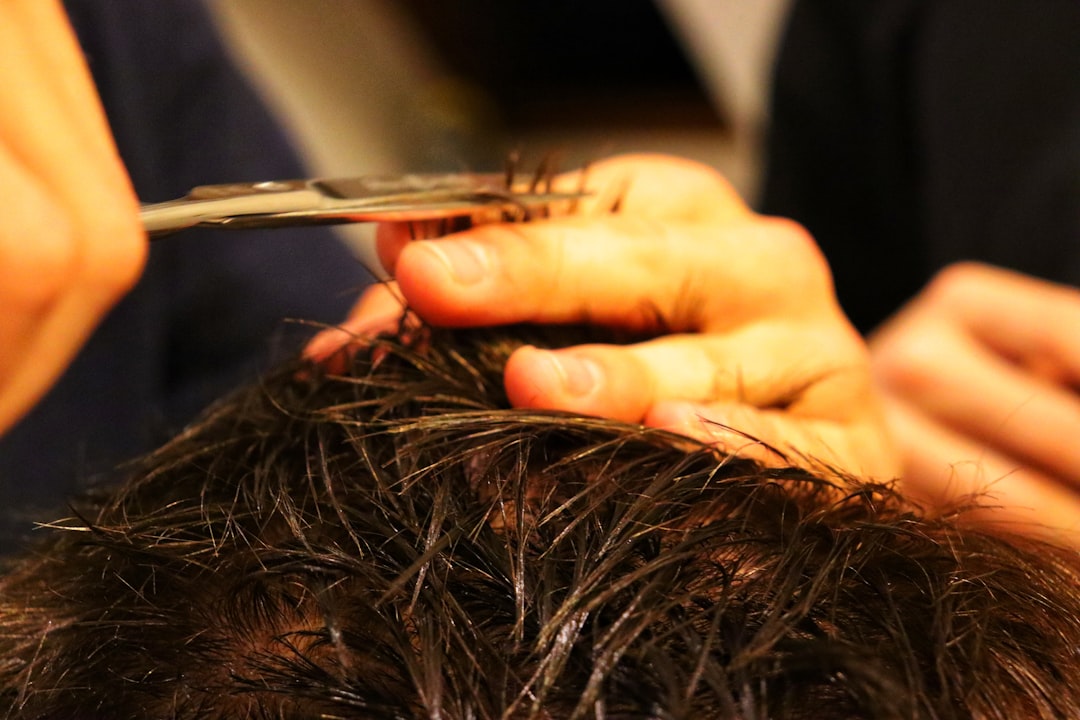
🚀 Getting Started with Your Hair Transformation Journey
The journey to your perfect hairstyle begins with exploration and experimentation. Hair simulation apps remove the fear and risk traditionally associated with changing your look, empowering you to make confident decisions.
Download a quality application and dedicate some time to thoroughly exploring your options. Treat it like a fun game rather than a high-stakes decision. The more you experiment, the more you’ll understand what elements appeal to you and why.
Pay attention to your emotional reactions to different styles. Which ones make you smile immediately? Which generate excitement about booking a salon appointment? These gut reactions often guide you toward looks that genuinely reflect your personality and aesthetic preferences.
Once you’ve identified your ideal style, save the image and take it to a reputable stylist. Communication is key—explain what specifically appeals to you about the style and ask professional advice about adapting it to your unique hair characteristics.
Your hair is one of the most noticeable aspects of your appearance and a powerful form of self-expression. With modern simulation technology, you can confidently experiment, make informed decisions, and step into the salon knowing exactly what you want. The perfect hairstyle is out there waiting for you to discover it—happy exploring! ✨
